
Psychische Erkrankungen sind weder eine Charakterfrage noch eine bewusste Entscheidung. Sie äußern sich körperlich – wenn die Glieder bleischwer wirken und der Lebensmitteleinkauf zur kaum bewältigbaren Aufgabe wird. Der Zustand lässt sich mit einem Akku vergleichen, der sich trotz Schlaf nicht mehr auflädt.
Es gibt praktische, alltagstaugliche Ansätze, die helfen können, wieder handlungsfähiger zu werden – jenseits von gut gemeinten Ratschlägen wie „Kopf hoch“.

Wenn der Körper ‚Stopp‘ sagt: Körperliche Anzeichen einer mentalen Krise
Viele glauben, eine Depression spiele sich nur im Kopf ab. Doch der Körper reagiert oft früher als die Sprache. Wenn Botenstoffe im Gehirn aus dem Gleichgewicht geraten, entstehen echte körperliche Beschwerden – etwa die sogenannte „bleierne Schwere“, bei der selbst das Aufstehen zur schweren Aufgabe wird. Das ist keine Einbildung, sondern eine Reaktion des erschöpften Nervensystems.
Fünf häufig übersehene Warnsignale:
- Lead-like arms and legs when moving
- Sudden loss of appetite or unusual cravings
- Persistent sleep disturbances, especially in the early morning hours
- Unerklärliche Rücken- oder Muskelschmerzen ohne körperliche Ursache
- Ein anhaltendes Druckgefühl auf der Brust
Burnout oder Depression? Den Unterschied erkennen
Erschöpfung durch Arbeit und eine klinische Depression werden häufig verwechselt. Ein Unterschied zeigt sich oft darin, wie weit die Antriebslosigkeit reicht. Beim Burnout kann ein Abstand vom Job Erleichterung bringen – der Urlaub fühlt sich wieder gut an. Bei einer Depression bleibt die Freudlosigkeit auch dort bestehen. Diesen Verlust jeglicher Freude nennt man Anhedonie und er gehört zu den typischen Depressionssymptomen. Unbehandelt kann ein Burnout in diesen Zustand übergehen.
Wenn selbst der Lieblingsort keine Entlastung bringt, reicht ein Tapetenwechsel nicht mehr aus. Der Grund liegt in der Funktionsweise des Gehirns – was erklärt, warum der Ratschlag „Reiß dich zusammen“ biologisch ins Leere läuft.
Neurotransmitter und Stimmung: Warum Willenskraft allein nicht reicht
Nervenzellen berühren sich nicht direkt – zwischen ihnen liegt ein kleiner Spalt. Um Signale wie Freude weiterzuleiten, nutzen sie Botenstoffe, sogenannte Neurotransmitter. Bei einer Depression funktioniert diese Übertragung nicht richtig: Entweder fehlen Botenstoffe, oder die Empfängerzellen reagieren nicht. Willenskraft ändert daran nichts.
Fehlen Botenstoffe wie Serotonin und Dopamin dauerhaft, helfen sanfte Maßnahmen wie Bewegung oder Sonnenlicht bei leichten Beschwerden manchmal weiter. Bei schwereren Verläufen stoßen diese Ansätze jedoch an Grenzen. Dann kann externe Unterstützung sinnvoll sein.
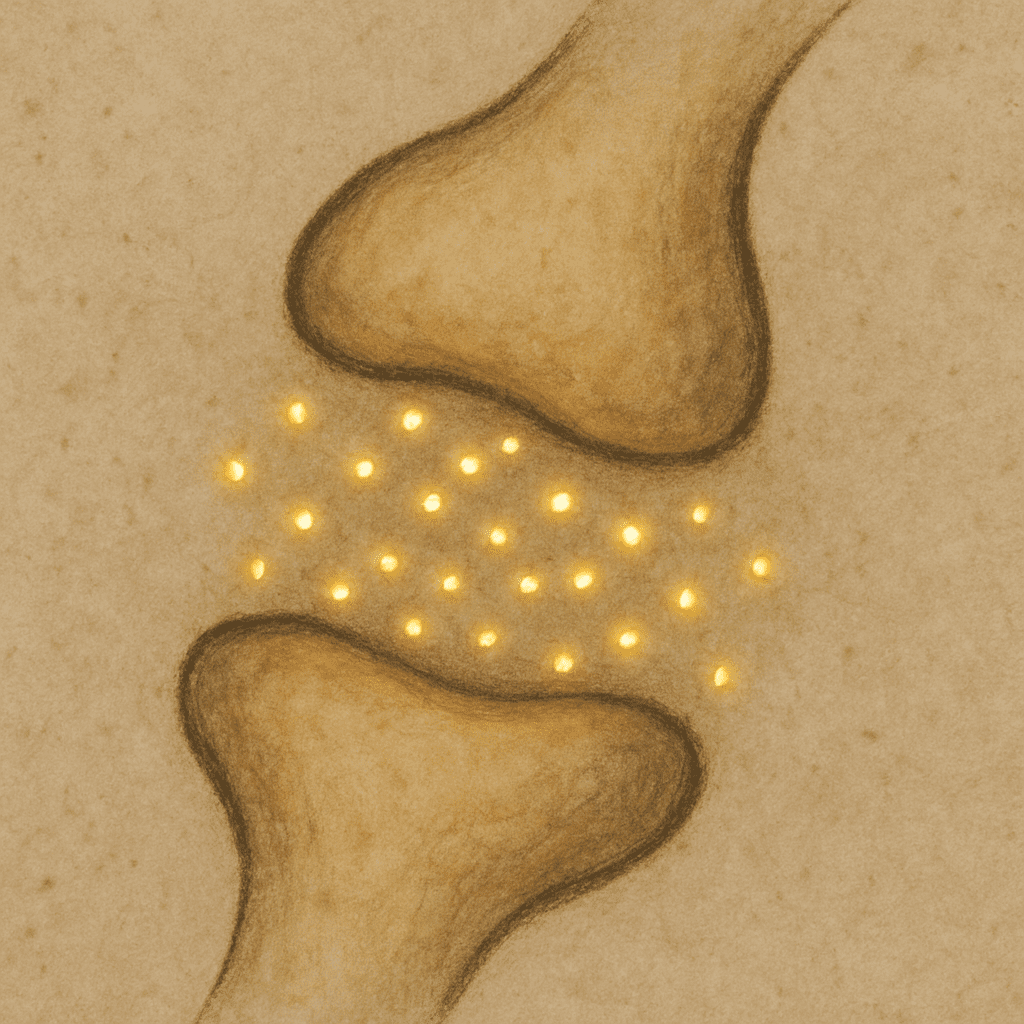
Antidepressants explained simply: Why medication isn't a ‚happy pill,‘ but repairs the pathways in your head
Medications for depression are not artificial „happy pills.“ They don't add euphoria to the brain, but merely optimize our blocked postal service. This is where so-called SSRIs (Selective Serotonin Reuptake Inhibitors) come into play. In a depressed brain, neurotransmitters are often recalled too early – as if postal workers were being sent home in the middle of their route. SSRIs block this premature recall. This gives serotonin more time in the synaptic cleft between nerve cells to successfully deliver its messages.
What's important is: these medical aids are not addictive and, unlike some sedatives, they don't change your personality. When you consider how antidepressants work, they serve more as a biological foundation. While they don't solve life's problems, they restore the basic energy you need to get up in the morning and allow for genuine healing in the first place.
Pills repair the logistical roads in the mind, but they don't drive the car. This is precisely the core of combining psychotherapy and medication: the medicine lays a secure foundation on which you can actively build. Once the physical drive returns, the actual path of small steps begins.
The Path of Small Steps: How Cognitive Behavioral Therapy Blazes New Trails Through the Mental Jungle
When it comes to treating depression, many imagine lying on a couch for hours, merely analyzing their childhood. But the reality is much more like an active workout. This is where Cognitive Behavioral Therapy comes in, forging new paths through the mental jungle. In a depressed brain, negative thought patterns – so-called cognitive distortions – are like deeply worn-out trodden paths that the mind chooses completely automatically.
At the core of the therapy is a fascinating cycle that significantly shapes our daily lives. The typical process of Cognitive Behavioral Therapy focuses precisely on making this destructive endless loop visible and breaking it:
- The thought: „My friend isn't calling back, he doesn't care about me at all.“
- The feeling: Intense sadness and a feeling of worthlessness are taking hold.
- The behavior: One completely isolates oneself and blocks future contact.
The goal of this method is by no means to artificially „think the best“ of bad situations or to lose yourself in prescribed positivity. It's simply about realistic thinking – perhaps your friend is just stressed. The more often you walk this new mental path, the easier the inner handbrake will release. This is how you pave the way to finally overcome the physical „lead mode.“.
Overcoming ‚Lead Mode‘: Practical Immediate Help Against Morning Lethargy in Everyday Life
Mornings often feel like trying to move underwater. With this leaden resistance, dealing with a lack of motivation in everyday life is incredibly difficult. The 5-minute rule helps here to trick the brain's internal stop signal. You commit to performing an action – such as sitting upright on the edge of the bed – for exactly five minutes. This minimal initial push is often enough to overcome the block, as your mind perceives the impending effort as manageable and limited.
Even when your feet touch the ground, the rest of the day often feels like an insurmountable mountain. Instead of surrendering to everyday duties, use „task chunking“ to break down overwhelming tasks into tiny bites. The goal isn't a perfectly clean kitchen, but simply one single washed coffee cup. Such realistic micro-goals relieve pressure, reduce toxic shame, and serve as highly effective exercises in building resilience.
Every small success noticeably gives you back control. Nevertheless, purely psychological work reaches its limits when the physical battery is empty. To permanently consolidate these mental milestones, it is crucial to use light, movement, and nutrition as essential pillars of healing.
Naturally Support Serotonin Levels: Why Light, Exercise, and Nutrition Are Important Pillars of Healing
If the neurotransmitters in your brain are like mail carriers stuck on blocked roads, physical habits can help clear the way. They can naturally regulate your serotonin levels without having to completely turn your life upside down. Our bodies use the simplest signals to get back in sync:
- Soaking up the morning light Just ten minutes of daylight immediately after waking up will reset your internal clock, known as the circadian rhythm, and signal to your brain that the day has begun.
- Eating building blocks Your body cannot conjure serotonin out of thin air. It needs tryptophan for this, a natural nutrient building block found in everyday foods like oatmeal, nuts, or bananas.
- Gentle movement Forget strenuous exercise or the gym. A short walk to the mailbox is more than enough to get your circulation going.
Such gentle adjustments serve as valuable measures for strengthening resilience because they noticeably give you back a piece of your everyday control. Nevertheless, your own energy is sometimes simply not enough to clear the dense fog of depression on your own. When these domestic strategies reach their limits, professional support is required.
Finding Help Without Obstacles: The Path to Professional Psychological Support and Inpatient Options
The first step out of the fog often feels like an insurmountable mountain. However, to find professional psychological help, a simple appointment with your family doctor is enough. This doctor acts as your guide, assesses your physical and mental symptoms, and issues a referral so you don't have to navigate the system alone.
Once you've overcome this hurdle, there are usually two paths open. The primary difference between inpatient vs. outpatient therapy is the intensity. In outpatient treatment, you practice new ways of thinking weekly and return directly to your daily life. In contrast, an inpatient clinic offers a protective bubble when your home environment is too draining and you need a constant support network.
However, sometimes inner pain cannot wait. If you need immediate help with suicidal thoughts, psychiatric crisis services or the emergency number 112 are immediately reachable lifelines. Often, it is our loved ones who intervene protectively in these dark hours.

Family as an Anchor: How to Support Those Affected Without Sacrificing Your Own Resilience
When a loved one is stuck in a fog, the first instinct is often to want to „save“ them immediately. However, the best support for relatives of those affected begins with the realization: you are a companion on the journey, not the person who has to clear the jungle. Active listening helps more here than any well-intentioned advice. Avoid pressure and instead focus on validation:
- Instead of „Just laugh again,“ say: „I'm here and listening to you.“
- Instead of „Others have it worse,“ say: „Your pain is absolutely real.“
- Instead of „Pull yourself together,“ ask, „What do you need from me today?“
To remain a stable anchor, however, you must not go down with the ship yourself. Maintaining your own hobbies and an intact social life is not selfishness. Protecting your own boundaries is one of the most important self-care practices in everyday life. Only with a full inner battery can you provide reliable support in the long term.
Your Roadmap to Recovery: Why Patience Is the Most Important Part of Your Healing Process
You don't have to see this dense fog as a personal failure any longer. Successfully treating depression rarely means finding a miracle cure that instantly brings endless sunshine. Instead, it's about gradually improving your ability to function day-to-day and rediscovering genuine joy in life. Recovery is never a straight line. Even as your overall mental climate brightens, there will still be rainy days – and that's completely normal.
To move forward, you can make three small commitments to yourself today: Acknowledge your struggle and accept that your exhaustion is real and deserves compassion. Next, reach out to a professional, such as your primary care physician, to plan a safe path forward. Finally, complete one tiny micro-task—like stepping outside for a brief moment or doing a simple breathing exercise. You've already taken the brave step of understanding the storm—now you also have the tools to navigate it safely.
