
Gesunder Knorpel funktioniert wie ein Stoßdämpfer: Er verhindert, dass Knochen aneinanderreiben. Wird er dünner, entsteht Reibung – und damit Schmerz. Maßnahmen gegen Gelenkverschleiß setzen genau hier an: den verbliebenen Knorpel schützen und das Gelenk beweglich halten.
Dabei lohnt es sich, zwischen Arthritis und Arthrose zu unterscheiden. Arthritis ist eine – oft autoimmunbedingte – Entzündung, Arthrose ein mechanischer Abnutzungsprozess. Ein abgenutztes Gelenk braucht keine strikte Schonung, sondern sanfte, regelmäßige Bewegung, die den Knorpel mit Nährstoffen versorgt.

Anlaufschmerzen und Stadien der Gelenkabnutzung
Steife erste Schritte nach dem Aufstehen, die nach ein paar Minuten nachlassen – das ist ein typisches Frühzeichen. Zeigt der Knorpel erste Verschleißspuren, sendet der Körper dieses Signal.
Eine wichtige Rolle spielt dabei die Gelenkflüssigkeit (Synovialflüssigkeit). Sie sorgt nicht nur für reibungsloses Gleiten, sondern transportiert auch Nährstoffe in den Knorpel. Fehlt sie dauerhaft, versucht der Körper das Gelenk durch knöcherne Auswüchse (Osteophyten) zu stabilisieren – was die Reibung aber eher verstärkt.
Mediziner teilen den Verschleiß in vier Phasen ein:
- Stadium 1: The cartilage surface is slightly roughened but intact. Complaints are usually completely absent.
- Stadium 2: Das Knorpelpolster wird dünner. Erste Anlaufschmerzen oder ein Ziehen nach ungewohnter Belastung treten auf.
- Stadium 3: Tiefe Risse durchziehen den Knorpel. Der Gelenkspalt wird enger, Osteophyten bilden sich.
- Stadium 4: Der Knorpel ist stellenweise vollständig abgenutzt. Es kommt zum direkten Knochen-auf-Knochen-Kontakt und spürbarer Versteifung.
Der Knorpel braucht einen regelmäßigen Wechsel aus Druck und Entlastung, um Nährstoffe aufzunehmen. Dieser Mechanismus lässt sich durch Bewegung gezielt unterstützen.
Warum Schonung bei Arthrose oft schadet
Viele Betroffene schonen ein schmerzendes Gelenk – und erreichen damit oft das Gegenteil. Zu wenig Bewegung lässt die Gelenke versteifen. Sanfte, regelmäßige Bewegung hingegen lindert Beschwerden und erleichtert den Alltag.
Knorpelgewebe hat keine eigene Blutversorgung. Es ernährt sich durch den Wechsel von Druck und Entlastung beim Bewegen: Beim Auftreten wird der Knorpel ausgepresst, beim Entlasten saugt er frische Gelenkflüssigkeit auf. Ohne diesen Mechanismus wird das Gewebe spröde.
Bewegung stärkt außerdem die Muskulatur. Kräftige Muskeln rund um ein Gelenk federn Belastungen ab und entlasten den Knorpel spürbar.
Empfohlen werden vor allem Aktivitäten ohne abrupte Stöße:
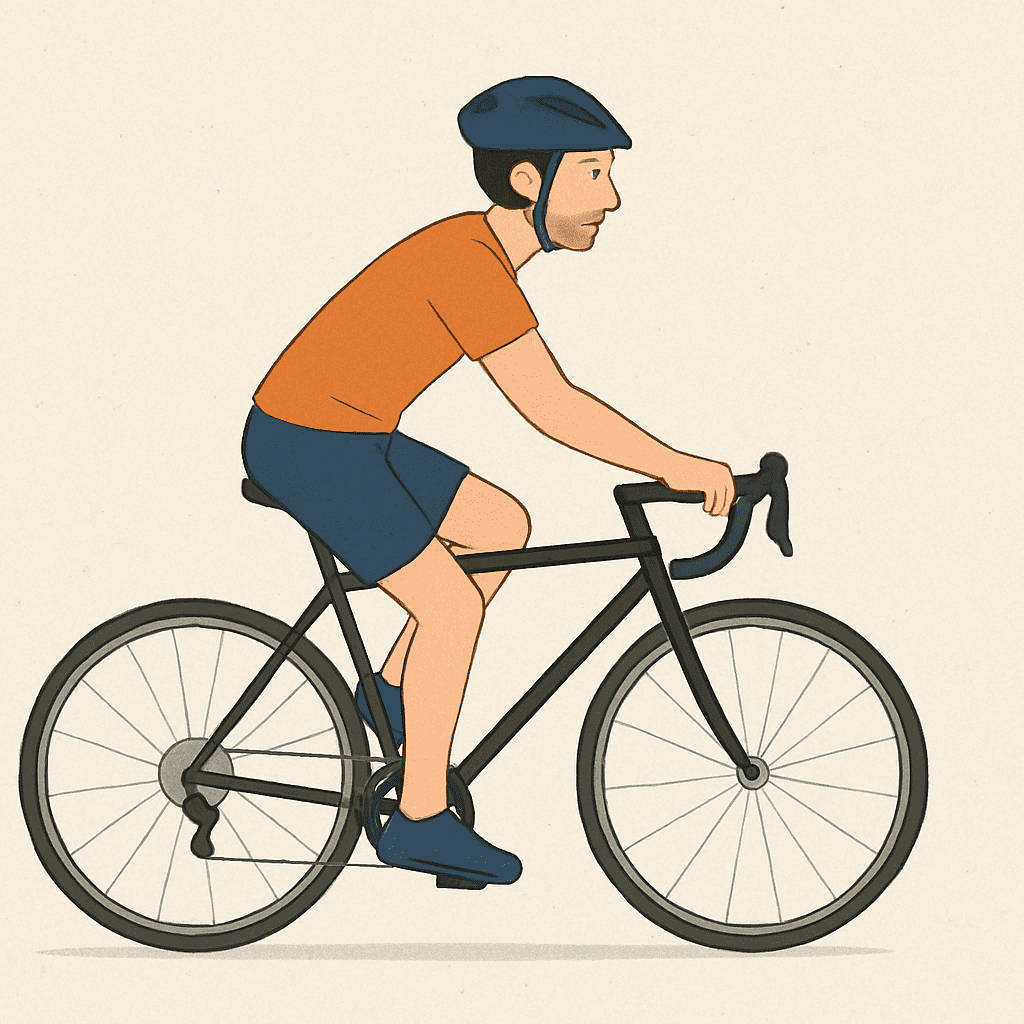
- Cycling Entlastet das Gelenk, während die Beine sanft rotieren.
- Swimming Das Wasser trägt das Körpergewicht und entlastet Wirbelsäule und Beine.
- Water aerobics Nutzt den Wasserwiderstand für sicheren Muskelaufbau.
- Nordic Walking Verteilt die Belastung über Stöcke auf Arme und Oberkörper.
- Tai Chi or Yoga: Fördern Beweglichkeit und Gleichgewicht durch ruhige Abläufe.
Neben Bewegung lässt sich die Qualität der Gelenkflüssigkeit auch über die Ernährung beeinflussen.
Ernährung bei Arthrose: Was hilft, was schadet
Bei Arthrose geht es in der Ernährung nicht ums Kalorienzählen, sondern darum, Entzündungen nicht zusätzlich zu fördern. Tierische Fette – vor allem aus Schweinefleisch und Wurst – enthalten Arachidonsäure, die entzündliche Prozesse im Gelenk begünstigen kann. Wer diese Lebensmittel reduziert, nimmt dem Schmerz einen Teil seiner Grundlage.
Hilfreiche Alternativen beim Einkauf:
- Instead of fatty pork: Lachs oder Makrele – reich an Omega-3-Fettsäuren, die entzündliche Prozesse dämpfen können.
- Instead of sunflower oil: Oliven- oder Leinöl.
- Instead of white bread and sugar: Gemüse, Beeren und Vollkornprodukte mit Antioxidantien.
Viele Betroffene fragen auch nach Nahrungsergänzungsmitteln wie Glucosamin und Chondroitin – natürlichen Bestandteilen des Knorpels. Sie lassen abgenutzten Knorpel nicht neu wachsen, können aber bei manchen Menschen Morgensteifigkeit lindern.
Auch mit guter Ernährung und Bewegung gibt es Phasen, in denen Gelenke stark schmerzen. Dann sind gezieltere Maßnahmen sinnvoll.
Hausmittel und medizinische Hilfe: Von Quarkwickeln bis Hyaluronsäure
Wenn ein Gelenk pocht, sich überwärmt anfühlt und bei jedem Schritt schmerzt, helfen einfache Maßnahmen oft als erstes. Die Grundregel: Kälte bei akuten Schwellungen, Wärme bei steifen, aber nicht entzündeten Gelenken.
Erste-Hilfe-Routine bei einem akuten Schub:
- Entlasten: Nehmen Sie das Gewicht vom betroffenen Gelenk.
- Cooling Ein in ein Tuch gewickeltes Kühlpad für etwa 15 Minuten auflegen.
- Quarkwickel: Kühlen Speisequark fingerdick auf ein Baumwolltuch streichen und um das Gelenk wickeln. Er zieht Wärme aus dem Gewebe und kann die Schwellung lindern.
Reichen diese Maßnahmen nicht mehr aus, kommt ärztliche Unterstützung in Betracht. Bei fortgeschrittener Arthrose wird die Gelenkflüssigkeit oft dünner und verliert ihre Schutzwirkung.
Eine Möglichkeit sind Hyaluronsäure-Injektionen in den Gelenkspalt. Sie sollen als Puffer wirken und die Bewegung wieder erleichtern. Viele Patienten berichten über Linderung für mehrere Monate. Mögliche Nebenwirkungen sind ein kurzzeitiges Druckgefühl oder leichte Rötung an der Einstichstelle.
Wenn trotz all dieser Maßnahmen die Schmerzen den Alltag bestimmen, lohnt es sich, weitere Optionen mit dem Arzt zu besprechen.
Wann ist ein künstliches Gelenk sinnvoll?
Die Entscheidung für oder gegen eine Operation hängt weniger vom Röntgenbild ab als von der tatsächlichen Lebensqualität. Wenn Schmerzen den Schlaf stören oder kurze Wege zur Qual werden und konservative Maßnahmen nicht mehr helfen, ist das oft der Punkt, an dem Ärzte einen Eingriff empfehlen.
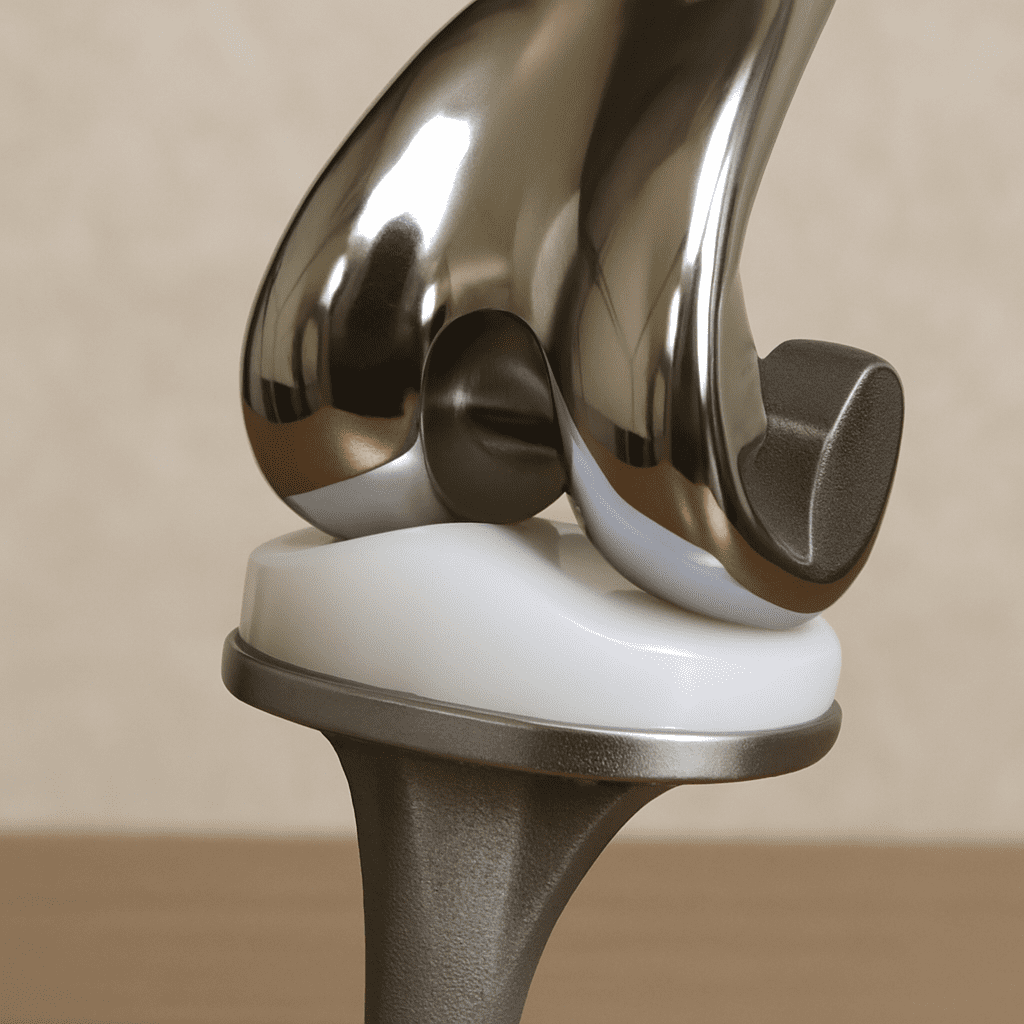
In den meisten Fällen bedeutet das den Einsatz einer Totalendoprothese (TEP): Die aufgerauten Knochenenden werden mit Metall- und Kunststoffelementen überkront, die die Funktion des abgenutzten Knorpels übernehmen.
The answer to the personal consideration of when an artificial joint makes sense always remains individual. Successful rehabilitation initially requires patience and targeted training to get the muscles accustomed to the new component. However, medical experience shows that most patients can walk without pain or work in the garden again after the healing phase.
Your roadmap for pain-free days: How to implement the tips sustainably
The diagnosis of osteoarthritis is not a reason for permanent rest, but rather the starting signal for your own active health management. Start at your own pace: incorporate a gentle, 20-minute walk into your day and pay attention to a cartilage-friendly diet rich in omega-3 fatty acids and antioxidants. If you feel unsure about the right amount of exercise, accompanying physiotherapy offers the ideal framework for safely learning joint-friendly movements.
Your joints respond positively to targeted care. Every time you move gently, you support the nutrient supply to your cartilage and actively contribute to maintaining your mobility. Use these tools of movement, relief, and nutrition to best support your joint health and create more pain-free freedom in your daily life.
