
Have you ever caught yourself stopping in front of a store window, not because of the interesting display, but because your calves suddenly cramped severely? Many people play down a stabbing pain when walking in exactly this way, mistakenly attributing the discomfort to a normal sign of aging. This everyday behavior has given the phenomenon its well-known, popular name: window shopping disease.
However, according to medical professional societies, these pains are not caused by a harmless muscle problem but by what is known as peripheral arterial disease (PAD). If we want to detect such circulatory disorders in the legs, a simple comparison to a garden hose can help. If „lime“ (calcium) accumulates on the inner walls of our blood vessels over the years, a dangerous narrowing occurs, through which insufficient oxygen can simply flow into the leg muscles during movement.
Unfortunately, such vascular changes are almost never confined to one body region, which is why symptoms typical of intermittent claudication always serve as a serious warning shot for the entire cardiovascular system. If we take this early alarm signal seriously, we can counteract it in time together to prevent heart attacks and, above all, to preserve your most important asset in everyday life: your pain-free mobility.
The ‚Calcium Problem‘: How Narrowed Arteries Slow Blood Flow
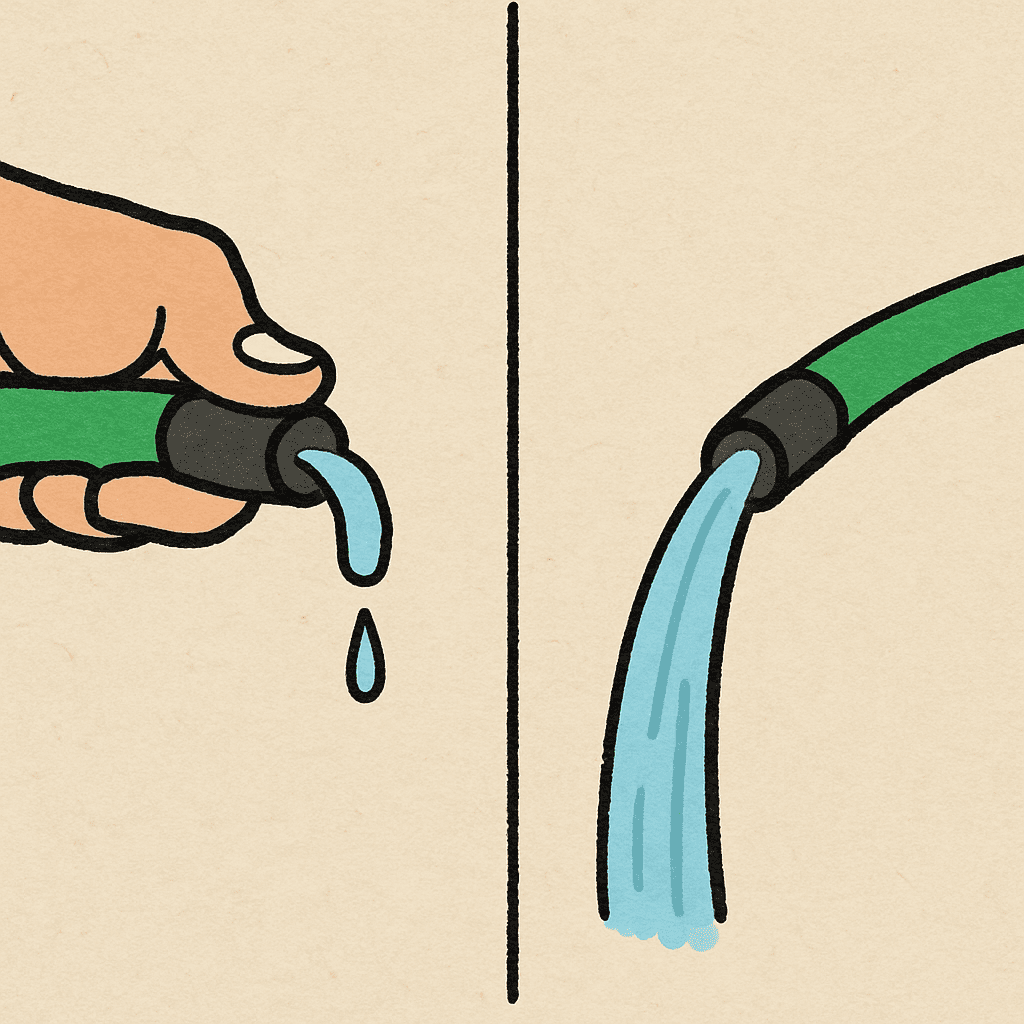
Imagine you are watering flowers, and someone gently pinches the garden hose, causing the water to only trickle out. This very principle causes the agonizing pain of circulatory problems in the legs. Our calf muscles urgently need oxygen-rich blood from the arteries with every step, but when the flow is blocked like a kinked hose, they immediately react with severe spasms.
Arteriosclerosis (hardening of the arteries) is responsible for this bottleneck. Similar to how old water pipes in a house accumulate limescale over the years, hard deposits, known as plaques, build up in our arteries. These progressively narrow the blood vessels, leading to peripheral artery disease. When we discuss the causes and prevention of smoker's leg in practice, the core of the problem is always this oxygen deficiency caused by the calcified layers.
This phenomenon rarely affects only the legs, as the vascular system of our entire body is interconnected and often directly reflects the health of the coronary arteries.
Calf pain when walking? How to recognize the typical warning signs
Many confuse a muscle strain with actual vascular problems. To the true Calf pain when walking cause To find out, the nature of the pain is important: Muscle soreness is a constant pain, while the so-called exertional pain of pAVK only occurs during movement. If you are happy Circulation problems in the legs: how to recognize them will, must also the Difference between thrombosis and peripheral artery disease (PAD) A blood clot (thrombosis) requires immediate action and often presents as sudden swelling, redness, and warmth in a single leg – even while sitting.
What does the warning sign of claudication feel like in everyday life? Do this simple short check:
- Appearance A cramping sensation occurs after a very specific walking distance.
- Relief The pain reliably disappears after one to two minutes of rest.
- Repetition: If you continue after that, the painful cycle starts all over again.
If the narrowing of the arteries progresses, the feared rest pain develops. This usually wakes you up at night because blood has a harder time reaching your feet when you're lying down. Sufferers then unconsciously use the „gravity trick“: they let their legs hang out of the bed so that the blood flows downwards more easily and brings relief.
The Fontaine Classification: What stage are your blood vessels in?
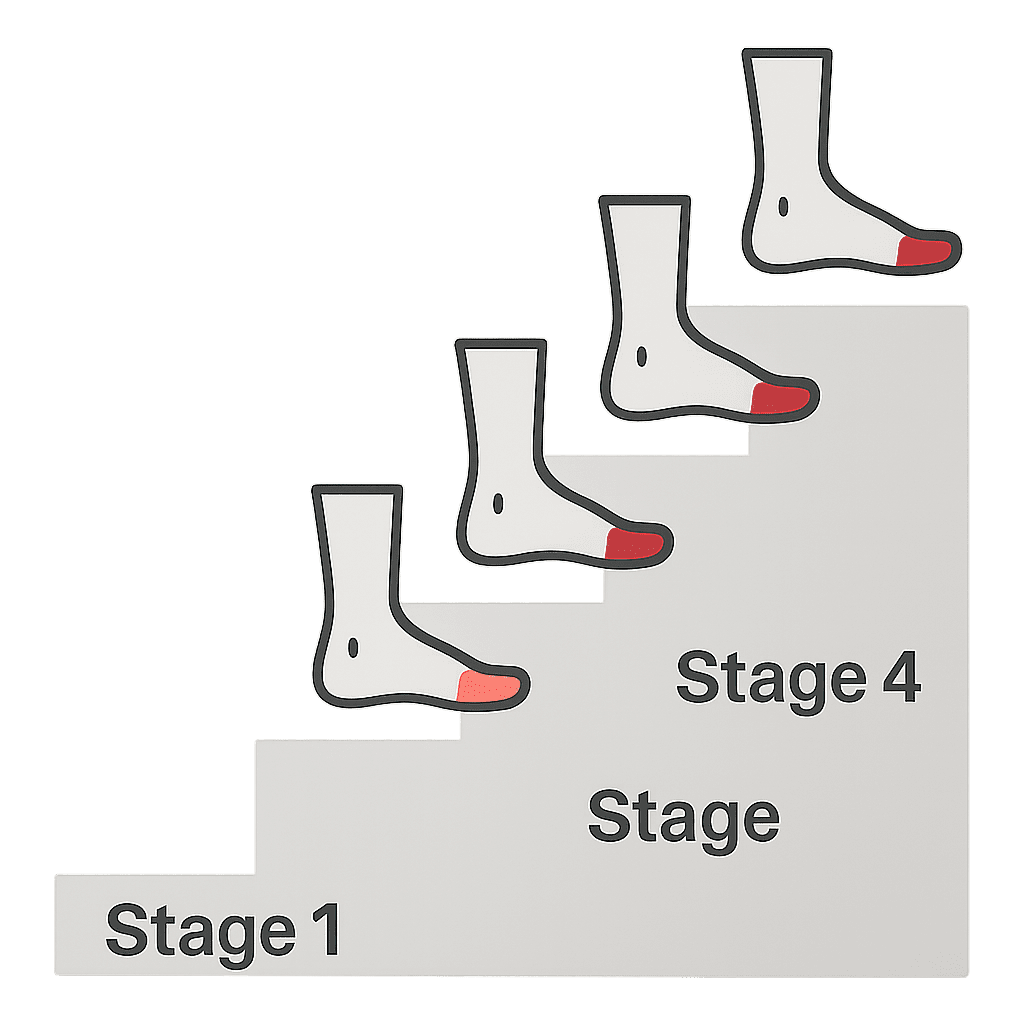
To correctly classify your symptoms, doctors use the Fontaine staging system. Think of it like a highway: in the first stage, only one lane is narrowed, and blood flow continues unnoticed. Only in the second stage does stop-and-go traffic occur, which manifests as the classic "window shopper's disease" (medically: intermittent claudication) and forces you to stop repeatedly due to lack of oxygen.
It becomes really dangerous when the sluggish traffic flow turns into a complete road closure. While stage three already causes nocturnal pain, stage four is at absolute alarm level. The tissue is completely cut off from oxygen and dies (necrosis). This condition requires immediate treatment of the open wound to prevent serious consequences such as amputations.
The sooner this congestion in the legs is detected, the easier it is to prevent permanent tissue damage. To do this, medicine uses a quick and completely painless standard examination that provides immediate clarity.
The Ankle-Brachial Index (ABI): How Your Doctor Measures Your Blood Flow
Often, simply palpating the pulse in the foot is not enough to reliably detect blockages. The gold standard for immediate clarity is the ankle-brachial index (ABI). The ABI Value Measurement Procedure is completely painless and only takes about 15 minutes. The doctor will attach blood pressure cuffs to your arms and ankles. Using a special ultrasound magnifying glass, known as a Doppler probe, they will make the blood flow audible and compare the blood pressure readings between the top and bottom.
Since blood circulates evenly throughout a healthy body, the pressure in the legs and arms should be nearly identical. If the value measurably drops at the ankle, „calcification“ is blocking the pathways. This serves as a reference Ankle-Brachial Index Normal Values Table:
- 0.9 to 1.3 Healthy – the blood flows unimpeded.
- 0.5 to 0.89: Mild to moderate intermittent claudication.
- Under 0.5 Severe circulatory disorder – immediate action required.
If your test result shows striking deviations, a Vascular specialist plan further steps with you. Fortunately, a low value does not automatically mean a trip to the operating room. Often, the most important building block now is targeted movement therapy to build the body's own detours for the blood drainage system.
Walking training instead of surgery: How to double your walking distance
It might sound contradictory: Precisely when walking hurts, movement is the best medicine. When The training or surgery comparison In the early stages of peripheral artery disease, targeted exercise often proves beneficial. The reason for this is fascinating: when the main route for blood flow is blocked, akin to a traffic jam, the lack of oxygen forces the body to develop small detours. These natural bypasses (collaterals) gradually take over the blood supply – like a biological bypass, entirely without a scalpel.
However, a leisurely stroll is not enough to achieve this effect. A structured Vascular Exercise Instructions is crucial. Start your daily Leg training for vascular stenosis super easy with this 4-step plan for home:
- Step 1: Walk briskly until a mild calf ache begins (do not push to the unbearable maximum!).
- Step 2: Stop immediately until the painful pulling sensation has completely disappeared.
- Step 3: Start again the moment you are pain-free.
- Step 4: Repeat this stop-and-go routine daily for about 30 to 45 minutes.
Patience is your most important companion here, as the formation of new blood vessels often takes a few months. Many affected individuals double their pain-free walking distance as a result. However, sometimes nature reaches its limits despite ironclad training. In these cases, medical interventions become necessary.
Stent or bypass? When medical interventions become necessary
Sometimes the body's own self-repair process is no longer sufficient. When pain occurs even at rest, movement loses its value. The training or surgery comparison against medical interventions. Doctors then often use the keyhole method (angioplasty): a small balloon is gently inserted into the vessel to simply press the blocking „alk“ flat against the wall.
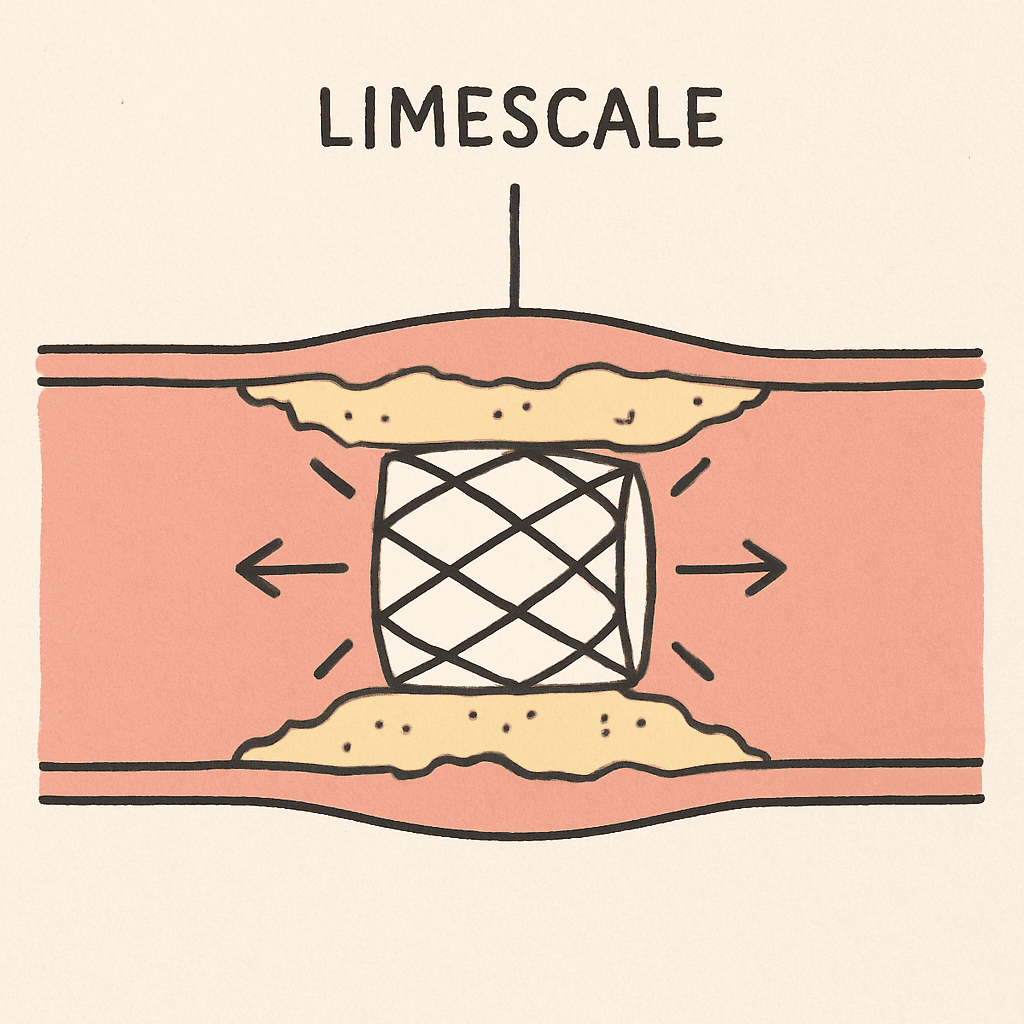
To prevent this newly opened vessel from collapsing again immediately, a permanent vascular prosthesis is often placed. Minimally invasive stent implantation leg acts like a tiny, stable wire mesh that expands internally and reliably keeps the way open for blood.
For extremely long, stubborn blockages, surgeons, on the other hand, choose the Bypass surgery. In this process, they build a large-scale bypass around the blocked area, comparable to a completely new highway route. Although both methods repair the acute blockage, they do not stop the underlying calcification. Long-term vascular protection, on the other hand, begins in everyday life.
Quitting Smoking and Diet: Tackling Vascular Occlusion at the Root
Even the best stent is of little use if everyday risk factors persist. Every cigarette draw triggers a so-called vasoconstriction – an immediate, spasmodic narrowing of the already constricted blood vessels. This constant stress makes quitting nicotine the most important measure for Smoker's leg causes prevention.
In parallel, the light Mediterranean cuisine keeps your arteries supple and prevents new calcifications. Popular Promote blood circulation home remedies How garlic naturally supports blood flow. Rely on these Nutrition for Atherosclerosis: Tips for your next shopping cart:
- Cold-pressed olive oil (protects blood vessel walls)
- Salmon or mackerel (reduce inflammation)
- Unsalted walnuts (provide valuable fats)
- Fresh garlic (mildly blood-thinning)
- Dark berries (offer natural cell protection)
With these conscious decisions at the dining table, you lay the foundation for permanently clear arteries and greater mobility.
Your Path Back to More Mobility: A Concrete Roadmap Against PAD
You no longer have to wonder why your legs cramp while walking. Peripheral arterial disease is a well-treatable condition where you yourself can do a lot to improve your circulation. Effective PAD treatment is not just a medical task; it's primarily about actively promoting your own vascular health daily.
Start your journey to more mobility this week with three simple steps:
- Schedule a follow-up appointment Ask your doctor to measure the blood pressure in your legs (ankle-brachial index).
- Capture your starting value: Note down exactly how many minutes you can walk pain-free to make later progress visible.
- Go daily Continue until you feel mild discomfort, pause to recover, and repeat the process to train your blood vessels.
A diagnosis doesn't mean you have to give up your independence. By actively caring for your vascular health, you're investing in your future. Every step you take today helps you continue to work in the garden, walk with your family, and enjoy life – without any involuntary stops in front of the next shop window.
