A stroke can change a person's life from one second to the next. It often strikes people completely unprepared – during breakfast, at work, or even while sleeping. In medicine, a key principle applies in such moments: „Time is brain.“ Every minute that passes before treatment can significantly impact the patient's future, quality of life, and, in the worst case, their survival.
In this comprehensive guide, you will not only learn how a Stroke is not only created, but also how to react correctly in a serious situation, which risk factors you should be aware of, and what the path back to a normal everyday life can look like.
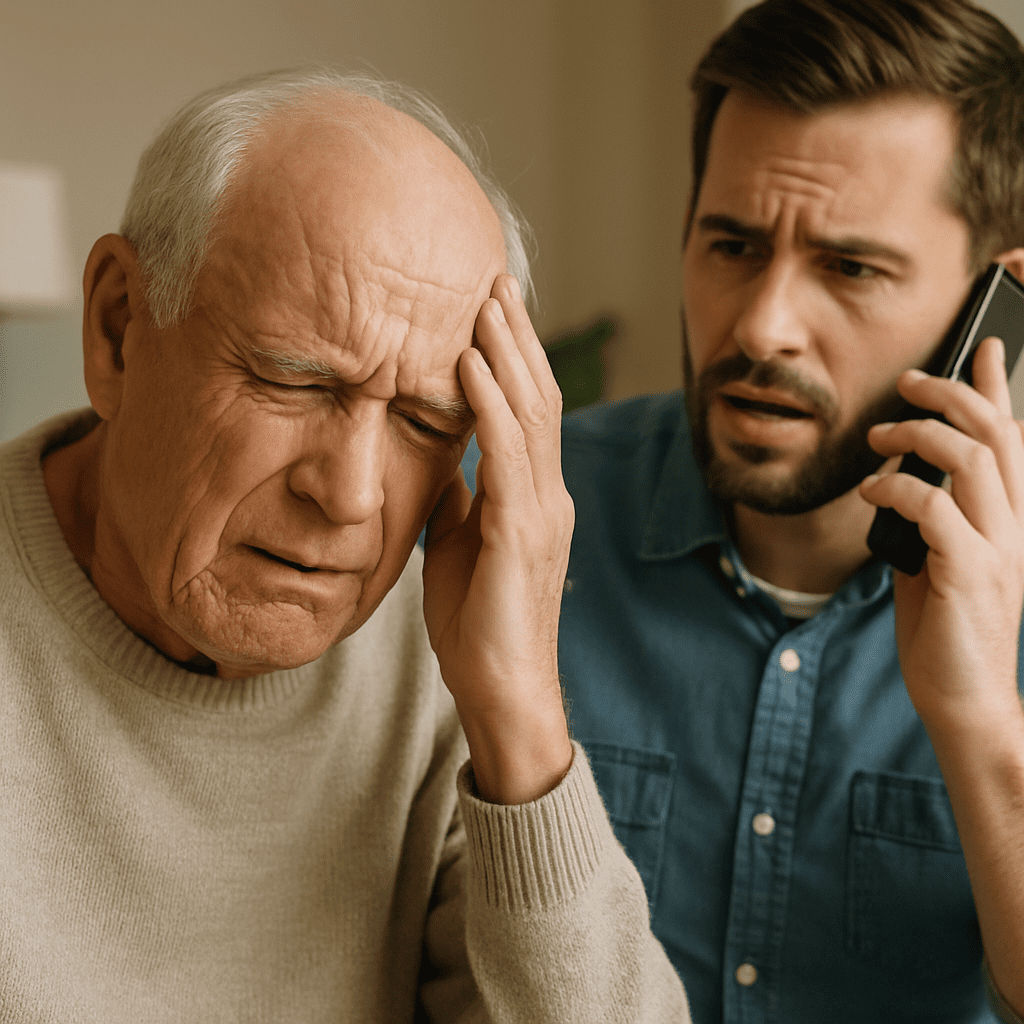
A stroke occurs when blood flow to a part of the brain is interrupted or reduced, preventing brain tissue from getting oxygen and nutrients. Brain cells begin to die within minutes.
To understand the urgency of the situation, one must know what is going on in the affected person's mind. The human brain is a high-performance organ. Although it accounts for only about two percent of our body weight, it consumes around 20 percent of our oxygen. If this supply is interrupted, brain cells begin to die after just a few minutes.
The difference between ischemia and cerebral hemorrhage
The word „stroke“ is often used as a general term. Medically speaking, however, there are two completely different main causes. The Difference between ischemia and cerebral hemorrhage Knowing this is essential for subsequent medical treatment:
- Ischemia (Stroke): With around 80 to 85 percent, ischemic stroke is the most common form. In this case, a blood clot (thrombus) blocks a blood vessel in the brain. Blood flow is stopped.
- Brain bleed (Hemorrhagic stroke): In this form, a weakened blood vessel in the brain ruptures. Blood leaks into the delicate brain tissue, increasing pressure inside the skull and damaging cells.
The Consequences of reduced blood flow in the brain are serious in both cases unless immediate action is taken. A lack of oxygen leads to irreversible cell death, which is why swift action is of the utmost importance.
The Warning Sign: TIA
An important warning sign that is often ignored is the so-called TIA. But How to recognize a transient ischemic attack? A TIA is essentially a mini-stroke. The symptoms appear suddenly but usually disappear within 24 hours, often within just a few minutes. The danger lies in the fact that many people dismiss the episode as a „circulatory problem.“ Yet a TIA is an acute medical emergency and a major warning sign of an impending major stroke.
How to recognize the seriousness of the situation
Timely recognition of warning signs saves lives. Typical stroke symptoms can vary greatly depending on the affected area of the brain, but almost always occur suddenly.
Recognizing and Applying the FAST Test
Internationally, a simple test has proven effective, which even medical laypeople can easily use in stressful situations. If you learn to FAST-Test: Recognizing Symptoms If you know how to do this, you can save a life in an emergency:
- F – Face: Ask the person to smile. Is one corner of their mouth drooping? Facial paralysis on one side is a strong warning sign.
- A – Arms: Ask the person to extend both arms forward and turn their palms upward. Does one arm drop or turn inward?
- S – Speech: Have the person repeat a simple sentence. Does the voice sound slurred, garbled, or does the person have trouble finding the right words?
- T – Time: If even one of these symptoms applies, don't hesitate for a second. Call emergency services (112 in Europe) immediately.
In that moment of shock, many family members ask themselves: What to do in case of sudden one-sided paralysis? The answer is always the same: Don’t try any home remedies, don’t wait to see if it „gets better on its own“—call emergency services immediately.

The Emergency: First Aid and Clinical Care
The time until the paramedics arrive can seem agonizingly long. The correct First aid for suspected stroke The first step is to remain calm, position the person comfortably with their upper body slightly elevated, and loosen any tight clothing (such as ties or tight collars). Under no circumstances should you allow the person to eat or drink, as their swallowing reflexes may be impaired and there is an acute risk of choking.
In the best hands: The Clinic
As soon as the emergency medical team arrives, the structured chain of care begins. Once at the hospital, the patient is taken directly for a computed tomography (CT) or magnetic resonance imaging (MRI) scan to determine whether the issue is a blood clot or a hemorrhage.
Today, it is standard practice to treat patients in a specialized department. The Treatment options in a specialized stroke unit (Stroke Unit) are immense. Neurologists, cardiologists, nurses, and therapists work hand in hand there. Vital signs are monitored around the clock. If there is a clot, a so-called thrombolysis (medication-induced dissolution of the clot) or a thrombectomy (mechanical removal using a catheter) can be performed.
Causes and Prevention: Reducing Your Own Risk
Why does it affect some people and not others? The Risk factors for a cerebral stroke are diverse. Some, like age or a genetic predisposition, cannot be changed. However, we have most of the risk factors in our own hands.
The role of the heart and blood vessels
An often underestimated factor is the heart. Often, an unnoticed Atrial fibrillation as a cause of embolisms identified. In this heart rhythm disorder, the upper chamber of the heart no longer contracts properly. Blood pools, clumps, and forms clots that can be carried with the bloodstream to the brain.
Additionally, the condition of the blood vessels plays a central role. If you Prevent neurological deficits by arteriosclerosis To do this, you must keep your blood vessels elastic and free of plaque. High blood pressure, diabetes, severe obesity, smoking, and high cholesterol levels are the biggest enemies of healthy blood vessels.
The Influence of Lifestyle and Diet
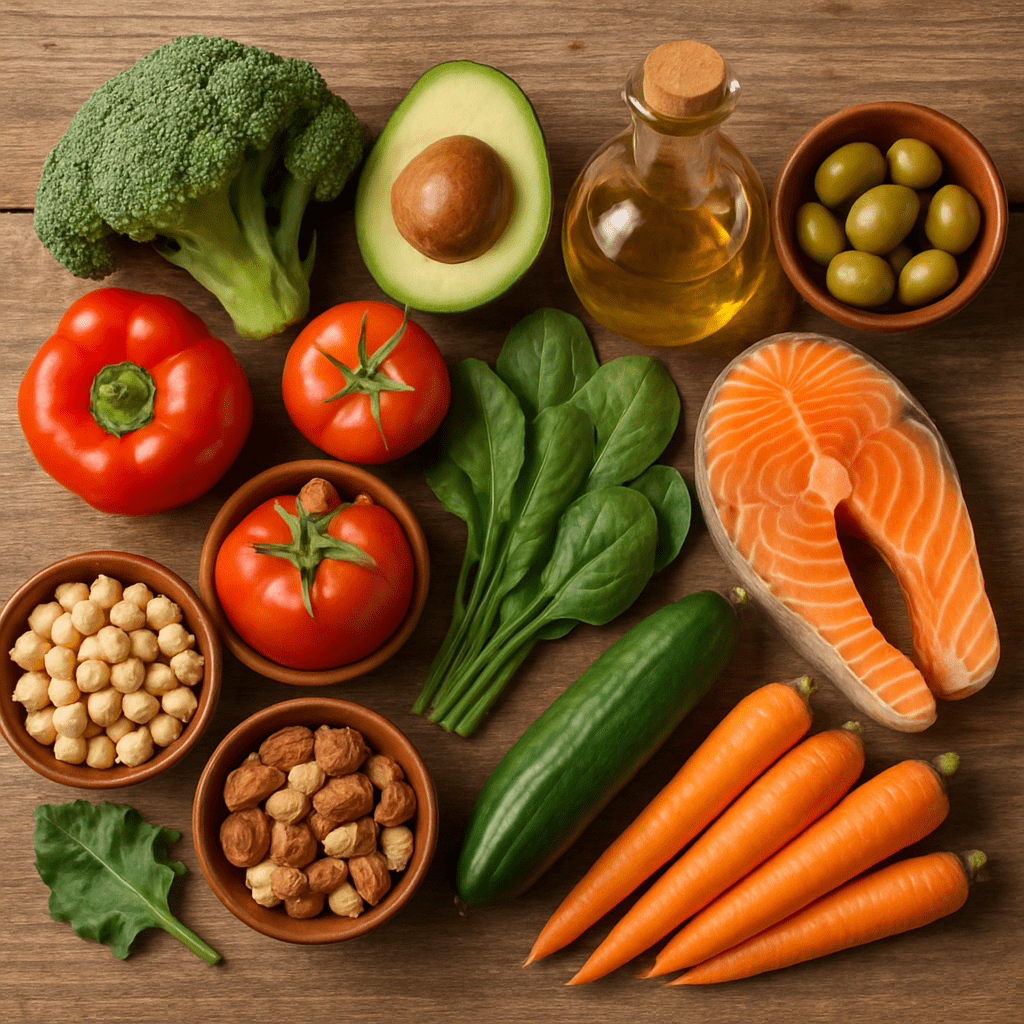
Prevention starts on your plate and in your daily life. A healthy diet to lower blood pressure is a powerful shield. Mediterranean cuisine serves as a model here:
- Plenty of fresh vegetables, fruit, and legumes.
- Healthy fats from olive oil, nuts, and fatty fish (omega-3 fatty acids).
- Reduce salt intake, as it can raise blood pressure.
- Avoiding highly processed foods and excessive sugar consumption.
Medications are often used in preventive medicine. Doctors frequently prescribe Blood thinners to prevent complications or to prevent a first episode of atrial fibrillation. These medications (anticoagulants or antiplatelet agents) prevent the blood from clotting too quickly.
Excursion: Can animals also be affected?
Interestingly, this condition is not limited to humans. A stroke in dogs Although it is less common in cats than in humans, it is still possible. In pets, the condition often manifests as a sudden tilt of the head, rapid, uncontrolled eye movements (nystagmus), loss of balance, or staggering. The same rule applies here: Go to the vet immediately! In animals, however, this is often a case of what’s known as vestibular syndrome, a disorder of the vestibular system that presents similar symptoms but usually has a much better prognosis.
The Road to Recovery: Rehabilitation and Care
Once a patient has survived the acute phase, a new—and often challenging—chapter begins. Fortunately, the human brain possesses a property known as neuroplasticity. This means that, through intensive training, healthy areas of the brain can partially take over the functions of the dead cells.
The Rehabilitation following a stroke (the medical term) should begin as early as possible, ideally while the patient is still in the stroke unit.
Personalized therapies
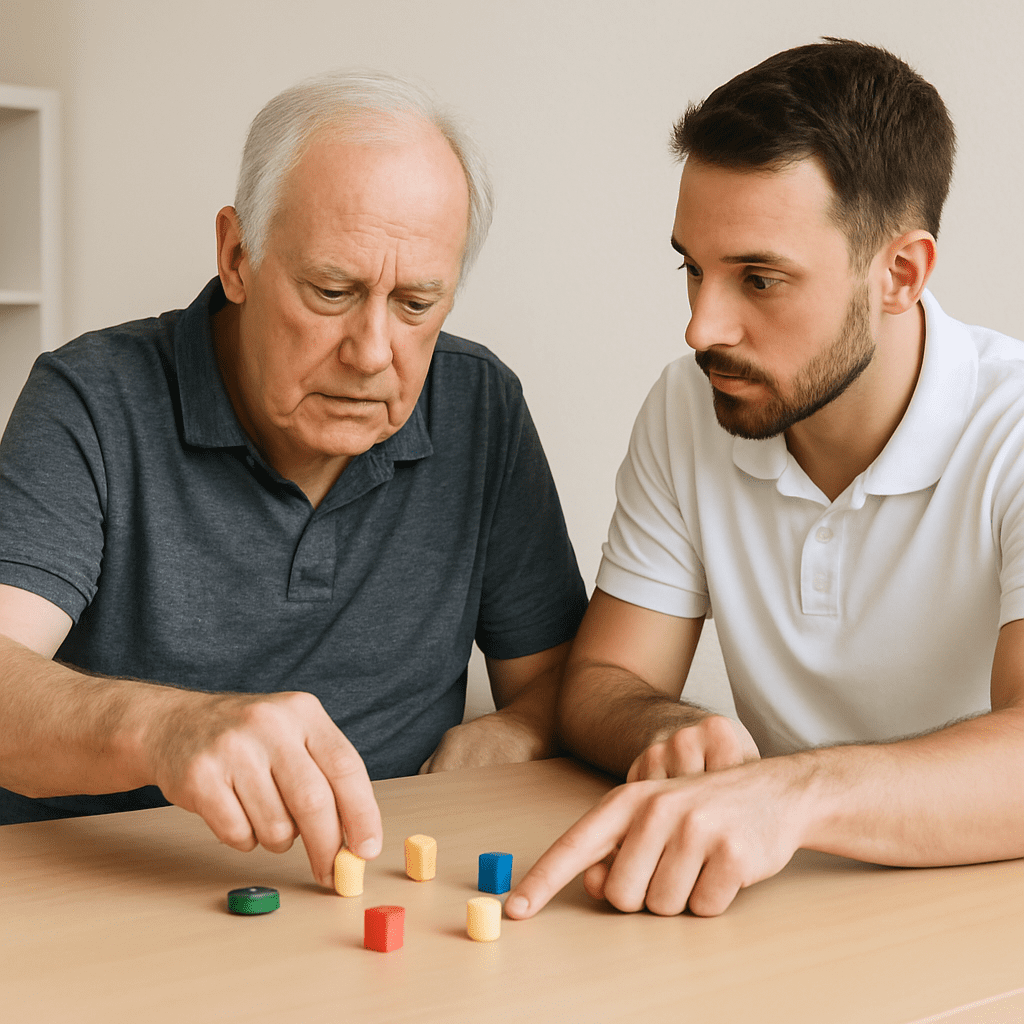
The rehabilitation program is tailored to the specific impairments the patient has experienced. Physical therapists work to restore mobility and the ability to walk. Occupational therapists help patients practice daily activities such as dressing, eating, and personal hygiene to help them regain their independence.
Speech and swallowing disorders (aphasia and dysphagia) are particularly difficult for those affected. In these cases, the Speech therapy for speech disorders after brain injury invaluable services. Through targeted speech, voice, and swallowing exercises, patients learn to communicate again and eat safely. The psychological aspect should not be underestimated: being unable to speak, even though one’s mind is perfectly clear, often leads to deep frustration and depression.
Returning Home: A Challenge for Those Around Them
Once inpatient rehabilitation is complete, the transition to daily life at home begins. This step presents a significant challenge for everyone involved. The home may need to be modified to make it barrier-free, and care routines must be established.
The Support for family caregivers after discharge Therefore, support from the clinic is of utmost importance. Relatives often bear physically and emotionally heavy burdens and are at risk of burnout. The following forms of support should definitely be utilized:
- Home Care Services: To help with basic care.
- Support groups: Talking with like-minded people helps overcome emotional lows.
- Counseling centers: Long-term care insurance providers and social services provide information on financial assistance, care levels, and assistive devices (e.g., wheelchairs, nursing beds).
- Psychological support: To help both the patient and their closest relatives come to terms with the trauma.
A Stroke It never affects just the patient alone—it always affects the whole family. Open communication, accepting outside help, and a great deal of patience are the most important companions on this new journey through life.
Conclusion: Mindfulness, swift action, and hope
A stroke is a life-changing event that demands respect, but one that should not paralyze you with fear. The most important thing to remember is: you are not powerless. By actively managing your lifestyle, eating a healthy diet, exercising regularly, and keeping an eye on your health metrics like blood pressure and cholesterol, you can drastically reduce your personal risk.
At the same time, knowing the symptoms—as outlined by the simple FAST test—is one of the most valuable pieces of information you can learn. If you suspect a stroke, never hesitate to call 911. Thanks to modern medicine, specialized stroke units, and intensive rehabilitation, countless patients today have the chance to return to a fulfilling and happy life even after a severe stroke. Take care of yourself and those around you—because in emergency medicine, every second counts.
