
Heavy, tired legs after a long day at work, a feeling of tension in the calves, and bluish, winding veins shimmering beneath the skin: millions of people are familiar with these signs. Varicose veins, or varices in medical terminology, are far more than just a cosmetic annoyance. They are an indication of a venous system disorder that should be taken seriously.
In this comprehensive guide, you'll learn everything you need to know about the causes, prevention, and treatment of varicose veins – from gentle home remedies to the latest medical procedures.
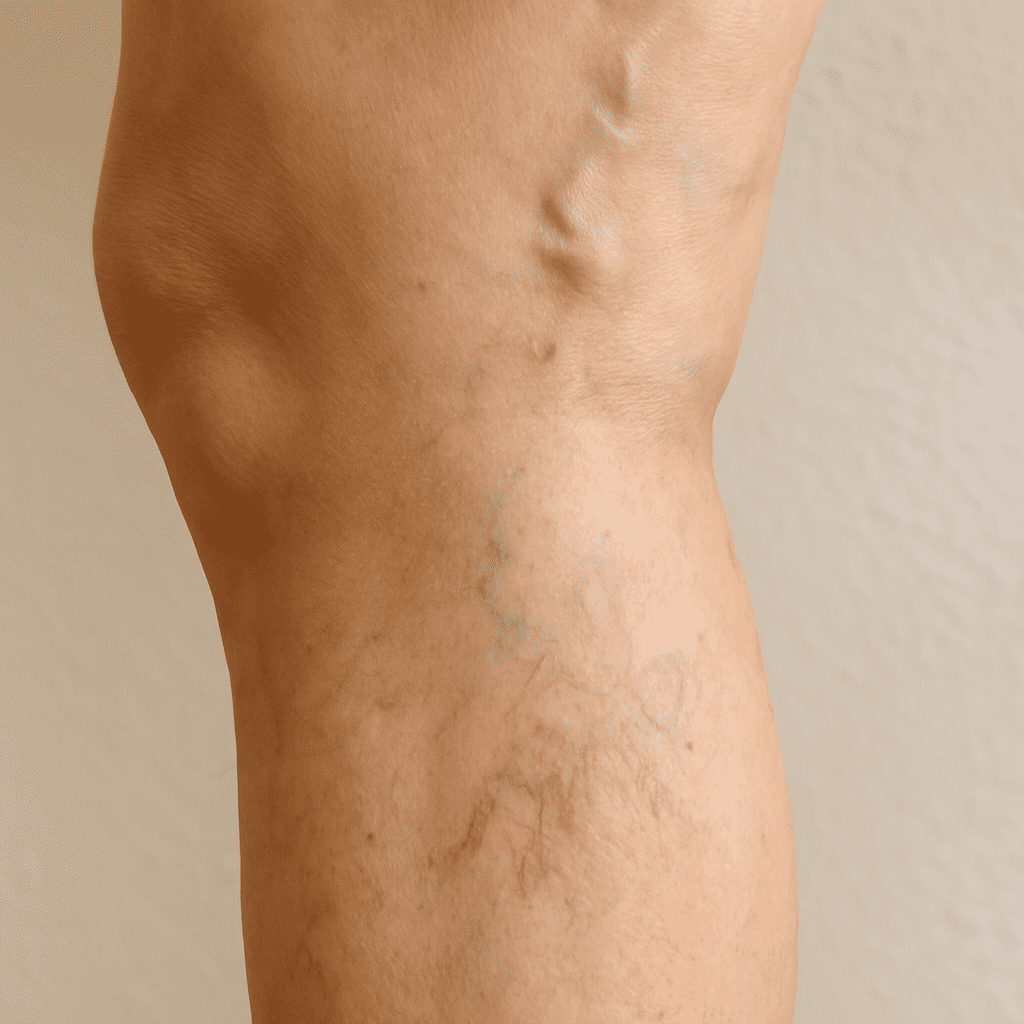
How do varicose veins develop, and what are the causes?
To understand how varicose veins develop, we need to take a brief look at our anatomy. Our veins have the demanding task of transporting deoxygenated blood back to the heart against gravity. The so-called venous valves, which function like small check valves and prevent blood from flowing back down, help with this.
If these valves no longer close properly, blood pools in the legs. Among the most common Venous valve insufficiency causes belong
- Genetic predisposition (connective tissue weakness)
- Increasing age
- Frequent standing or sitting at work
- Overweight
- Hormonal changes
Especially the topic Pregnancy and heavy legs is strongly linked. Hormonal changes soften connective tissue, and the baby's added weight presses on the pelvic veins, hindering blood flow from the legs.
Additionally, for correct classification, it is important to Difference between superficial and deep vein insufficiency to know. While the superficial venous system only transports about 10 percent of the blood (this is where visible varicose veins form), the deep venous system in the muscles does the actual main work. A weakness in the deep system is often not directly visible from the outside, but is medically much more relevant.
Are varicose veins dangerous? The most important warning signs
Many those affected ask themselves sooner or later the question: Are varicose veins dangerous? In the early stages, they are usually harmless. However, if left untreated, they can lead to permanent skin changes, chronic swelling, or even an „open leg“ (ulcus cruris).
However, the greatest risk with advanced venous diseases is the formation of blood clots. Therefore, you should Symptoms of deep vein thrombosis must-know
- Sudden, severe swelling in one leg
- Calf pain that resembles severe muscle soreness
- Tightness and redness of the skin
- Overheating of the affected leg
If these symptoms occur, immediate medical attention is required! When to go to a phlebologist, even if it's not an emergency? Experts advise: As soon as you experience regular pain, your legs are constantly swollen, or skin changes appear, a doctor's visit is advisable. If you are unsure, you can quickly find competent assistance through search engines or your health insurance provider's portal. Find urologists nearby.

Prevention and Relief: What You Can Do Yourself
Even though a hereditary predisposition cannot be cured, the progression of venous disease can be significantly slowed down through targeted measures.
Home remedies and exercise
The golden rule of vein health is: Better to run and lie down than to sit and stand. Proven Home remedies for swollen legs are regular cold leg affusions according to Kneipp and consistently elevating the legs in the evening.
Additionally, you can Vein gymnastics exercises for everyday life easily integrated at your desk or on the couch:
- Footrest Alternately stand on your tiptoes and your heels. This activates your calf muscle pump.
- Ankle circles Sitting, lift your feet and circle them in both directions.
- Toe claws Grasp an imaginary (or real) pen with your toes and release it.
Many patients rely on herbal remedies for support. Effectiveness of Horse Chestnut Extract is well supported by numerous studies. The extract seals the vein walls, thus reducing the leakage of fluid into the surrounding tissue, which alleviates swelling.
Proper Use of Compression Stockings
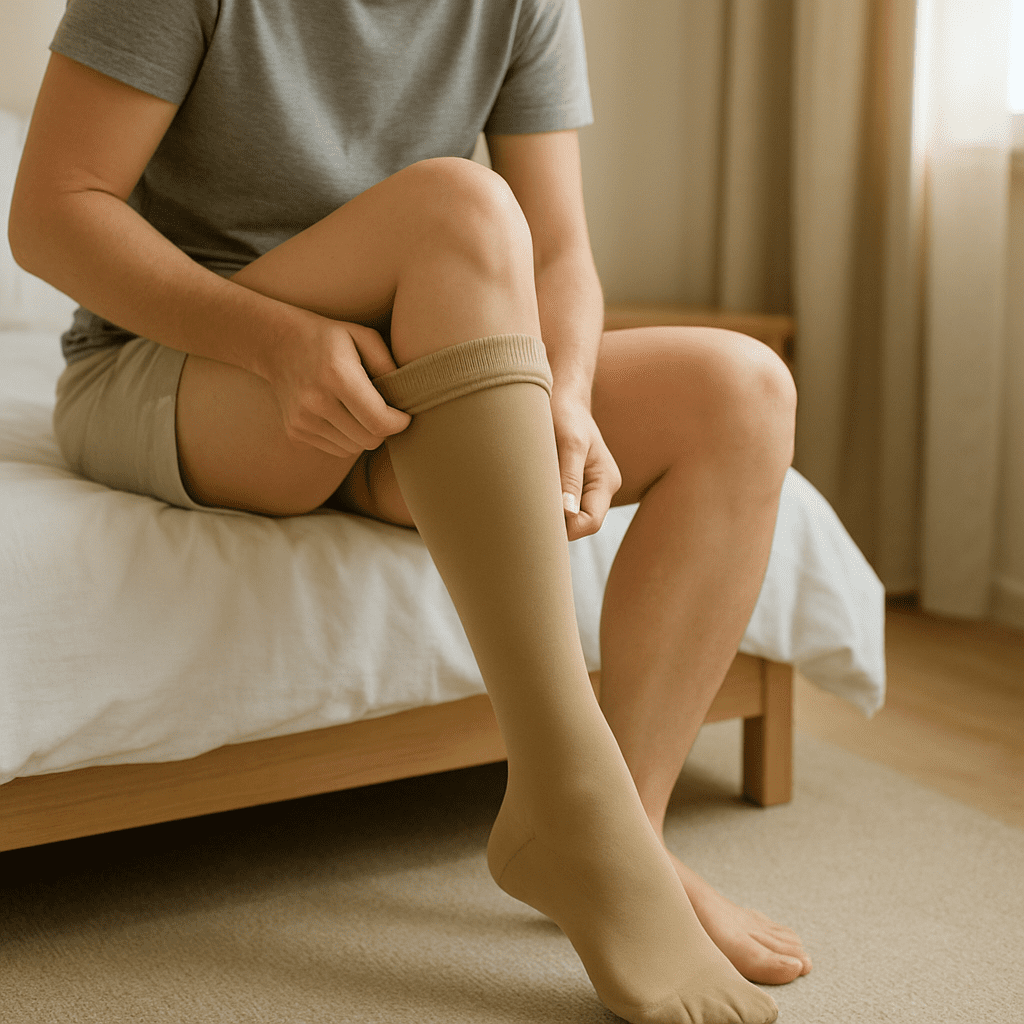
The be-all and end-all of conservative therapy are medical compression stockings. They exert external pressure, constrict the veins, and help the venous valves to close better again. To fully benefit from their effect, you must wear them How to put on compression stockings correctly. It's best to do this first thing in the morning while still lying down, before blood can pool in your legs. Special rubber gloves from a medical supply store make it easier to grip the firm material and prevent runs.
Modern Treatment Methods for Venous Diseases
If conservative measures are no longer sufficient, modern medicine offers gentle alternatives for the removal of diseased veins. The days when every procedure involved a long hospital stay are long gone.
When you're currently Treatment methods for venous diseases considered, the debate stands Laser therapy vs. classic stripping often in the spotlight.
- Classic Stripping In this procedure, the diseased vein is pulled out through small incisions in the groin or behind the knee using a probe. This method is well-established but often requires general anesthesia and has a somewhat longer recovery period.
- Laser Therapy (and Radiofrequency Therapy): These are minimally invasive, endovenous procedures. A laser catheter is inserted into the vein; the vein is sealed from the inside using heat. The body gradually breaks down the sealed vessel over time. Patients are usually back on their feet the next day.
Microschaum sclerotherapy is often used for smaller, superficial varicose veins. The Chances of recovery after sclerotherapy (the medical term for this) are very high with proper aftercare. This involves injecting a special foam into the vein, which seals the vessel walls.
As with any medical procedure, there are certain things to keep in mind. The Risks of surgical vein removal may include, albeit rarely, infections, post-operative bleeding, numbness caused by minor nerve damage, or bruising. In the hands of an experienced phlebologist, however, these procedures are extremely safe today.
What costs do you have to expect?
The financial aspect of the treatment depends heavily on the individual diagnosis. If the varicose veins are medically relevant (e.g., causing pain, swelling, or detected with faulty valves via ultrasound), the statutory health insurance typically covers traditional stripping. If you wish to be treated with modern methods, the Cost of varicose vein removal for laser or radiofrequency therapy. They typically range from 1,000 to 2,000 euros per leg, although many health insurance plans now cover all or part of the cost of these procedures.
The situation is different when it comes to the small, reddish-blue spider veins on the skin's surface. Since these are considered purely a cosmetic issue, the Spider vein removal cost (often by sclerotherapy or skin laser) are not covered by health insurance. Here you can expect prices between 150 and 400 euros per session, depending on the severity.
Conclusion: Get active for lighter legs!
Varicose veins are a common ailment that can be wonderfully managed today thanks to modern medicine and targeted prevention. Whether you act preventatively with more exercise and plant extracts, or opt for minimally invasive removal: listen to your body's signals. Take care of your veins, keep moving, and don't hesitate to seek medical advice promptly if you experience discomfort. Your legs will thank you with lightness and vitality well into old age!
