
The fact might surprise you, but every human actually needs hemorrhoids. Medical experts emphasize that while nearly half of all adults experience rectal discomfort, the structures themselves are perfectly normal. They are not strange growths or a contagious disease. Rather, these natural, blood-filled cushions are an essential part of human anatomy.
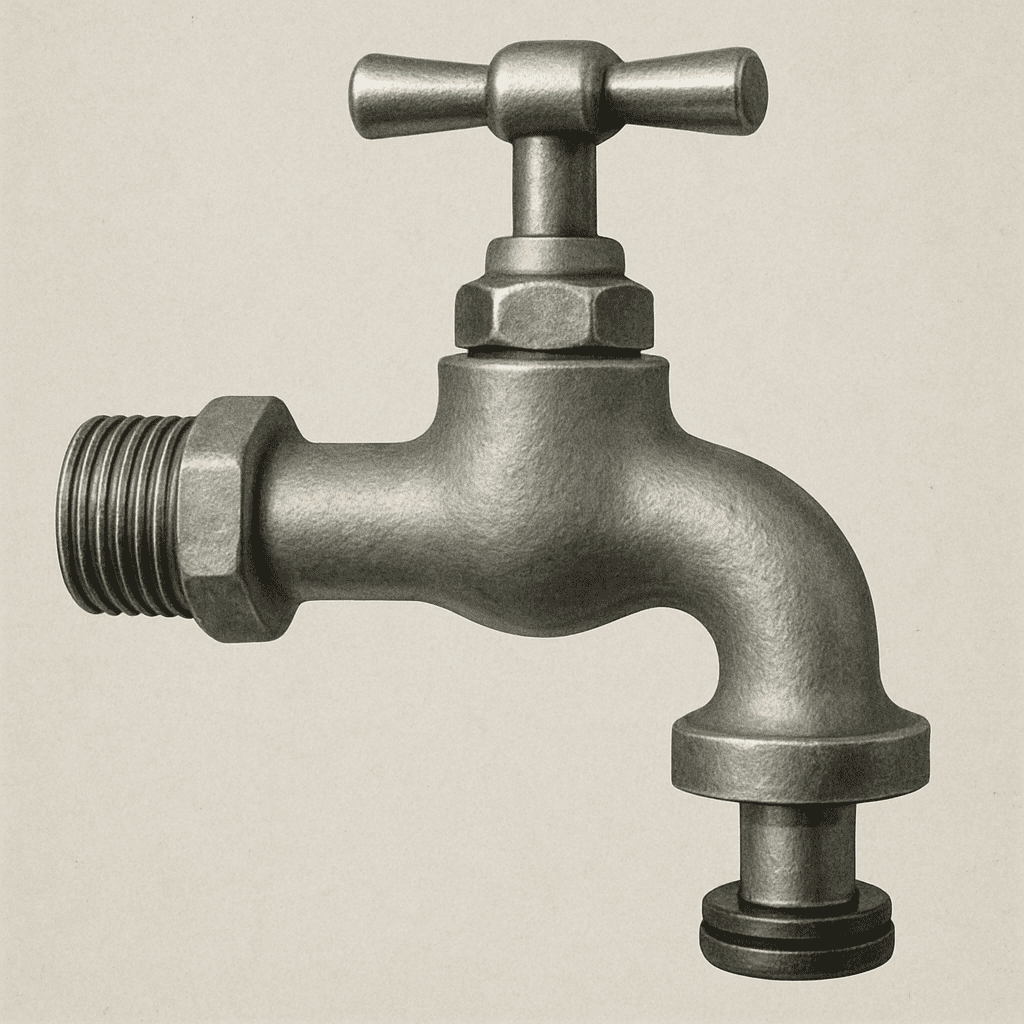
Imagine your anus like a faucet in your home. To avoid dripping, a faucet needs a stable rubber seal. The inner seal of your body is the Corpus cavernosum recti. Specialists refer to these vascular cushions as a continence organ that ensures complete fecal control. They simply swell with blood to form a reliable, airtight seal.
Problems only arise when this delicate valve is put under significant strain. Pressing too hard on the toilet stretches the tissue and turns healthy anatomy into a painful condition known as Hemorrhoid treatments It is known that its internal valve requires gentle pressure to function correctly. However, excessive force will cause these helpful cushions to bulge, ache, and bleed.
Blood on toilet paper and swelling: Interpreting the first signs correctly
A moment of fright in the bathroom: Bright red blood on the toilet paper is often the first symptom of hemorrhoids. Since the vascular cushions in the rectum are heavily supplied with blood, pressure during straining leads to small tears. The blood is always fresh and bright red. To alleviate this swelling at the anus, you should consistently avoid sitting on the toilet for long periods.
If the enlarged pads no longer seal the anal opening airtight, moisture escapes unnoticed – doctors call this secretion. This constant wetness irritates the sensitive skin and causes agonizing itching, known as perianal eczema. It is precisely this constant irritation that makes everyday life so uncomfortable for many sufferers.
Although these complaints are mostly harmless, the exact cause of blood on toilet paper must always be medically examined. Pay attention to these four warning signs:
- Dark or black blood
- Persistent, stabbing pain
- Palpable, very hard nodules
- Fever or purulent discharge
Anal Fissure or Hemorrhoids? The Decisive Comparison for Your Safety
When a trip to the restroom is suddenly accompanied by stabbing pains, many immediately suspect enlarged vascular cushions. However, true hemorrhoids rarely cause pain in their early stages. Sharp pain during bowel movements is more indicative of a small tear in the mucous membrane. Understanding the differences between an anal fissure and hemorrhoids requires a closer look, as the exact diagnosis determines the treatment path.
Sometimes a swollen, bluish lump develops overnight near the anus that is extremely painful. This is usually an anal vein thrombosis – a blood clot on the outer edge. This checklist can help you get started:
- Type of pain: Stinging when straining (fissure), throbbing (thrombosis), or dull pressure (hemorrhoids).
- Time of blood: Bright red on paper immediately after a bowel movement (fissure or hemorrhoids).
- Test result: Sudden onset, very hard lump on the outside (thrombosis).
Only a doctor can definitively clarify what exactly is causing your symptoms. Actual enlargement of the internal cushioning pads typically progresses in four distinct stages.
The four stages of hemorrhoid disease: From ‚invisible‘ to ‚permanently external‘
For proper treatment, the medical classification of hemorrhoid stages is helpful. In the first stage, the vascular cushions remain completely invisible and are only enlarged internally. However, if these blood cushions continue to grow, they slide downwards under pressure, which doctors call prolapse.
Hemorrhoids of the second degree become noticeable immediately during bowel movements. The soft cushions protrude briefly during straining but then retract into the anus on their own, like a rubber band.
If the tissue continues to lose elasticity, we reach the third stage. The nodes now remain outside after a bowel movement but can be gently pushed back in with a finger. This manual repositioning provides relief but does not address the actual overstretching.
In the fourth stage, the tissue can no longer be repositioned inwards at all. The permanently externally located pads often require surgical intervention. However, early intervention through targeted nutrition and correct straining can stop this process beforehand and relieve the bowel.
The ‚Oatmeal Formula‘: How Nutrition and Proper Juicing Relieve the Gut
To break the vicious cycle of pressure, the solution often starts at breakfast. A fiber-rich diet for intestinal problems acts like an internal sponge. If you do the „oatmeal test“ and consume 30 grams of fiber daily, it binds water. This softens the stool to the consistency of toothpaste, which immediately halves the pressure on the vascular cushions.
Besides the menu plan, your sitting posture determines your well-being. On the toilet, we mostly sit at a 90-degree angle. Unfortunately, this unnaturally kinks the rectum. A small footstool changes everything: the 35-degree squat straightens the canal and serves as a natural aid for emptying.
Also, listen to your defecation reflex, your body's natural signal to empty. Three golden rules help establish proper bowel habits:
- Only go to the toilet when you really need to.
- Avoid pressing too hard.
- Leave the smartphone outside.
Discontinuing constant pressure will protect you from overstretching the blood pads in the long run. However, if the tissue is already irritated, targeted home remedies and care routines will provide relief.

Home remedies for anal itching: quick relief with sitz baths and ointments
When the burning becomes unbearable, tried-and-true home remedies for anal itching are often a first aid. A warm bath with oak bark extract works wonders here. The tannins it contains gently constrict the irritated hemorrhoids. This noticeably relieves itching.
Here is your guide to an anti-inflammatory sitz bath:
- Warm clear water to a pleasant body temperature (approx. 37 degrees Celsius).
- Add oak bark extract from the pharmacy exactly according to the package insert.
- Bathe for a maximum of 15 minutes to keep the skin intact.
After bathing, the right skincare routine is crucial for successful healing. Never rub the sensitive area dry; instead, gently pat it. Afterwards, a zinc-containing ointment optimally protects against inflammation in the anal area. These pastes form a water-repellent layer. Medical professionals call this the occlusion effect – essentially an invisible bandage that keeps moisture out and prevents painful friction.
However, sometimes even the best creams reach their limits. If the discomfort persists or you notice bright red blood, a medical examination by a proctologist is the safest course of action.
Anoscopy Without Shame: What to Really Expect During Your First Exam
The thought of a medical examination in this body region makes many people uneasy. However, the question of when you should go to a proctologist can be answered clearly: As soon as home remedies reach their limits or bright red blood appears, the expert is needed. This specialist sees enlarged vascular cushions daily and meets you without any judgment.
Those who anxiously wonder what actually happens during a proctoscopy can breathe a sigh of relief. The procedure is usually completely painless, takes only a few minutes, and takes place in a well-protected, discreet left-side position. The doctor uses a short instrument to determine the exact stage of swelling. A rectoscopy often follows directly – a similar, slightly deeper examination that inspects the adjacent rectum.
This quick look inside is extremely important for reliably ruling out other conditions. Once the diagnosis is confirmed, tiny, barely perceptible procedures performed directly in the practice are often sufficient to treat minor enlargements.
Rubber band ligation and sclerotherapy: Gentle solutions for grades 1 and 2
When home remedies reach their limits, modern hemorrhoid treatment offers gentle practical alternatives. For slightly enlarged vascular cushions (Grade 1), sclerotherapy – better known as injection treatment – is usually used. The doctor injects a special substance that causes the stretched tissue to shrink. Since this upper part of the intestine has few pain nerves, you will feel at most a slight pressure sensation during the minor procedure.
If the cushion already slips outward slightly during bowel movements (Grade 2), ligation helps. A tiny rubber band constricts the base of the hemorrhoid, causing the excess tissue to fall off unnoticed after a few days. Considering the procedure and risks of rubber band ligation, they are minimal as long as you avoid straining and heavy lifting afterward. The method scores multiple points:
- Completely painless, as the ring is placed in an insensitive area.
- No anesthesia or extended downtime from daily life required.
- Over 80 percent success rate for stage II complaints.
Despite the excellent results of sclerotherapy or ligation, the condition progresses over the years in some people, making surgical intervention necessary in cases of permanently protruding hemorrhoids.
When ointments are no longer enough: A comparison of modern surgical methods
If blood pillows remain permanently visible before the anus (stages III and IV), simple ligation is usually no longer sufficient. In these phases, surgical intervention often brings the longed-for, long-term relief when sitting and on the toilet. A comparison of surgical methods clearly shows that modern techniques focus on rapid, low-pain healing.
Which surgical approach is best for you depends on your exact symptoms:
- Milligan-Morgan: This tried-and-true classic completely removes the enlarged tissue. The wound heals openly, which is initially uncomfortable during bowel movements but very effectively prevents relapses.
- Longo Method: A special instrument lifts the hemorrhoids back into the pain-insensitive rectal area, like an internal facelift. This greatly shortens the unpleasant healing time after surgery.
In addition, modern laser therapy offers an extremely gentle alternative that shrinks the padding softly from the inside, without large incisions. Therefore, significant fear of the scalpel is unfounded today.
Your personal roadmap: Back to more quality of life in three steps
Until now, these unpleasant symptoms may have caused you fear or shame. However, you now know that hemorrhoidal disease is ultimately a mechanical problem of natural anatomy that can be treated very effectively.
Start this week with a simple action plan to achieve initial improvements:
- More fiber: Incorporate a bowl of oatmeal into your diet daily.
- Drink enough water Drink an extra glass of water with every meal.
- Adjust habits: Avoid straining and limit your time on the toilet to a maximum of three minutes.
Early action prevents surgery, and small lifestyle adjustments lay a strong foundation for your health. Whether it's about incorrect bowel habits or discomfort in the intimate area after pregnancy – relief is possible. There is no reason to shy away from talking to a doctor. Use these simple habits to sustainably regain your well-being.
