
Hardly any skin issue is as strongly associated with myths, frustration, and endless product testing as impure skin. Anyone who looks in the mirror in the morning and discovers a new, painful inflammation knows how much the condition of our skin can affect our well-being. Acne vulgaris is the most common skin condition worldwide and by no means only affects teenagers.
In this comprehensive guide, we'll delve deep into the world of modern dermatology and cosmetics. We'll clarify the scientific causes, debunk outdated advice, and show you what a sustainable, gentle, and targeted skincare strategy looks.
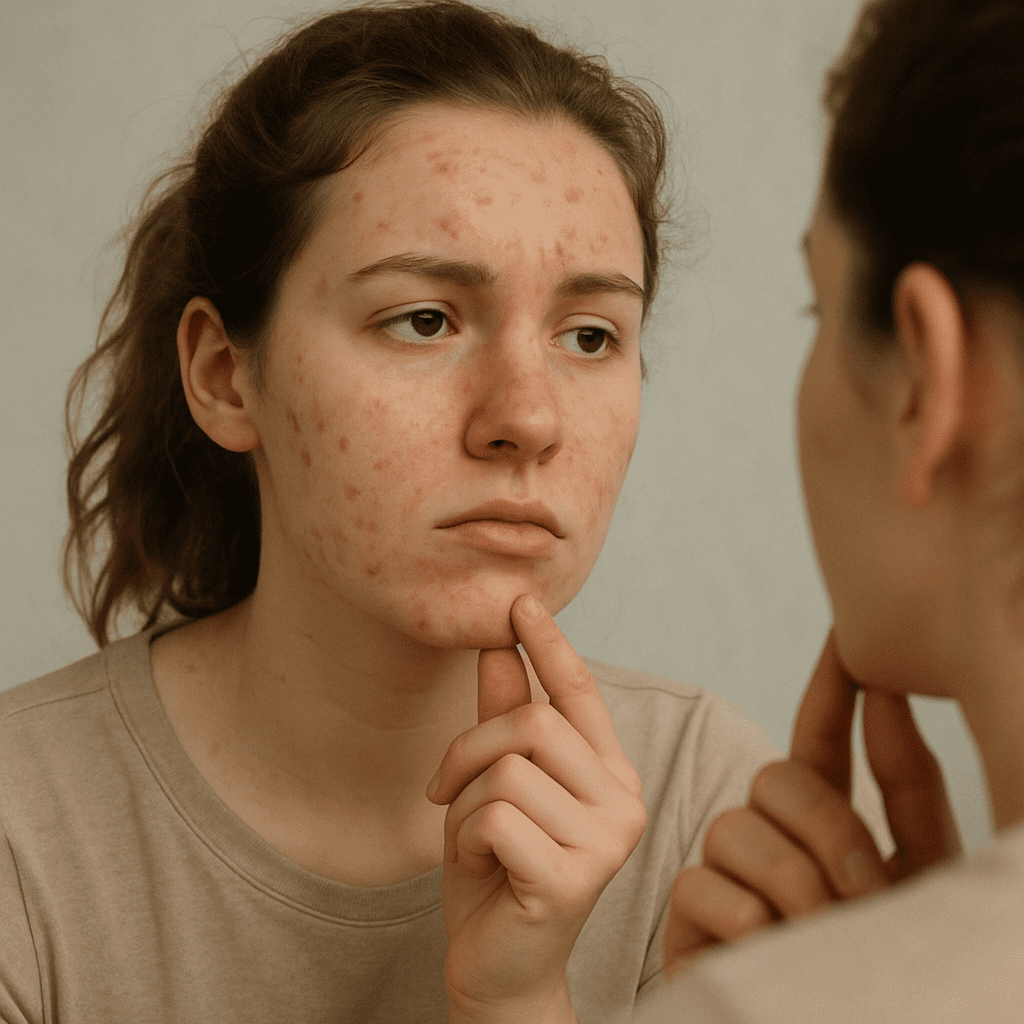
What is acne vulgaris and how does it develop?
Acne vulgaris is a chronic disease of the sebaceous glands. To find the right treatment strategy, we must first understand what is happening beneath the skin's surface.
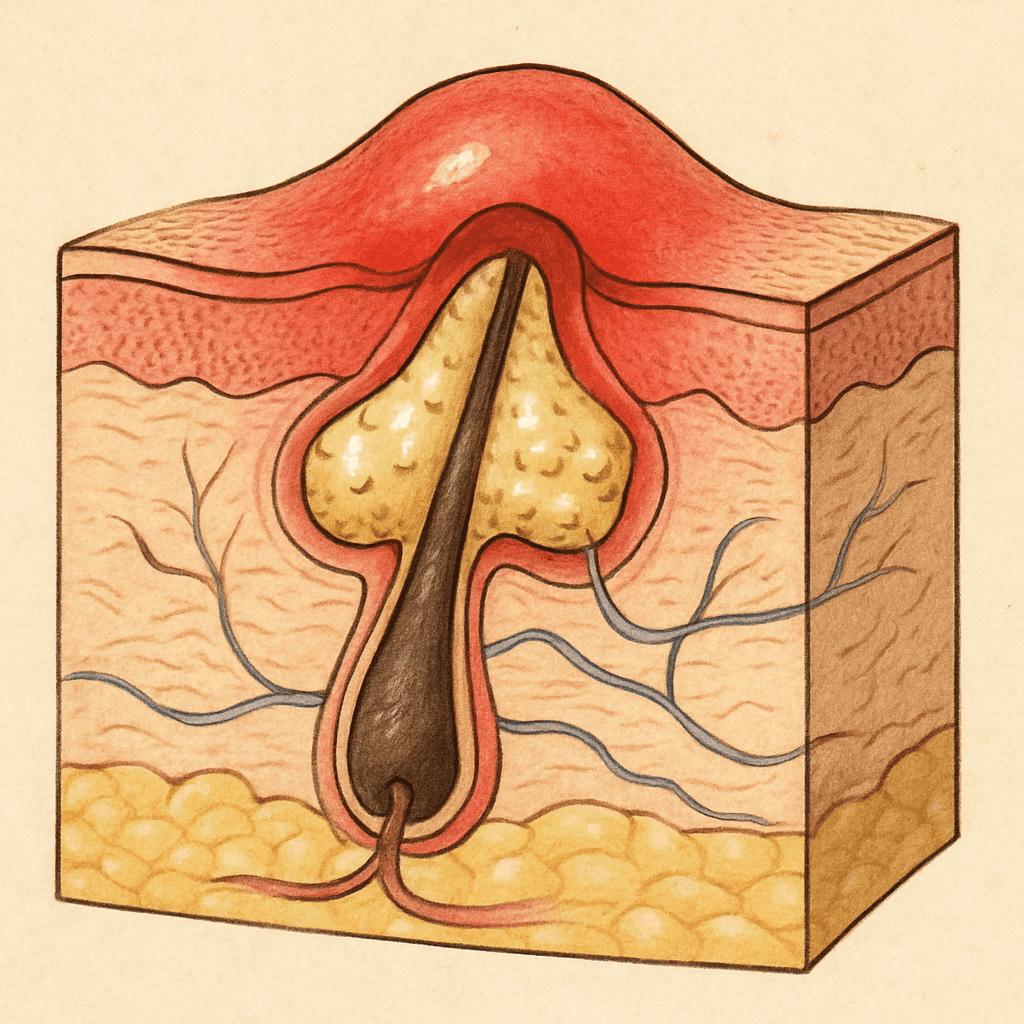
The formation of a pimple is a complex process. Medically speaking, the main factors are Inflammation of the sebaceous glands and excessive sebum production (Sebaceous gland inflammation and excess sebum production). When the body produces too much sebum and skin flakes are not properly removed, the pore opening becomes blocked. Bacteria - especially the Cutibacterium acnes – thrive in this oxygen-poor, greasy environment, providing the perfect breeding ground. They multiply rapidly and trigger an inflammatory response from the immune system.
Why in puberty?
The classic question is often: During puberty, your body goes through significant hormonal changes. These hormones, particularly androgens, cause your sebaceous glands to produce more oil (sebum). This excess oil, combined with dead skin cells, can clog your pores. Bacteria on the skin, known as *Propionibacterium acnes*, then feed on this sebum and multiply within the clogged pore, leading to inflammation and the formation of pimples.The answer lies in hormones. During puberty, the body releases increased amounts of androgens (male sex hormones, which are also present in women). These hormones act directly on the sebaceous glands, enlarging them and massively boosting oil production.
The different manifestations
Not all pimples are the same. In dermatology, different types are distinguished Types of inflammatory skin lesions:
- Comedones (blackheads): Open (black) and closed (white) clogged pores without significant inflammation.
- Chit-chat Small, red, inflamed nodules without a visible pus head.
- Pustules The „classic“ pimple with a pus head.
- Cysts and nodules: Deep, very painful, and large inflammations that carry a high risk of scarring.
Causes: More Than Just a Teenage Problem
Many people believe they can simply leave their acne behind with their 20th birthday. However, the reality is often quite different.
Anyone seeking explanations in adulthood quickly encounters the Causes of adult hormonal acne. Late acne (acne tarda) occurs more frequently in women and usually manifests in the lower half of the face, along the jawline, and on the neck. The causes for this are diverse:
- Hormonal fluctuations (menstrual cycle, stopping the pill, pregnancy, PCOS)
- Chronic stress, which stimulates the release of cortisol
- Counterfeit cosmetic products
Equally crucial is the Diet and lifestyle's impact on skin health.. It is now scientifically proven that a diet with a high glycemic index (lots of sugar, white flour) as well as high consumption of cow's milk products can promote inflammation in the body and trigger acne vulgaris. Sufficient sleep, stress management, and a blood sugar-friendly diet are therefore fundamental pillars of any holistic acne treatment.
Building the Perfect Skincare Routine
The path to clear skin begins in the bathroom. an effective routine for blemish-prone skin is characterized not by aggressive drying, but by gentleness and consistency. Less is often more.
Step 1: Proper cleaning
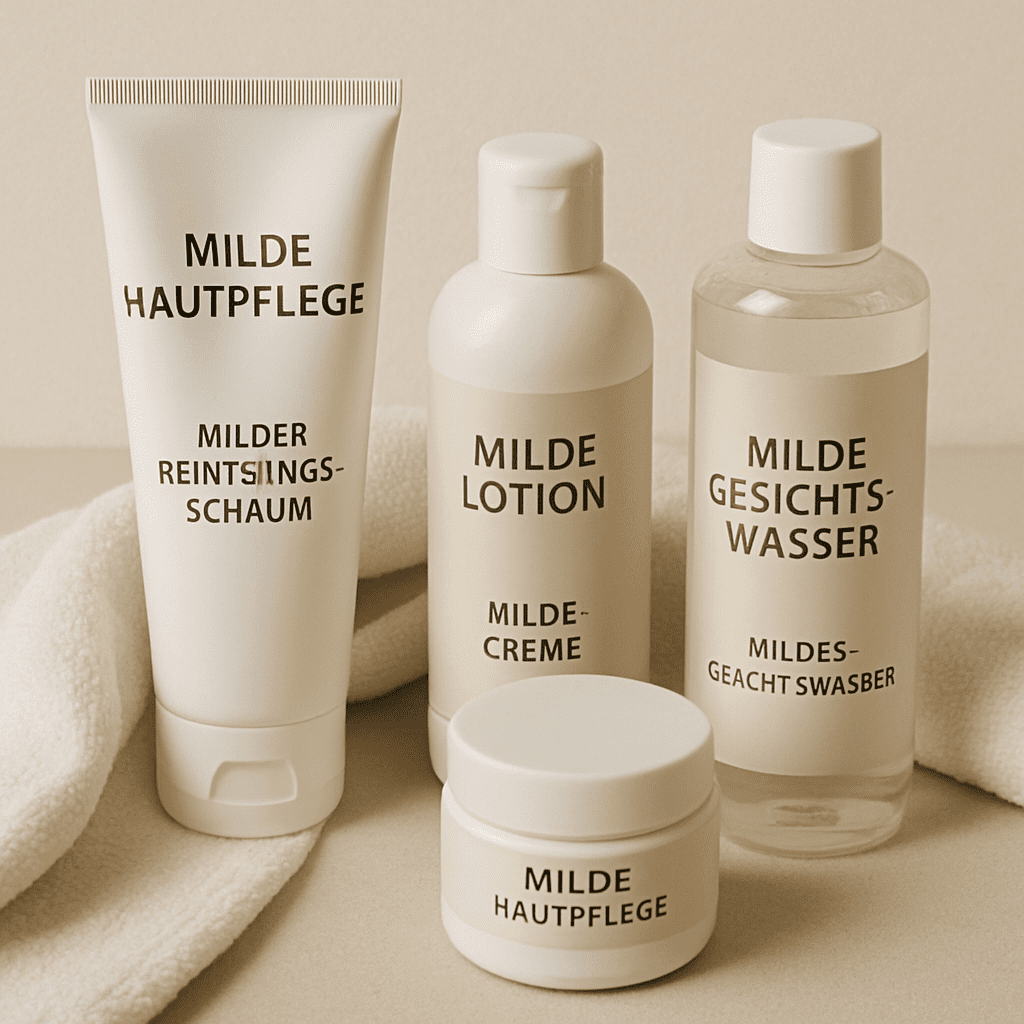
A big mistake with oily skin is the urge to wash it „squeaky clean.“ However, How to choose the right facial cleanserUse mild, pH-balanced, skin-neutral cleansing gels or foams without harsh surfactants (like SLS). Gentle cleansing protects the skin barrier. If your skin feels tight after washing, the cleanser was too harsh.
Step 2: Targeted Active Ingredients for Acne Treatment
In the world of active ingredients, there is an eternal, yet important debate: Benzoyl peroxide vs. salicylic acid for breakouts. Both are excellent, but have different strengths:
- Salicylic Acid (BHA): It is lipophilic (fat-soluble) and can penetrate directly into the pore to dissolve dead skin cells and sebum. Ideal for blackheads and clogged pores.
- Benzoyl peroxide (BPO): Delivers oxygen to the pore and kills acne bacteria extremely effectively. Ideal for inflammatory papules and pustules.
Tip: Anyone using these potent active ingredients should definitely prioritize non-comedogenic skincare products for sensitive skin to strengthen the already strained skin barrier with ceramides and moisture (like hyaluronic acid or glycerin) without clogging pores anew.
Step 3: Be careful with makeup
Those suffering from acne vulgaris often want to cover redness. However, many cosmetics worsen the problem. If you use makeup, check the ingredient list for Comedogenic ingredients to avoid in makeup. Refrain from:
- Isopropyl Myristate
- Coconut Oil
- Lanolin
- Specific algae extracts
Instead, pay attention to the „non-comedogenic“ label and a light, mineral base.
Severe Cases: Medical vs. Natural Approaches
Minor blemishes can often be managed with a good skincare routine. However, when it comes to deep, painful nodules, many walk a fine line between Cystic acne home remedies and professional care.
Home remedies: What helps, what hurts?
Natural remedies like tea tree oil (always use diluted!) or cooling green tea compresses can slightly relieve inflammation in deep cysts. However, you should strictly avoid home remedies such as toothpaste, pure lemon juice, or harsh baking soda – they destroy the skin's acid mantle and cause chemical burns.
Medical treatments
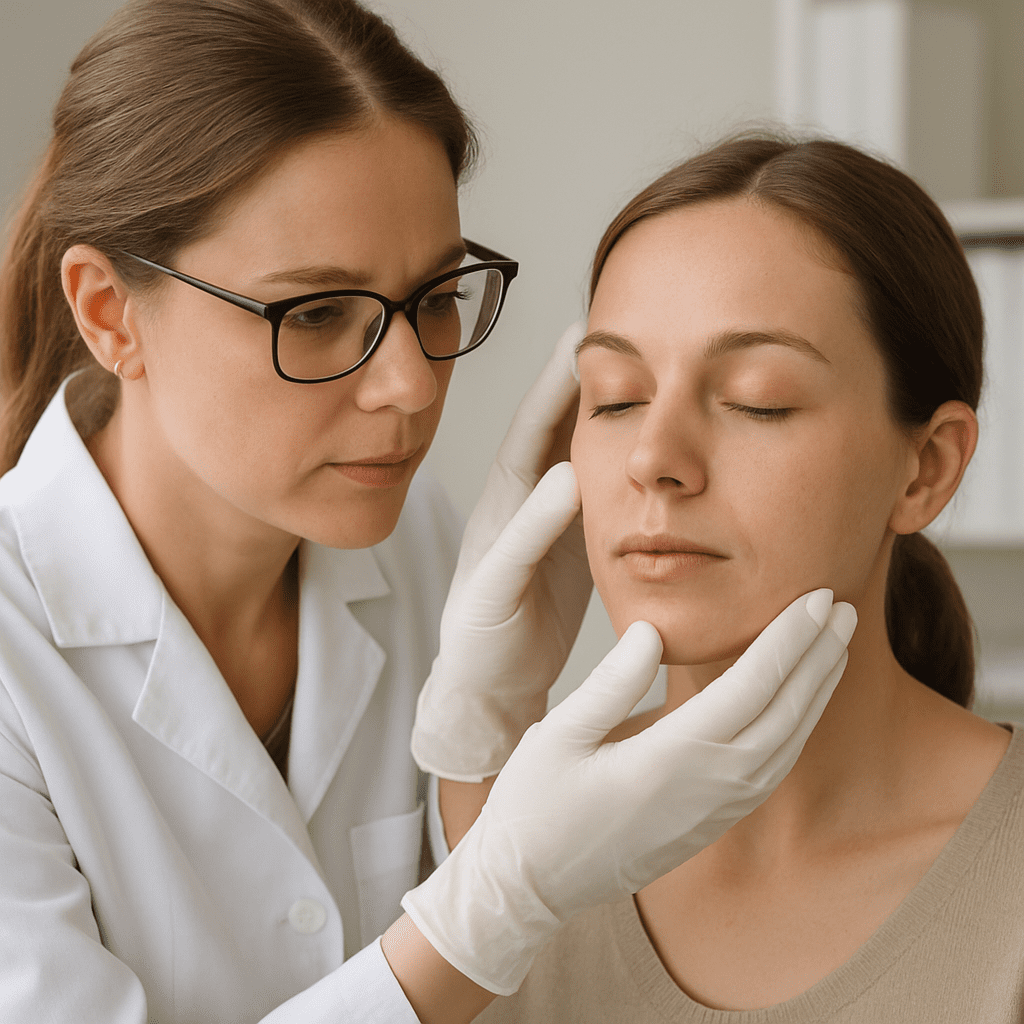
If the inflammations are widespread and painful, a visit to the dermatology department is essential. Doctors often face a choice here: topical retinoids versus oral antibiotics.
- Topical retinoids (e.g., adapalene, tretinoin): They massively accelerate cell renewal, prevent pore clogging, and are the long-term gold standard therapy.
- Oral antibiotics (e.g., doxycycline): They are usually used only in the short term to quickly control an acute, out-of-control inflammation. In the long term, they should be avoided due to possible resistance and negative effects on the gut flora.
Preventing Long-Term Effects: Scars and Pigment Spots
The pimple has finally healed, but a dark spot or dent remains. Aftercare is just as important as the treatment itself.
Scar prevention
The supreme commandment in the question Here's how to prevent acne scarring: * **Don't pick or squeeze pimples:** This is the most crucial step. Picking and squeezing can push bacteria deeper into the skin, leading to more inflammation and a higher chance of scarring. * **Treat acne promptly and effectively:** The sooner you get your acne under control, the less inflammation and damage there will be. Consult a dermatologist for effective treatment options, which might include: * **Topical treatments:** Retinoids (like tretinoin, adapalene), benzoyl peroxide, salicylic acid. * **Oral medications:** Antibiotics, hormonal therapies (like birth control pills), isotretinoin. * **Protect your skin from the sun:** Sun exposure can make existing acne scars darker and more noticeable. Always wear sunscreen with an SPF of 30 or higher, even on cloudy days. * **Be gentle with your skin:** Avoid harsh scrubbing or abrasive cleansers, as these can irritate the skin and worsen inflammation. Use a mild cleanser and pat your skin dry instead of rubbing. * **Maintain a healthy lifestyle:** While not a direct cause or cure for scarring, a balanced diet, adequate sleep, and stress management can contribute to overall skin health and healing. * **Consider professional treatments for active acne:** If your acne is severe or persistent, a dermatologist can offer treatments like chemical peels or laser therapy to manage active breakouts and reduce the risk of scarring. If you already have acne scars, there are treatments available to improve their appearance, but prevention is always the best approach. reads: Hands off! Squeezing pimples often pushes pus and bacteria deeper into the tissue, which increases inflammation and permanently destroys the tissue. Instead, use hydrocolloid patches (pimple patches). They protect the area from dirt, absorb wound fluid, and prevent unconscious scratching.
Treatment of hyperpigmentation
More common than true (deep) scars are red or brown spots that remain after inflammation. Fortunately, there are excellent Post-inflammatory hyperpigmentation treatment options:
- Vitamin C: Inhibits melanin production and lightens dark spots.
- Azelaic acid Has anti-inflammatory effects and specifically targets hyperpigmented cells (also ideal for rosacea).
- Sun protection (SPF 30+): This is the most important step! Without daily UV protection, pimple marks will continue to darken in the sun.
More than just a „cosmetic“ problem
The skin is our largest organ and our direct calling card to the world. Unfortunately, it Psychological effects of chronic skin conditions often dismissed by outsiders. People with severe acne vulgaris frequently suffer from reduced self-esteem, social isolation, anxiety, and even depression.
Comments like „Just wash your face more often“ are not only factually incorrect but also hurtful. It is essential to acknowledge that acne is a recognized chronic illness. Do not hesitate to seek psychological support if your skin health significantly impacts your quality of life. Connecting with others who share similar experiences – for instance, in self-help groups or on specialized online platforms – can be extremely relieving.
Conclusion: Patience and science as keys to success
Acne vulgaris is complex, stubborn, and frustrating. But with the knowledge of modern dermatology, you are not powerless against the condition of your skin. Understand the triggers, gradually adapt your lifestyle, and rely on an evidence-based, low-irritation care routine.
Don't be swayed by quick miracle cures from the internet. Active ingredients like salicylic acid or retinoids often need 8 to 12 weeks to show their full effect. Be patient, treat your skin gently, and don't hesitate to seek medical advice. Your skin does its best every day to protect you – with the right strategy, you can optimally support it in finding its natural balance again.
