
Warum wird der Darm manchmal träge, wann sollte man zum Arzt und was hilft wirklich? Die wichtigsten Antworten im Überblick.
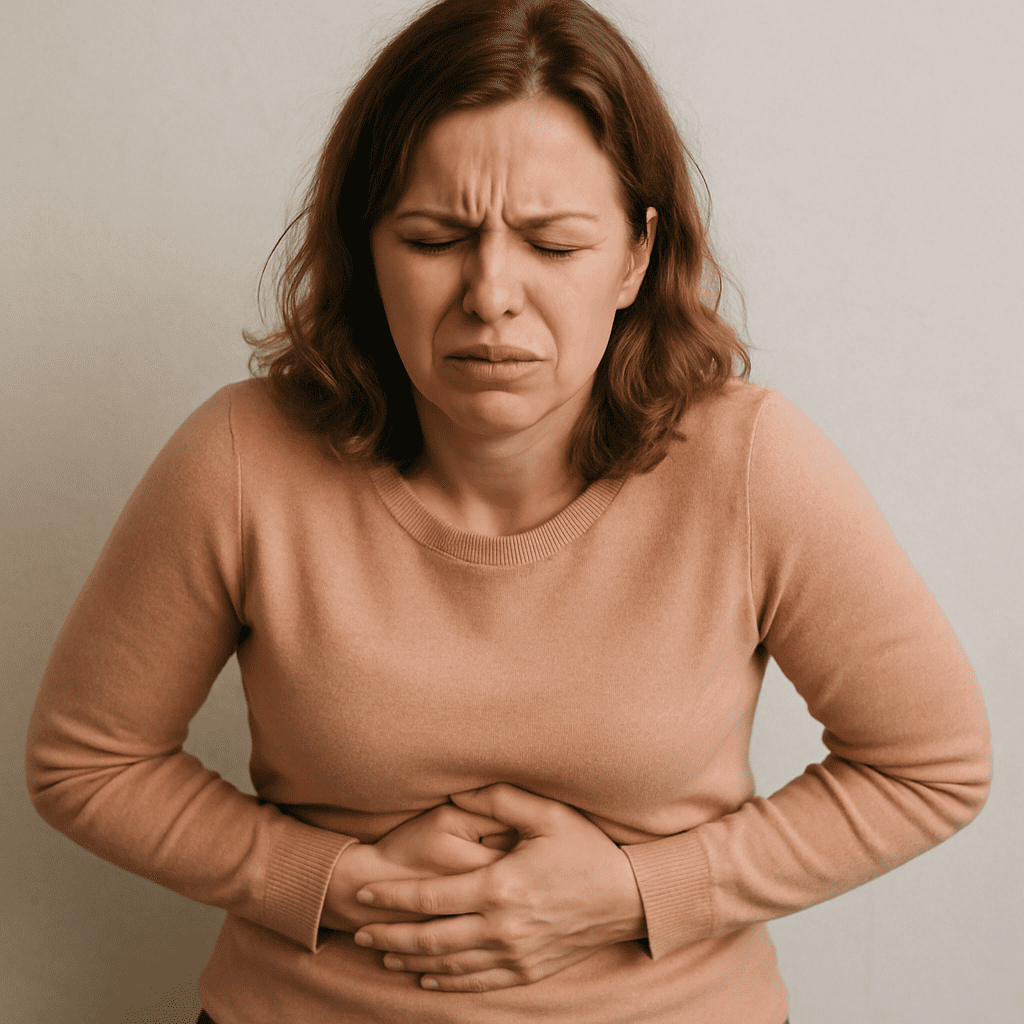
When your gut isn't playing along, it means you're experiencing digestive issues.
Von Verstopfung (Obstipation) spricht man, wenn der Stuhlgang seltener als dreimal pro Woche stattfindet, der Stuhl sehr hart ist und starkes Pressen nötig wird. Doch nicht jede Darmträgheit ist gleich.
Wichtig ist der Difference between acute and chronic constipation.
- Acute constipation Tritt plötzlich auf und hält nur wenige Tage an. Häufige Ursachen sind Reisen, Bettlägerigkeit nach einer Operation oder eine ungewohnte Ernährung.
- Chronic constipation: Besteht über mindestens drei Monate. Die Ursachen liegen oft in Ernährungs- und Lebensgewohnheiten oder in funktionellen Störungen des Darms.
Why is your gut cramping? Common everyday triggers
Ein häufig unterschätzter Faktor ist Flüssigkeitsmangel. Der Dickdarm entzieht dem Speisebrei Wasser, um den Stuhl einzudicken. Trinkt man zu wenig, entzieht der Körper dem Darm noch mehr Wasser – der Stuhl wird hart und trocken, der Transport verlangsamt sich.
Auch Medikamente können die Darmtätigkeit beeinflussen. Typische Auslöser sind Schmerzmittel (insbesondere Opioide), Eisenpräparate, bestimmte Antidepressiva und Blutdrucksenker. Setzen Sie Medikamente aber nie eigenmächtig ab, sondern besprechen Sie Alternativen mit Ihrem Arzt.
Bei plötzlichen Veränderungen der Stuhlgewohnheiten können auch hormonelle Schwankungen eine Rolle spielen – etwa durch den Menstruationszyklus, eine Schwangerschaft oder die Wechseljahre.
Wann ist Verstopfung ein Warnsignal?
In den meisten Fällen ist ein träger Darm harmlos. Es gibt aber Situationen, in denen ein Arztbesuch sinnvoll ist – vor allem wenn die Beschwerden plötzlich auftreten und trotz Gegenmaßnahmen anhalten.
Ein leichtes Völlegefühl ist bei Verstopfung normal. Treten jedoch krampfartige, starke Bauchschmerzen mit Übelkeit oder Erbrechen auf, kann das auf einen Darmverschluss (Ileus) hindeuten – ein medizinischer Notfall.
Ärztlich abklären lassen sollte man die Beschwerden auch, wenn folgende Warnsignale auftreten:
- Blood in stool or tarry black stools
- Unexplained weight loss
- Constant alternating between constipation and diarrhea
- Fever or night sweats
- Neu auftretende Verstopfung ab dem 50. Lebensjahr
In diesen Fällen kann die Darmträgheit ein Symptom für Erkrankungen wie Schilddrüsenunterfunktion, Diabetes, neurologische Störungen oder Darmkrebs sein.

Body and Mind: When the Soul Hits the Stomach
Der Darm wird oft als „zweites Gehirn“ bezeichnet. Sein enterisches Nervensystem kommuniziert über den Vagusnerv direkt mit dem Gehirn – eine enge Verbindung, die erklärt, warum Psyche und Verdauung so eng zusammenhängen.
In Stresssituationen aktiviert der Körper das sympathische Nervensystem. Energie wird für Muskeln und Gehirn bereitgestellt, die Verdauung wird gedrosselt. Chronischer Stress, Ängste oder anhaltende Belastungen können so direkt zu Verstopfung beitragen.
Constipation in children
Verdauungsprobleme betreffen auch Kinder und sind ein häufiger Grund für Kinderarztbesuche. Die Ursachen sind selten organisch – meist spielen Verhalten oder psychische Faktoren eine Rolle.
Typische Phasen, in denen Verstopfung auftritt:
- The transition from breast milk to solid food.
- Das Sauberkeitstraining.
- Der Eintritt in Kindergarten oder Schule.
Oft entsteht ein Kreislauf: Das Kind hatte Schmerzen beim Stuhlgang und hält den Stuhl zurück. Dadurch wird er noch härter, der nächste Gang noch schmerzhafter. Eltern sollten geduldig bleiben, auf Druck verzichten und bei Bedarf ärztlich verschriebene Mittel zur Stuhlaufweichung nutzen.
What to do? Natural remedies and home cures
Starke Abführmittel aus der Apotheke sind nicht der erste Griff. Bei falscher Anwendung können sie den Darm langfristig träger machen. Bewährte Hausmittel wirken oft sanfter.
First Aid for a Sluggish Bowel
- Plum juice or prunes: Enthalten Sorbitol, das Wasser in den Darm zieht und den Stuhl aufweicht. Über Nacht eingeweichte Trockenpflaumen sind besonders wirksam.
- A glass of warm water in the morning: Auf nüchternen Magen regt es den gastrokolischen Reflex an.
- Flaxseed and psyllium husk Quellen im Darm auf. Wichtig: Immer mit viel Flüssigkeit einnehmen – mindestens ein großes Glas Wasser pro Esslöffel – sonst kann es zu einer Blockade kommen.
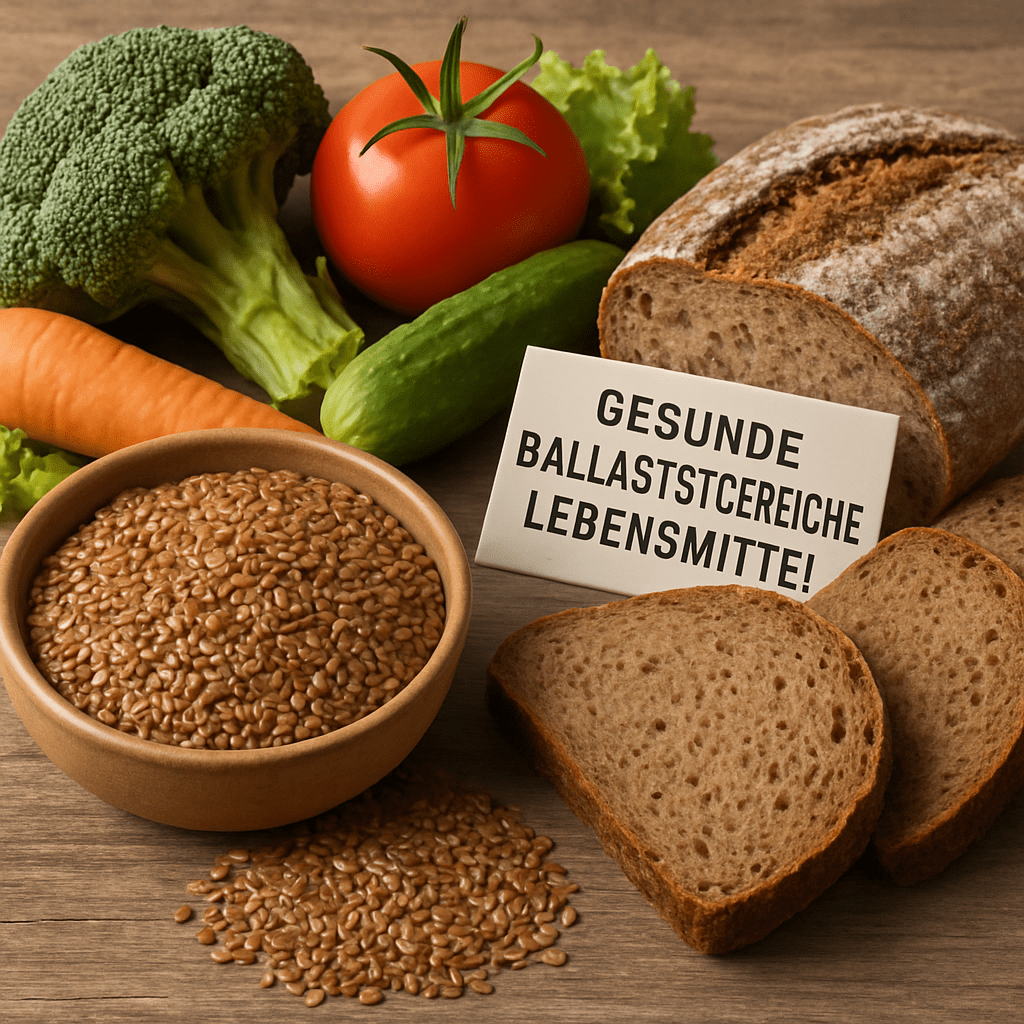
The Foundation: Proper Nutrition
A High-fiber diet for regulating digestion is the be-all and end-all of healthy bowel function. Fiber, such as that found in whole grains, legumes, fruits, and vegetables, is not digested. It binds water, increases stool volume, and makes stool soft. The German Nutrition Society (DGE) recommends at least 30 grams of fiber per day. If you increase your intake, do so slowly over several weeks so that your gut can adapt and to avoid bloating.
In addition to fiber, the microbiome plays a crucial role. The targeted use of Probiotics for building a healthy gut flora can work real wonders. Fermented foods like natural yogurt, kefir, sauerkraut, or kimchi provide live bacterial cultures that restore balance in the gut. Alternatively, high-quality probiotic supplements from the pharmacy can be beneficial.
Movement gets the bowels moving.
Our gut is a muscle that needs regular exercise. We can Stimulate bowel peristalsis naturally with movement. A brisk daily walk of 30 minutes, light jogging, swimming, or cycling massages the abdominal organs from the inside and promotes the wave-like muscle movements (peristalsis) of the intestines. Special yoga exercises („twists,“ in which the torso is rotated) also act like a gentle massage on the digestive system.
Proper toilet etiquette
Often, it's our posture that makes bowel movements difficult. Proper behavior for stool retention and bloating It starts with the correct sitting position. Our modern toilets force us into a 90-degree sitting posture. Anatomically, this kinks the rectum, making bowel movements more difficult. Tip: Place a small stool under your feet. The squatting position (35-degree angle) relaxes the puborectalis muscle, straightens the rectum, and makes emptying significantly easier and without harmful straining.
Long-term prevention: Doing good for your gut
So that the unpleasant problem doesn't become chronic in the first place, you should Preventive measures against functional gastrointestinal disorders integrate into your daily life.
- Listen to your body: If you feel the urge to go to the bathroom, don't delay. Holding it in for too long will remove water from the stool and contribute to constipation.
- Establish routines The gut loves routines. Try to eat your meals at regular times and allow plenty of time in the morning for a bowel movement without rushing.
- Chew thoroughly Digestion begins in the mouth. Those who chew their food thoroughly and moisten it with saliva take a lot of hard work off the intestines.
Conclusion
A rebellious gut is annoying, but in most cases, it can be managed well with natural and gentle methods. It's important to always question your own lifestyle: Am I drinking enough? Am I getting enough exercise? Have I been under a lot of stress recently? If you Constipation as a symptom consider it a message from your body that it's lacking something), you can actively counteract it.
Combine a high-fiber diet with adequate fluids, daily exercise, and mindful relaxation breaks. However, if symptoms appear suddenly, are accompanied by severe pain, or last for weeks, do not hesitate to seek medical advice. After all, a healthy gut is the foundation for our daily well-being and a high quality of life.
