
Sie liegen abends im Bett, der Raum ist still, aber die Ohren pfeifen. Viele glauben, das sei eine eigenständige Krankheit – medizinisch gilt Tinnitus jedoch als Symptom, nicht als Ursache.
Ein verbreitetes Erklärungsmodell: Wenn das Signal aus dem Ohr schwächer wird – etwa durch Stress, Verspannungen oder Lärm – verstärkt das Gehirn die Wahrnehmung, um fehlende Töne auszugleichen. Dabei entsteht ein Rauschen, das sich als akustische Dauerschleife festsetzt.
Die eigentlichen Auslöser liegen oft woanders als vermutet. Den Ton kann man sich wie einen Rauchmelder vorstellen: Er schlägt Alarm, wenn das Hörsystem aus dem Gleichgewicht geraten ist.
Subjective vs. Objective Tinnitus: Why Only You Hear the Sound
Medizinisch unterscheidet man zwei Formen:
- Subjective Tinnitus Mit Abstand die häufigste Form. Das Geräusch entsteht in der Verbindung zwischen Ohr und Gehirn und ist nur für die betroffene Person hörbar.
- Objective Tinnitus: Sehr selten. Hier gibt es eine tatsächliche körperliche Schallquelle – etwa den eigenen Pulsschlag –, die auch ein Arzt mit Instrumenten wahrnehmen kann.
Auch die Art des Klangs kann Hinweise geben: Ein tonaler Tinnitus klingt wie ein klares Pfeifen, eine rauschende Variante eher wie ein gleichmäßiges Brummen.
Bei der subjektiven Form versucht das Nervensystem meist, fehlende Höreindrücke auszugleichen. Doch was bringt dieses System überhaupt aus dem Takt?
The Cervical Spine and Sudden Hearing Loss: When Physical Causes Trigger the Ringing
Viele suchen den Auslöser ausschließlich im Ohr. Tatsächlich ist das Gehörsystem eng mit umliegenden Muskeln, Gelenken und Nervenbahnen verbunden – die Ursache kann also woanders liegen. Manchmal reicht eine ungünstige Schlafposition oder ein chronisches Rückenproblem aus.
Häufige körperliche Auslöser:
- Neck and jaw problems Verspannungen im Bereich der Halswirbelsäule oder nächtliches Zähneknirschen können Nerven belasten, die mit dem Hörzentrum in Verbindung stehen.
- Hörsturz: Ein plötzliches Druckgefühl im Ohr kann auf eine akute Störung im Hörorgan hinweisen, auf die das Gehirn oft mit Pfeifen reagiert.
- Innenohrschwerhörigkeit: Auch ein schleichender Hörverlust kann dazu führen, dass das Gehirn fehlende Töne durch ein selbst erzeugtes Rauschen ersetzt.
Der Mechanismus dahinter: Nerven aus dem Nacken- und Kieferbereich verlaufen im Gehirn nah an den Hörbahnen. Bei starker Muskelanspannung können Signale dort durcheinander geraten, sodass das Gehirn ein Schmerzsignal als Geräusch interpretiert.
Psychische Belastung verstärkt körperliche Anspannung – damit schließt sich ein Kreislauf.
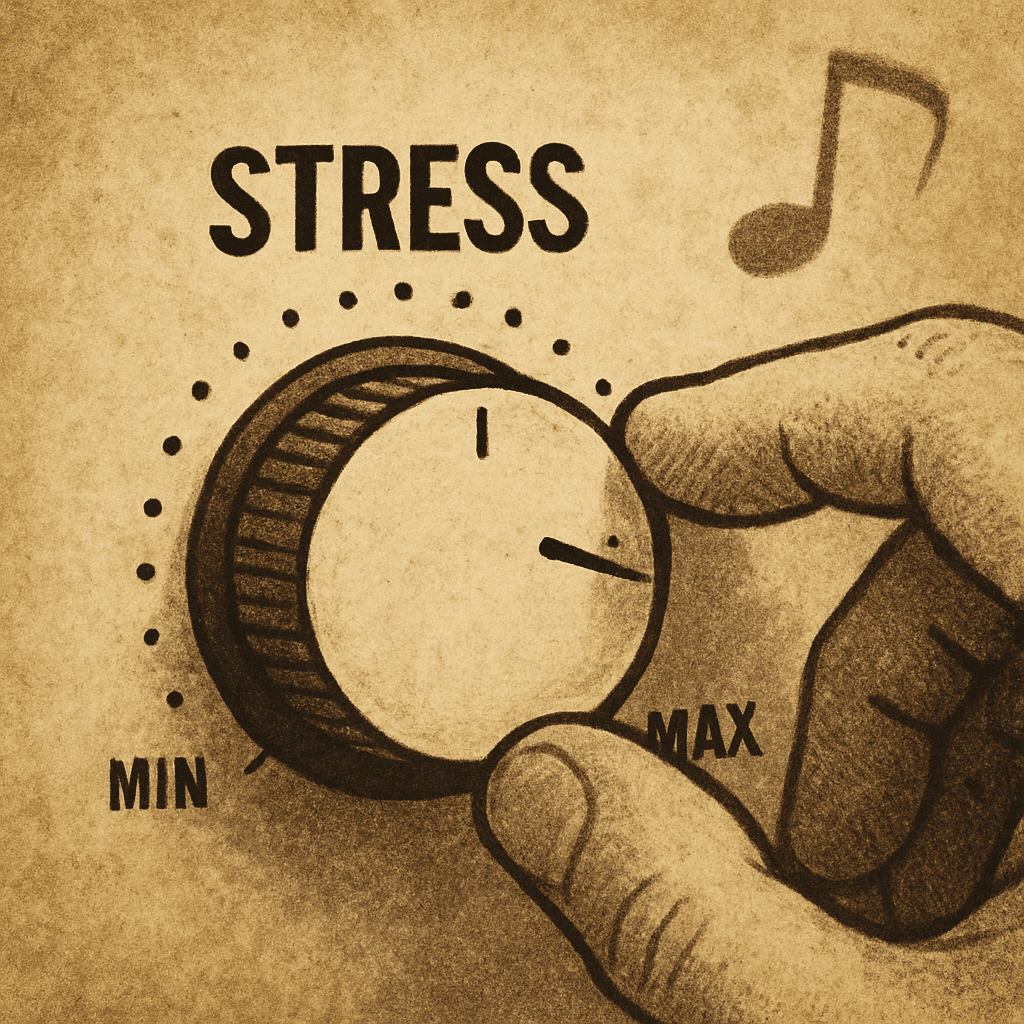
Stress as a volume control: Why tinnitus gets worse when you're stressed
Nach einem anstrengenden Tag wirkt das Pfeifen im Ohr oft lauter. Das ist kein Zufall: Stress beeinflusst nachweislich, wie stark Ohrgeräusche wahrgenommen werden. Das limbische System stuft das Rauschen bei Überlastung als Bedrohung ein und verstärkt es – eine Art Endlosschleife zwischen Aufmerksamkeit und Wahrnehmung.
Das unbewusste Überhören lässt sich trainieren. In der Medizin heißt das Habituation. Entspannende Hintergrundgeräusche oder Atemübungen können dem Gehirn signalisieren, dass keine Gefahr besteht – und die innere Verstärkung reduzieren. Körperliche Ursachen sollten aber vorher ärztlich abgeklärt werden.
Der Weg zur Diagnose: Was Sie beim HNO-Arzt erwartet
Da Tinnitus als Symptom gilt, suchen Ärzte nach der zugrunde liegenden Ursache. Eine Faustregel: Tritt das Geräusch plötzlich auf, hält es länger als 24 Stunden an oder kommt Schwindel hinzu, sollte man zeitnah zum Arzt.
Ein typischer Ablauf beim HNO-Arzt ist schmerzfrei und umfasst vier Schritte:
- Medical History: Sie schildern Ihre Beschwerden und relevante Alltagssituationen.
- Physical examination: Ein Blick ins Ohr schließt einfache Ursachen wie Ohrenschmalz aus.
- Audiometry Ein Hörtest zeigt, ob bestimmte Frequenzen schlechter wahrgenommen werden.
- Tympanometry Eine Druckmessung prüft, ob das Trommelfell normal schwingt.
Hilfreich ist es, dem Arzt vorher Notizen zur Art des Tons und zu möglichen Stressfaktoren mitzubringen.
Retraining und Masker: Wie Technik bei der Gewöhnung helfen kann
Sind organische Ursachen ausgeschlossen, setzt die Retraining-Therapie an. Ziel ist nicht, den Ton abzustellen, sondern ihn so umzutrainieren, dass er in den Hintergrund rückt – ähnlich wie das Brummen eines Kühlschranks, das man irgendwann nicht mehr bewusst wahrnimmt.
Dabei kommen verschiedene Systeme zum Einsatz:
- Mask: Sie überlagern das Geräusch vollständig durch angenehmere Töne, etwa Meeresrauschen.
- Noises Rauschgeneratoren überlagern den Ton nur teilweise. Der Tinnitus bleibt hörbar, damit das Gehirn trainiert, das Signal als unwichtig einzustufen.
- Hearing aids Besteht zusätzlich ein Hörverlust, füllen sie die Stille mit echten Umgebungsgeräuschen – das Gehirn muss fehlende Frequenzen nicht mehr selbst erzeugen.
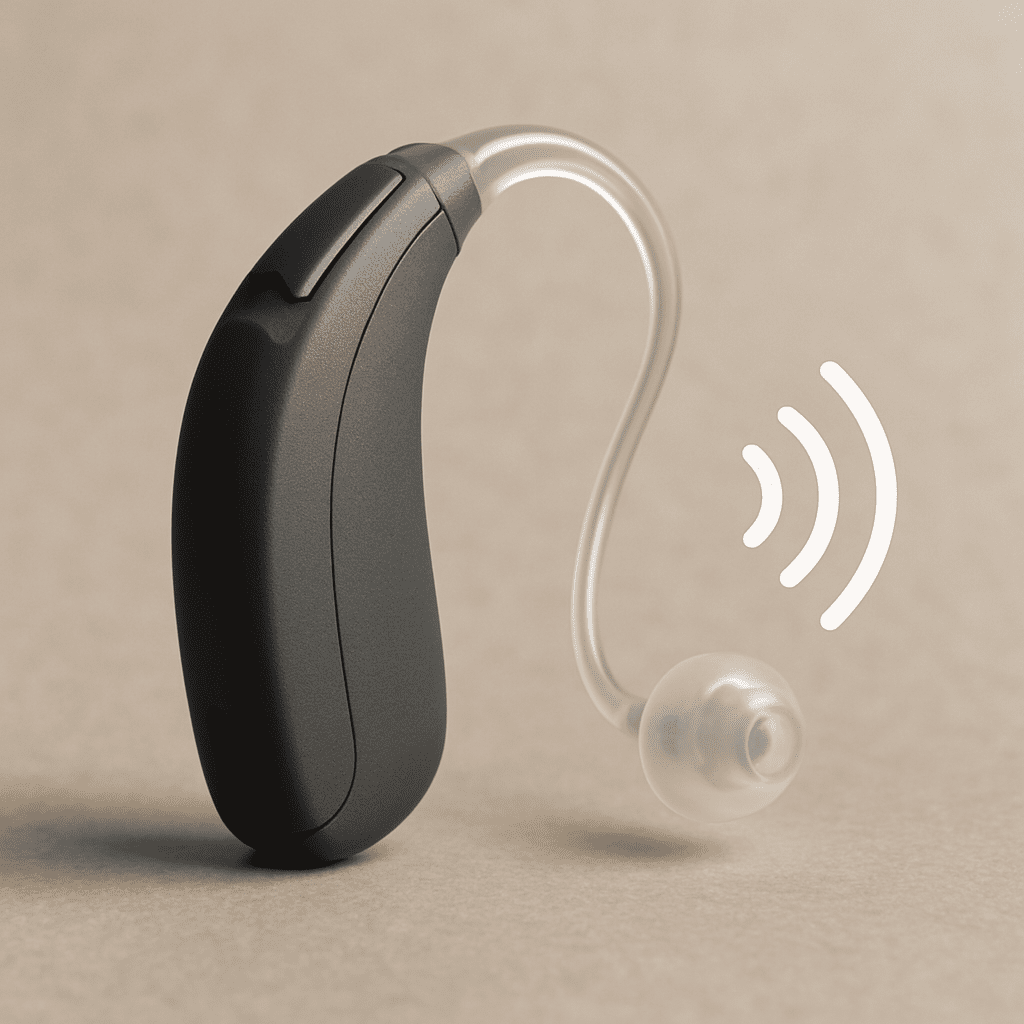
Whether you're interested in pure noise generators or smart Noisemakers and Maskers for Hearing Aids decide – technology is always just one building block on your path. To permanently turn down the internal radio, you need complementary Strategies for Managing Tinnitus in Daily Life, since stress measurably increases your sensitivity to noise.
Relaxation according to Jacobson and noise protection: Self-help in everyday life
Have you noticed that your ringing in the ears often gets louder after a stressful day? This connection is no coincidence, because physical tension acts as an amplifier for internal noise. By specifically relaxing your muscles, you send a signal of safety to the brain, which noticeably reduces your perception of sound.
To break this burdensome cycle, three everyday strategies have proven effective:
- Jacobson's relaxation technique: With this method, you briefly tense muscle groups and then relax them again, which measurably reduces the physical stress associated with tinnitus.
- Smart Sleep Hygiene: Against Sleep disturbances caused by constant whistling A quiet fan or soft nature sounds can help. This provides your brain with a soothing alternative sound at night that gently masks the ringing in your ears.
- Conscious hearing protection: Set simple Workplace Noise Protection Tips Use filtered earplugs in loud situations that dampen harmful noise while still allowing important conversations.
Each of these steps will immediately give you back a valuable piece of control in everyday life. When you combine physical relaxation and targeted acoustic protection, you optimally prepare your brain to let go of the constant noise.
Your Roadmap to Silence: How to Relegate Ringing to the Background
You no longer need to view the ringing in your ears as a constant threat; instead, you can now clearly recognize tinnitus as a symptom—a simple signal from your auditory system. Knowing that your ears aren’t „broken,“ you can immediately implement a three-step plan: First, make a doctor’s appointment to rule out underlying physical causes; second, introduce gentle background sounds, such as a fan, to mask complete silence; and third, practice simple relaxation techniques in the evening to lower your nervous system’s stress levels.
If you apply these strategies for managing tinnitus in your daily life, you’ll stop fighting the noise and instead stop paying attention to it. Just as you effortlessly ignore the constant hum of your refrigerator, your brain will learn to push this phantom noise into the background. You have the ability to retrain your focus and reclaim your inner peace bit by bit.
Quellen
