Influenza

We all know it: that sudden, severe exhaustion that hits out of nowhere and signals that you've caught a winter virus. According to health experts, many people mistakenly assume they've just caught a bad cold. However, clinical influenza is a viral infection – caused by a tiny virus and not treatable bacteria – that hits the body like a sudden storm.

Unlike a common cold, this illness is a sophisticated invader, constantly shifting its identity to evade the immune system's defenses. Global health data reveals that two main variants, Influenza A and Influenza B, primarily drive the seasonal outbreaks that routinely empty our offices and classrooms. As these viruses repeatedly update their genetic code, last year's natural immunity no longer offers complete protection today.

Fortunately, this seasonal intruder can be stopped before it spreads. A successful defense during flu season requires a straightforward, three-step strategy to keep your household healthy: recognize early warning signs, block transmission through targeted hygiene, and effectively utilize annual vaccination.

Head, torso, energy: The 3-point check to distinguish true influenza from a cold

We all know the feeling of a slowly developing cold, but the real flu plays by entirely different rules. As soon as the virus enters the body, the clock starts ticking for the so-called incubation period – the invisible phase between infection and onset of symptoms for seasonal viruses. This usually lasts only one to four days. Instead of gradually feeling sicker, those affected experience a veritable „fall off a cliff“: One moment you're sitting healthy at your desk, and two hours later you're lying completely exhausted in bed.

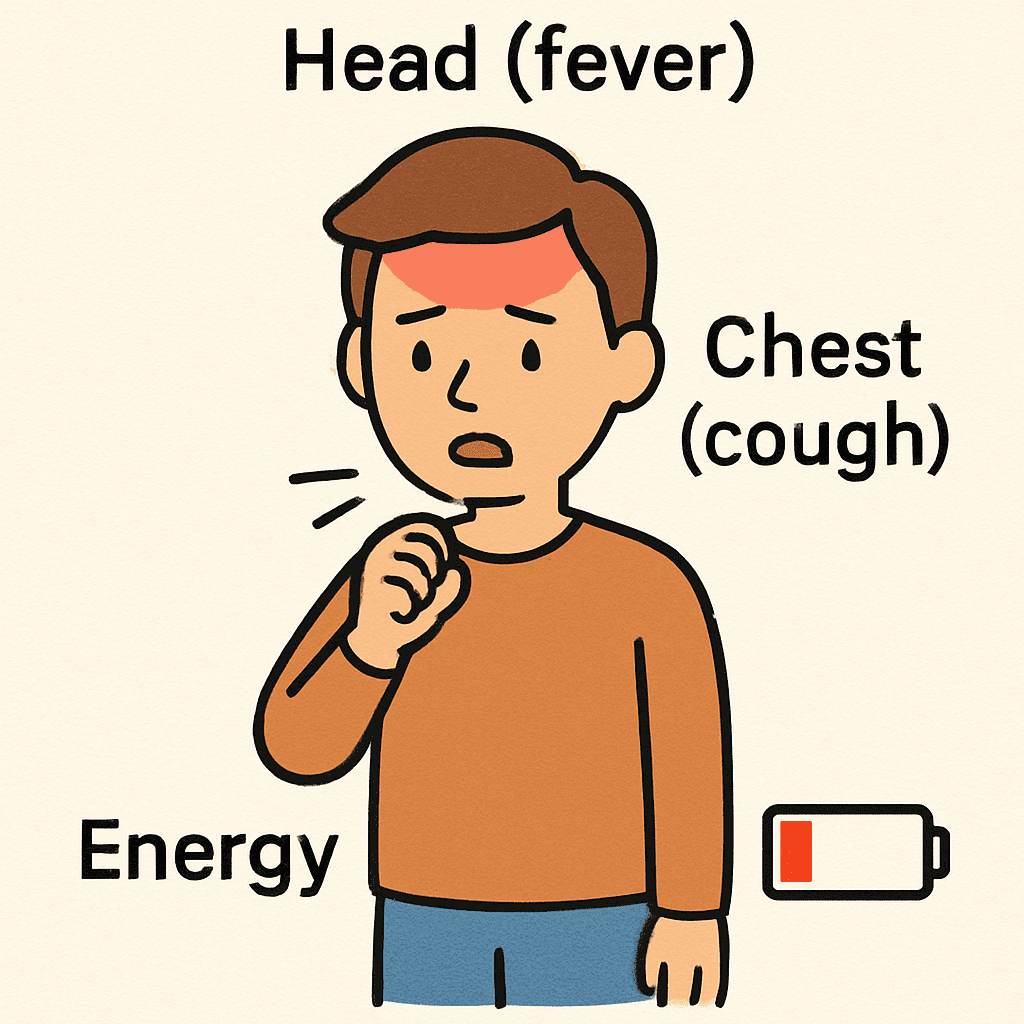
To quickly assess what's happening in your body, the head-chest energy check helps. Health experts use this simple system to distinguish between flu symptoms and a common cold in everyday life. The most definitive warning sign is a sudden, high fever in the „head area,“ which rarely occurs with harmless infections.

When directly comparing, pay attention to these four specific warning signs in your body:

  • Start: Sudden (flu) instead of gradual (cold)
  • Head (fever): Often over 102.2°F (flu) instead of slightly elevated (cold)
  • Chest (Cough): Dry and painful (flu) instead of phlegmy (cold)
  • Energy Severe body aches (flu) instead of mild fatigue (cold)

Properly managing a high fever and body aches at home requires strict rest, as your immune system is currently working overtime like an internal security team. It is therefore crucial to understand how the intruder sneaks in so quickly in the first place, in order to break the chain of infection early.

A simple illustration of a person divided into three zones: Head (fever), Chest (cough), and Energy (battery icon at 5%).

From Door Handles and Spray Mist: How Influenza Spreads and How You Can Break the Chain of Infection

Many believe you have to be directly sneezed on to get infected. In reality, the virus uses two primary transmission routes: airborne and droplet transmission. While heavy particles quickly fall onto surfaces, fine droplets hover as an invisible mist for hours in unventilated rooms. The insidious part is presymptomatic transmission: you're already spreading the virus unknowingly at the office before you even feel sick.

The contamination phase usually begins 24 hours before the first symptoms appear and lasts for about a week. Since the virus can survive on surfaces for up to 48 hours, everyday points of contact in the office quickly become invisible hotspots:

  • Shared keyboards
  • The microwave handle
  • The coffee pot in the break room
  • Links to meeting rooms
  • Elevator buttons

To break this chain, experts recommend effective disinfection and hygiene protocols. Everyday protection begins with washing your hands with soap for 20 seconds – exactly as long as it takes to sing „Happy Birthday“ twice. Combine this with regular airing out to drive away airborne particles. In addition to these external measures, the internal security team also requires targeted preparation through annual vaccination.

Your personal ‚software update‘: Why annual vaccination protects against severe illness

Have you ever wondered why the flu shot needs to be renewed annually? The answer lies in the pathogen's survival strategy, which constantly mutates. Imagine the virus as malicious software that constantly rewrites its code to remain undetected. Your body therefore needs an annual „security patch“ so that your immune defenses can recognize the latest version of the attacker in time before it invades.

This health download trains your body's immunological memory. Vaccination encourages us to form so-called antibodies – tiny defense agents that patrol the bloodstream like an internal security team. This targeted strengthening of the immune response ensures that your team is immediately ready for action in the event of a real viral attack, and the illness proceeds much more mildly.

Fortunately, there are various routes into the body for this protective update today. Depending on your age and personal health status, you often have a choice between a nasal spray and the classic injection from your doctor. The spray, frequently used for children, contains weakened pathogens, while the traditional injection uses only inactive virus components, with both methods reliably conveying the current blueprint.

Some people hesitate before the appointment nonetheless because they often feel slight body aches afterward. These typical side effects of the seasonal flu vaccine do not mean that you are actually sick; your immune system is just going through a demanding training camp. However, if you still feel extremely weak and feverish later in the winter, caution is advised to detect dangerous complications early.

A simple graphic showing a cell phone receiving a security patch notification labeled 'Immune System Update 2024'.

Warning Signs: When the Flu Becomes Dangerous Pneumonia

Sometimes it seems like the worst is already over, but suddenly the fever returns with full force. This deceptive phenomenon is called a secondary infection. While your immune system is exhausted fighting the flu viruses, bacteria, in a manner of speaking, use the unguarded back door into the body. Health experts are particularly warning about the warning signs of bacterial pneumonia, such as a deep, rattling cough or a renewed, severe fever spike after initial improvement.

Fortunately, such a dangerous course does not affect everyone, but special vigilance is advised for individuals at high risk for medical complications. This includes young children, pregnant women, people over 65 years of age, and individuals with chronic conditions such as asthma or diabetes. In these groups, the flu often has an easier time overwhelming the immune system, which is why relatives should monitor the course of the illness very closely from the very first day.

Don't hesitate for a second if the condition worsens and know exactly when emergency medical help is needed. Contact a doctor or emergency services immediately if these warning signs appear:

  • Shortness of breath or extreme breathlessness at rest
  • Persistent pain or strong pressure in the chest
  • Sudden confusion, unresponsiveness, or extreme dizziness

For typical, uncomplicated sick days at home, targeted symptom relief is often sufficient.

Home remedies and antivirals: The right plan against high fever and body aches

People often mistakenly reach for antibiotics when experiencing severe illness symptoms. However, since the flu is caused by viruses and not bacteria, antibiotics are completely powerless against it – they only work against bacterial invaders. Doctors instead rely on prescription antiviral treatments. These medications essentially block the virus's „copying machine“ in the body. However, studies show that this so-called viral replication window is short: antivirals are most effective when taken within the first 48 hours of symptom onset.

If this window of opportunity is missed, the focus will be entirely on treating high fever and body aches at home. Health experts recommend a proven three-step routine for this:

  • Fluid intake: Drink water or tea every hour to replace sweat loss.
  • Rest Your immune system is working overtime – absolute bed rest is mandatory now.
  • Fever control Use proven home remedies like cold compresses or over-the-counter medications to alleviate extreme fever spikes.

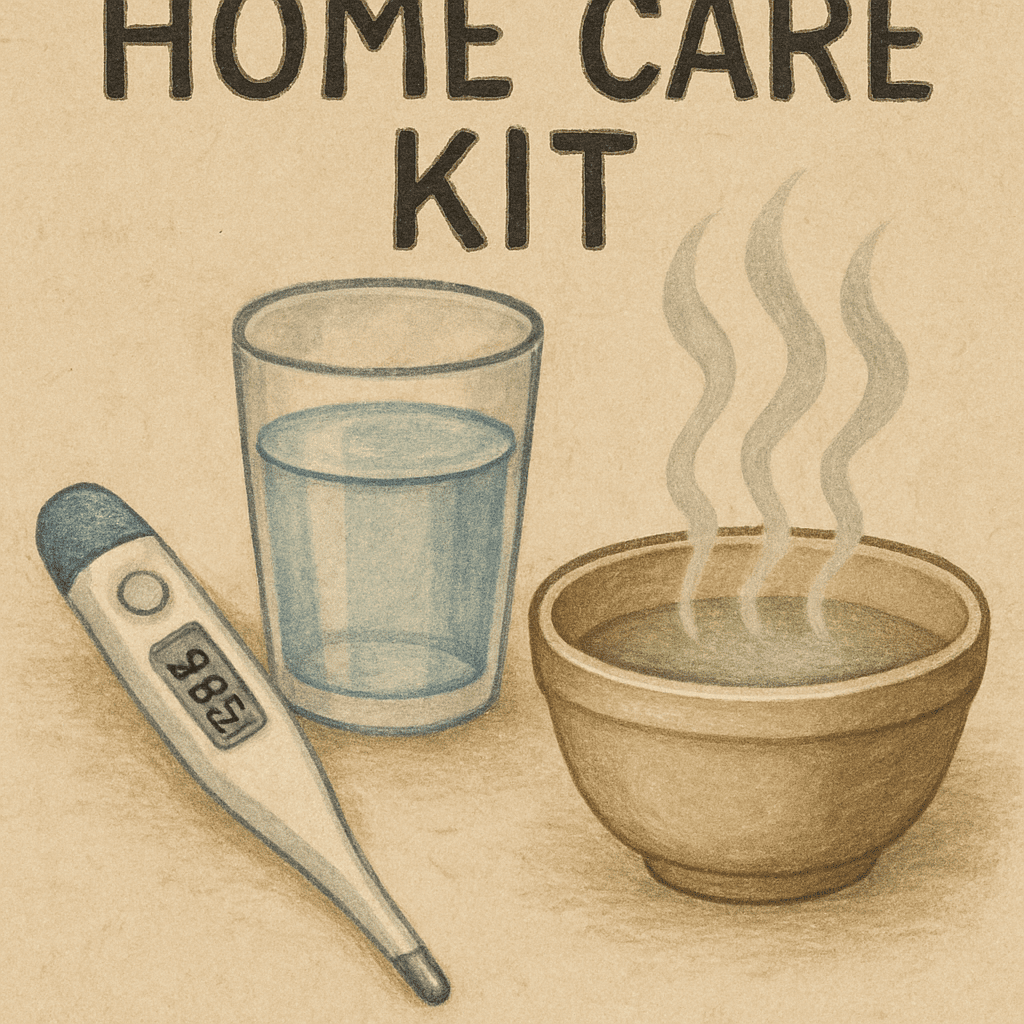
Additionally, natural home remedies for blocked airways make everyday life enormously easier. Classic inhalation with hot steam acts like a gentle shower for your irritated mucous membranes and loosens stuck mucus. When the fever finally subsides, a leaden heaviness often remains, requiring a conscious period of recovery.

A 'Home Care Kit' showing a thermometer, a glass of water, and a steam inhalation bowl.

After the flu, it's time for recovery: how to beat persistent fatigue and get back on track

You may have previously tried to push through this lingering exhaustion, mistaking it for simple weakness. However, after a viral infection, this fatigue is quite simply your body's „clean-up crew“ removing viral remnants. Honoring this process will save you valuable life and work time, rather than returning to daily life too soon and risking a frustrating relapse.

Begin your recovery with the simplest measures: prioritize adequate sleep and focus on nutritious, hydrating foods. These fundamental steps sustainably strengthen your immune response after a severe infection. Every time you choose rest over hustle, you rebuild your fundamental energy safely and effectively.

The flu is not an unpredictable mystery. It's a sophisticated pathogen that requires a proactive defense. As you recover, embrace a simple prevention plan for next season—starting with an annual vaccination to update your body's security. With this practical knowledge, you can best protect yourself and your household.

Scroll to Top