
Rötlicher oder bräunlicher Urin ist ein Anblick, der viele erschreckt. Blut im Urin ist ein Warnsignal, das ernst genommen werden sollte – aber nicht jede Verfärbung steckt hinter einer schweren Erkrankung. Oft stecken gut behandelbare Infekte, Reizungen oder sogar Lebensmittel dahinter.

Sichtbar oder unsichtbar: Makrohämaturie und Mikrohämaturie
Der Fachbegriff für Blut im Urin lautet Hämaturie. Man unterscheidet zwei Formen:
- Gross hematuria Das Blut ist mit bloßem Auge erkennbar. Der Urin erscheint rosa, rot oder colafarben – manchmal sind auch kleine Blutgerinnsel sichtbar.
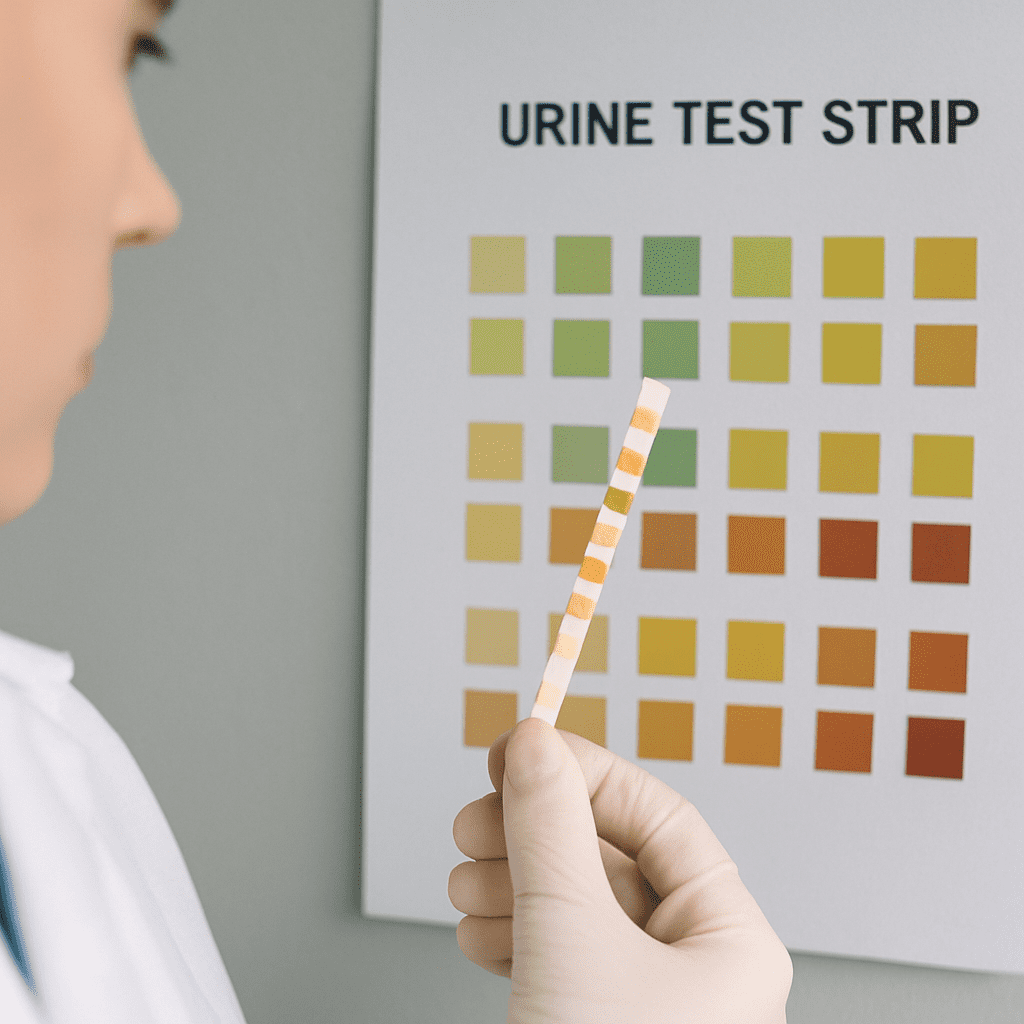
- Microhematuria Das Blut ist unsichtbar, der Urin sieht normal aus. Entdeckt wird sie meist zufällig bei Routineuntersuchungen, etwa per Teststreifen oder Mikroskop.
Wenn Lebensmittel oder Medikamente täuschen
Bevor Sie sich Sorgen machen, lohnt ein kurzer Blick auf die letzten 24 Stunden: Rote Bete, Brombeeren, Rhabarber oder Heidelbeeren können den Urin durch pflanzliche Farbstoffe deutlich röten. Die Verfärbung verschwindet nach wenigen Toilettengängen von selbst.
Auch manche Medikamente färben den Urin rot – darunter bestimmte Antibiotika, Blutverdünner, Schmerzmittel oder Abführmittel mit Sennesblättern. Im Zweifel hilft ein Blick in den Beipackzettel oder ein Gespräch in der Apotheke.
Häufige und ernsthafte Ursachen
Wenn es sich tatsächlich um Blut handelt, gibt es verschiedene Auslöser. Begleitsymptome helfen oft, die Ursache einzugrenzen.
Urinary tract infections and cystitis
Eine Blasenentzündung (Zystitis) ist besonders bei Frauen eine häufige Ursache. Die entzündete Schleimhaut blutet leicht. Typische Begleitsymptome sind:
- Brennen beim Wasserlassen
- Ständiger Harndrang, auch bei leerer Blase
- Lower abdominal pain
- Trüber, mitunter unangenehm riechender Urin
Bei leichten Beschwerden ohne sichtbares Blut können Wärme, viel Trinken und Cranberry-Saft lindernd wirken. Sobald sichtbares Blut auftritt oder Fieber hinzukommt, reichen Hausmittel nicht mehr aus. Dann ist eine ärztliche Untersuchung nötig – meist wird ein Antibiotikum verschrieben, damit die Infektion nicht auf die Nieren übergreift.
Kidney stones and prostate problems
Wandern Nierensteine durch den Harnleiter, verletzen sie die empfindliche Schleimhaut und verursachen Blutungen. Typisch sind starke, wellenartige Flankenschmerzen, die in Rücken oder Leiste ausstrahlen, oft begleitet von Übelkeit.
Bei Männern ab etwa 50 Jahren kann eine vergrößerte Prostata kleine Gefäße zum Bluten bringen. Eine Prostataentzündung (Prostatitis) äußert sich zusätzlich durch Fieber, Schmerzen im Dammbereich und Schmerzen bei der Ejakulation.
Schmerzlose Blutung: Immer abklären
Fehlen die Schmerzen, bedeutet das keine Entwarnung – im Gegenteil. Schmerzloses Blut im Urin kann auf Tumore an Niere, Harnleiter oder Blase hinweisen und sollte daher immer urologisch abgeklärt werden. Blasenkrebs fällt häufig durch unregelmäßig auftretende, schmerzlose Makrohämaturie auf.

Sonderfälle: Sport und Haustiere
Blut im Urin nach intensivem Sport (Marschhämaturie) ist ein bekanntes Phänomen. Starke Erschütterungen und vorübergehende Minderdurchblutung der Nieren können kleine Blutungen auslösen. Sie klingen meist nach ein bis zwei Tagen von allein ab.
Katzen: Blut im Urin ist auch bei Katzen ein ernstes Zeichen – häufig für Blasensteine, Harnwegsinfekte oder die feline idiopathische Zystitis. Bei Katern kann ein blockierter Harnweg schnell gefährlich werden. In diesem Fall sollte das Tier umgehend zum Tierarzt.
When to see a doctor? Process and diagnostics
Erster Ansprechpartner ist meist der Hausarzt, der eine Urinprobe veranlasst und bei Bedarf an einen Urologen überweist.
Sofort in die Notaufnahme, wenn:
- Blutgerinnsel den Harnfluss blockieren (Gefahr eines Harnverhalts)
- Hohes Fieber und Schüttelfrost hinzukommen (Verdacht auf Urosepsis)
- Unerträgliche, kolikartige Schmerzen auftreten
- Schwindel, Schweißausbruch oder starke Blässe auftreten
In weniger akuten Fällen beginnt die Diagnostik mit einer Anamnese, dann folgen körperliche Untersuchung und Ultraschall von Nieren und Blase. Im Labor wird der Urin auf Bakterien und auffällige Zellen untersucht. Reicht das nicht zur Diagnose, folgt eine Blasenspiegelung (Zystoskopie): Eine flexible Kamera wird durch die Harnröhre in die Blase eingeführt. Mit modernen Betäubungsgelen ist die Untersuchung in der Regel gut verträglich und dauert nur wenige Minuten.
Conclusion
Blut im Urin sollte immer ärztlich abgeklärt werden – egal ob die Ursache ein Infekt, ein Nierenstein oder etwas anderes ist. Je früher die Ursache gefunden wird, desto besser lässt sie sich behandeln.
