
Causes and Tips for Reducing Bloating
Blähungen, medizinisch als Flatulenz bezeichnet, sind ein häufiges Verdauungsproblem. Sie sind meist harmlos, können aber unangenehm sein. Dieser Artikel erklärt die häufigsten Ursachen und was dagegen helfen kann.
What is bloating?
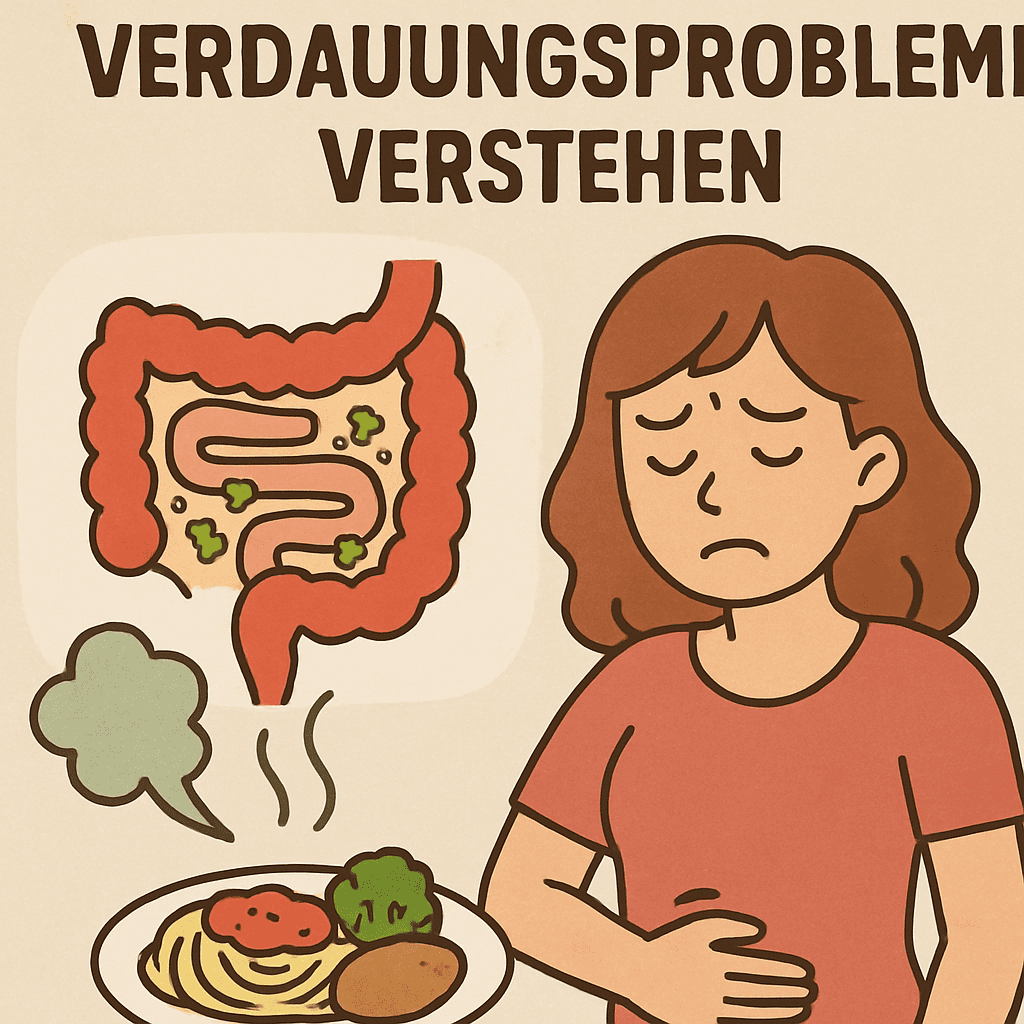
Blähungen entstehen, wenn sich Gase im Verdauungstrakt ansammeln – durch geschluckte Luft oder durch Gärungsprozesse bei der Verdauung. Der Körper gibt diese Gase durch Aufstoßen oder Flatulenz ab. Gelegentliche Blähungen sind normal; treten sie häufig und stark auf, kann eine andere Ursache dahinterstecken.
Main causes of bloating
Nutrition
Bestimmte Lebensmittel sind schwer verdaulich oder enthalten Zuckerarten, die im Darm vergären. Dazu gehören:
- Beans and legumes
- Types of cabbage like broccoli and cauliflower
- Onions and garlic
- Whole grains
- Zuckeralkohole aus zuckerfreien Produkten
Intolerances and allergies
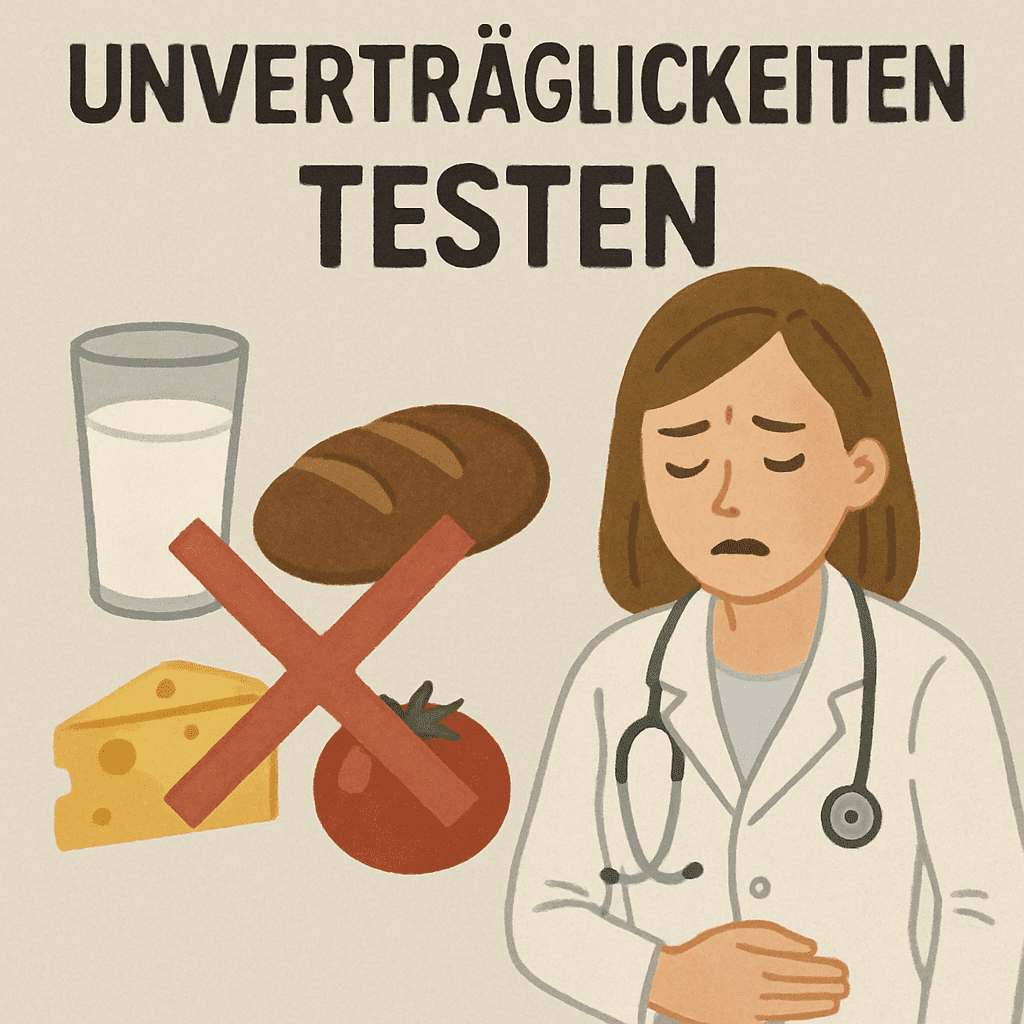
Nahrungsmittelunverträglichkeiten können Blähungen verursachen. Bei Laktoseintoleranz fehlt das Enzym, das Milchzucker abbaut, was zu Gasbildung führt. Bei Zöliakie löst Gluten eine Reaktion im Darm aus, die ebenfalls Blähungen verursachen kann.
Digestive disorders
Erkrankungen wie Reizdarmsyndrom, chronische Verstopfung oder gastroösophageale Refluxkrankheit beeinflussen die Verdauung und können zu vermehrter Gasbildung führen.
Lifestyle factors
Schnelles Essen, kohlensäurehaltige Getränke und Kaugummikauen führen dazu, dass mehr Luft geschluckt wird, was Blähungen begünstigt.
Tips and home remedies for bloating
Nutritional adjustments
- Langsam essen, um weniger Luft zu schlucken.
- Kleine, häufige Mahlzeiten statt großer Portionen.
- Ernährungstagebuch führen, um auslösende Lebensmittel zu erkennen.
- Probiotika können das Gleichgewicht der Darmflora unterstützen und Gasbildung reduzieren.
Home remedies
- Ingwer: als Tee oder in Speisen kann er die Verdauung unterstützen.
- Pfefferminzöl-Kapseln: können laut Studien Blähungen und andere Verdauungsbeschwerden lindern.
- Kamillentee: wirkt entspannend auf den Verdauungstrakt.
Lifestyle changes
- Regelmäßige Bewegung fördert die Verdauung.
- Stress kann die Verdauung beeinträchtigen; Entspannungsmethoden wie Yoga oder Meditation können helfen.
When should you see a doctor?
Bei folgenden Beschwerden sollte man ärztlichen Rat einholen:
- Anhaltende oder starke Bauchschmerzen
- Unbeabsichtigter Gewichtsverlust
- Blut im Stuhl
- Anhaltende Übelkeit oder Erbrechen
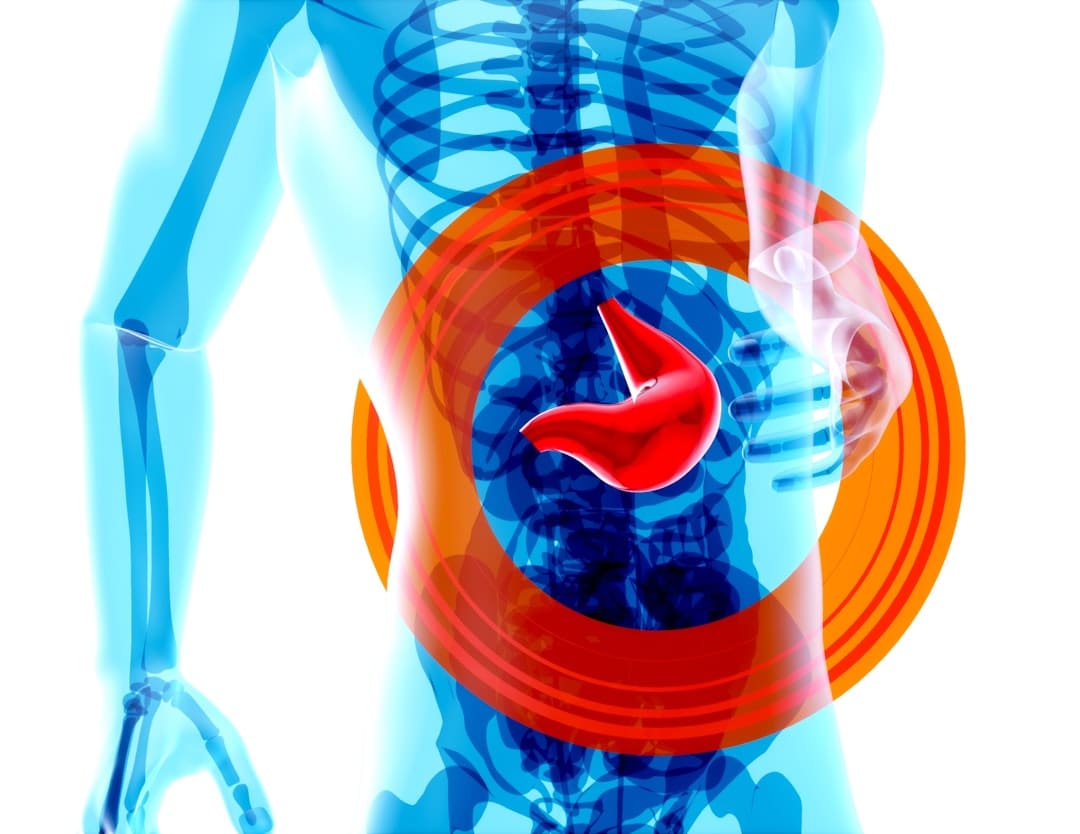
by Julien Tromeur (https://unsplash.com/@julientromeur)
Conclusion
In vielen Fällen lassen sich Blähungen durch Ernährungsumstellungen und kleine Alltagsänderungen deutlich reduzieren. Halten die Beschwerden an oder kommen weitere Symptome hinzu, sollte man das ärztlich abklären lassen.
Quellen
