
Nicht die kalten Steine sind schuld, sondern Bakterien, die in die Harnwege eindringen. Um die Infektion zu stoppen, müssen die Harnwege durchgespült werden – mit viel Flüssigkeit, gezielten Hausmitteln wie D-Mannose oder, wenn nötig, mit ärztlicher Behandlung.
Brennen und ständiger Harndrang – typische Zeichen einer Blasenentzündung
Wenn der Harndrang ständig da ist, aber nur wenige Tropfen kommen, deutet das auf einen Harnwegsinfekt (HWI) hin. Typische Symptome:
- Häufiger Harndrang tagsüber und nachts
- Brennen oder schneidende Schmerzen beim Wasserlassen
- Trüber Urin oder veränderter Geruch
Manchmal klingen solche Beschwerden durch viel Trinken von selbst ab. Bei einer bakteriellen Infektion haften die Erreger jedoch an der Blasenwand fest – dann reicht abwarten nicht.

Warum Frauen häufiger betroffen sind
Der Grund liegt in der Anatomie: Die weibliche Harnröhre ist mit etwa vier Zentimetern deutlich kürzer als die männliche. Bakterien aus dem Darmbereich haben dadurch einen kurzen Weg in die Blase.
Hauptverursacher ist meist das Darmbakterium Escherichia coli. Es besitzt kleine Haftelemente (Pili), mit denen es sich an der Blasenwand festsetzt und gegen den Urinstrom nach oben wandern kann. Bloßes Abwarten hilft dagegen wenig.
Hausmittel: Was hilft beim akuten Infekt
Das wichtigste Mittel ist viel trinken. Zwei bis drei Liter Wasser täglich erzeugen einen Spüleffekt, der Bakterien aus der Blase schwemmt, bevor sie sich festsetzen können. Spezielle Nieren-Blasen-Tees können diesen Effekt ergänzen und wirken teils leicht desinfizierend.
Zusätzlich hilft Wärme: Eine Wärmflasche auf dem Bauch entspannt die verkrampfte Blasenmuskulatur und lindert den Schmerz.
Bewährt hat sich dieses Vorgehen:
- Drink a lot Zwei bis drei Liter täglich für den Spüleffekt.
- Heat Eine Wärmflasche entspannt die Beckenregion.
- Sitzbad: Ein warmes Sitzbad mit Kamillenzusatz beruhigt zusätzlich.

D-Mannose und Cranberry zur Vorbeugung
Wenn viel Trinken allein nicht ausreicht, kann D-Mannose helfen. Dieser Einfachzucker bindet die Haftstrukturen der Bakterien, sodass diese sich nicht mehr an der Blasenwand festsetzen und mit dem Urin ausgespült werden. Besonders zur Vorbeugung wiederkehrender Infekte wird D-Mannose eingesetzt.
Cranberry-Kapseln enthalten Pflanzenstoffe, die einen ähnlichen Effekt haben: Sie erschweren es Bakterien, an der Blasenschleimhaut zu haften. Beide Mittel können als Ergänzung sinnvoll sein, ersetzen aber bei einem bestehenden Infekt keine ärztliche Abklärung.
Wann zum Arzt – Zeichen einer Nierenbeckenentzündung
Steigen die Bakterien bis in die Nieren auf, reichen Hausmittel nicht mehr. Diese Zeichen erfordern eine ärztliche Abklärung:
- Fever or chills
- Schmerzen im unteren Rücken oder in den Flanken
- Blood in urine
- Übelkeit oder Erbrechen
- Schweres, plötzliches Krankheitsgefühl
Wenn Antibiotika verordnet werden, sollte die Einnahme konsequent bis zum Ende durchgeführt werden. Wird die Therapie zu früh abgebrochen, können resistente Bakterien überleben und den nächsten Infekt schwerer behandelbar machen.
Alltagsgewohnheiten, die Infekte verhindern können
Beim Abwischen nach dem Toilettengang gilt: immer von vorne nach hinten, damit Darmbakterien nicht in Richtung Harnröhre gelangen. Nach dem Geschlechtsverkehr sollte man möglichst zeitnah zur Toilette gehen – das spült eingedrungene Bakterien mechanisch aus.
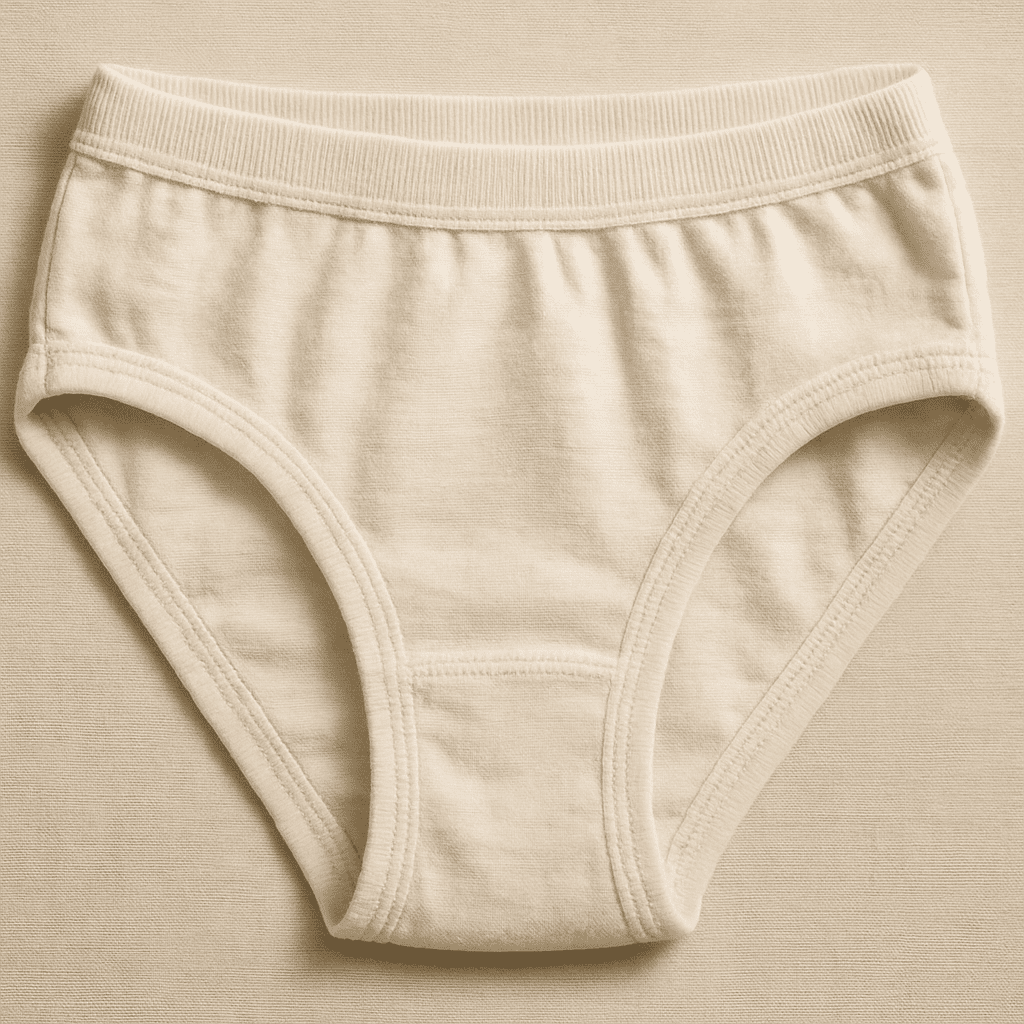
Synthetische Unterwäsche staut Wärme und Feuchtigkeit, was Bakterien begünstigt. Atmungsaktive Baumwollwäsche ist hier die bessere Wahl.
Zusammenfassung: Was wirklich hilft
Bei den ersten Anzeichen hilft es, sofort viel zu trinken und bei Bedarf D-Mannose einzusetzen. Einfache Hygienemaßnahmen im Alltag können das Risiko wiederkehrender Infekte deutlich senken. Bei Fieber, Rückenschmerzen oder starkem Krankheitsgefühl gehört ein Arztbesuch nicht aufgeschoben.
Quellen
