
Migräne ist eine chronische Erkrankung des Nervensystems mit wiederkehrenden, anfallsartigen Kopfschmerzattacken. Sie beeinträchtigt den Alltag vieler Betroffener erheblich. Sowohl medizinische als auch naturheilkundliche Behandlungsmöglichkeiten stehen zur Verfügung.
Was ist eine Migräne?
Schwere Kopfschmerzen werden oft vorschnell als Migräne bezeichnet. Medizinisch handelt es sich dabei um unterschiedliche Erkrankungen. Die Migräne ist durch wiederkehrende Anfälle mit starker Überempfindlichkeit des sensorischen Systems gekennzeichnet.
Typische Symptome
Die Ausprägung einer Attacke variiert von Person zu Person. Häufige Symptome sind:
- Throbbing, pulsing pain Der Schmerz fühlt sich oft an, als würde er im Takt des Herzschlags pochen.
- One-sidedness Bei etwa 60 Prozent der Betroffenen konzentriert sich der Schmerz auf eine Kopfhälfte, meist hinter dem Auge, an der Schläfe oder im Stirnbereich.
- Strengthening through physical activity: Schon leichtes Treppensteigen oder Bücken kann den Schmerz verschlimmern.
- Side effects: Übelkeit, Erbrechen sowie Licht-, Lärm- und Geruchsempfindlichkeit sind häufig.
Spannungskopfschmerz und Migräne unterscheiden
Ein Spannungskopfschmerz fühlt sich dumpf und beidseitig drückend an. Die Migräne tritt dagegen meist halbseitig, pulsierend und mit höherer Intensität auf. Während leichte Bewegung bei Spannungskopfschmerzen lindernd wirken kann, zwingt die Migräne Betroffene meist zur Bettruhe.
The four phases of a migraine attack
Eine Migräneattacke erstreckt sich oft über Tage und lässt sich in vier Phasen unterteilen. Nicht jeder durchläuft alle davon.
- Prodromalphase (Vorbotenphase): Stunden bis Tage vor dem Kopfschmerz können extreme Müdigkeit, Heißhunger, Stimmungsschwankungen, Nackensteifigkeit oder vermehrter Harndrang auftreten.
- Auraphase: Occurs in only about 15 to 20 percent of those affected.
- Kopfschmerzphase: Der Höhepunkt der Attacke. Unbehandelt dauert sie zwischen 4 und 72 Stunden.
- Rückbildungsphase (Postdromalphase): Der Schmerz klingt ab, hinterlässt Betroffene aber oft erschöpft und konzentrationsschwach.
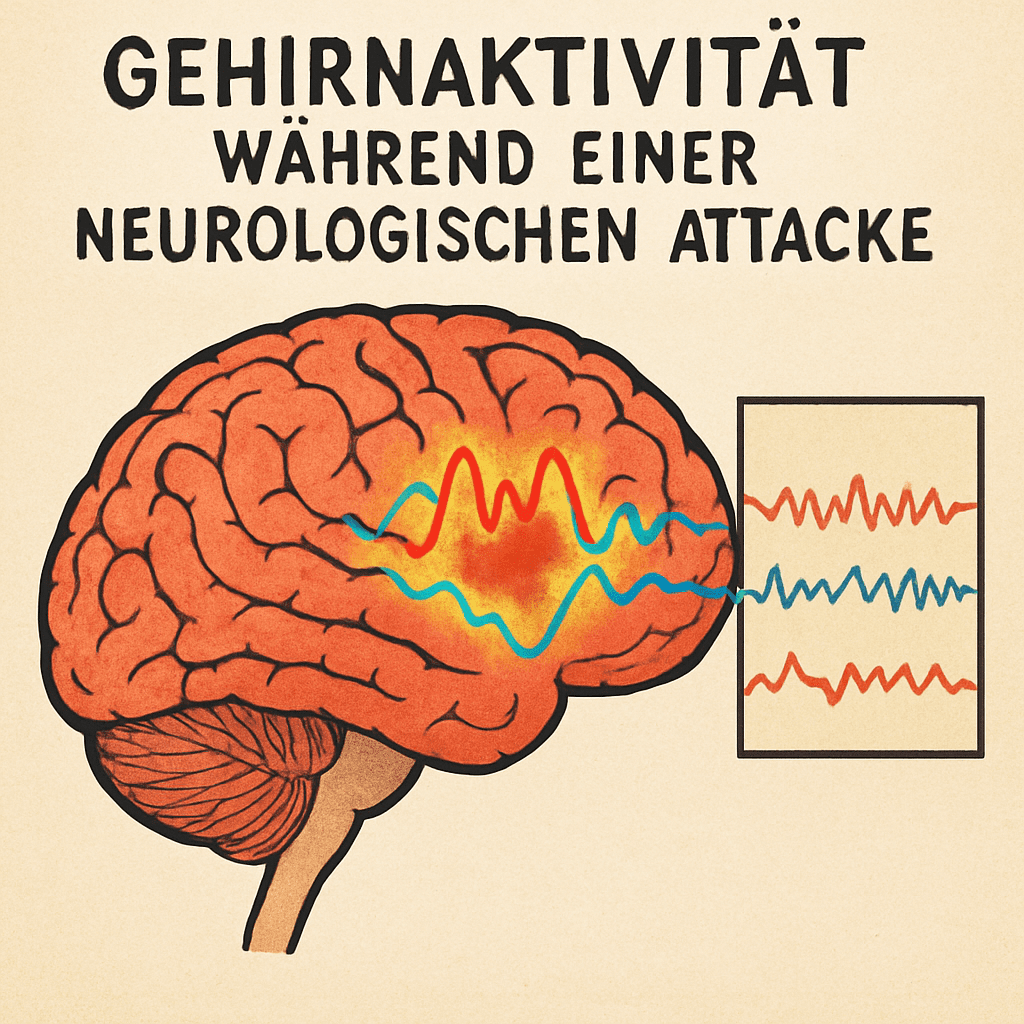
The phenomenon of the aura
Bei der Migraine with aura gehen neurologische Ausfallerscheinungen dem eigentlichen Schmerz voraus oder begleiten ihn.
Aura-Symptome erkennen
Eine Aura kann beim ersten Erleben beängstigend sein, da die Symptome denen eines Schlaganfalls ähneln. Wer seine persönlichen Aura-Zeichen kennt, kann frühzeitig Medikamente einnehmen. Häufige Aura-Phänomene sind:
- Visual disturbances Das sogenannte Flimmerskotom beginnt oft als kleiner blinder Fleck, der sich vergrößert und an den Rändern gezackt und flimmernd erscheint. Auch Lichtblitze, Zickzack-Linien oder ein teilweiser Gesichtsfeldausfall sind typisch.
- Sensory disturbances: Ein Kribbeln beginnt meist in den Fingerspitzen und breitet sich über den Arm bis ins Gesicht und zu den Lippen aus, gefolgt von einem Taubheitsgefühl.
- Speech disorders Schwierigkeiten beim Wortfinden, undeutliche Sprache oder vermindertes Sprachverständnis.
Diese Symptome entwickeln sich typischerweise über 5 bis 20 Minuten und klingen nach spätestens 60 Minuten wieder ab.
Neue neurologische Ausfälle abklären lassen
Bisher unbekannte neurologische Ausfälle sollten immer ärztlich abgeklärt werden. Bei plötzlich auftretenden Sehstörungen ist eine neurologische Untersuchung notwendig, um schwerwiegendere Erkrankungen wie Durchblutungsstörungen des Gehirns oder Augeninfarkte auszuschließen.
Special Considerations in Childhood and Adolescence
Migräne betrifft auch Kinder und Jugendliche. Die Symptome unterscheiden sich dabei oft von denen bei Erwachsenen. Attacken sind meist kürzer und treten häufiger beidseitig auf. Bei sehr jungen Kindern zeigt sich statt Kopfschmerzen oft das sogenannte abdominelle Migränesyndrom: krampfartige Bauchschmerzen, Übelkeit, Blässe und Erbrechen. Erst in der Pubertät entwickelt sich das typische Bild mit Kopfschmerzen.
Wenn ein Kind plötzlich sehr lichtempfindlich ist, sich zurückziehen möchte und über unerklärliche Bauch- oder Kopfschmerzen klagt, können eine abgedunkelte Umgebung, Ruhe und Schlaf erste hilfreiche Maßnahmen sein.
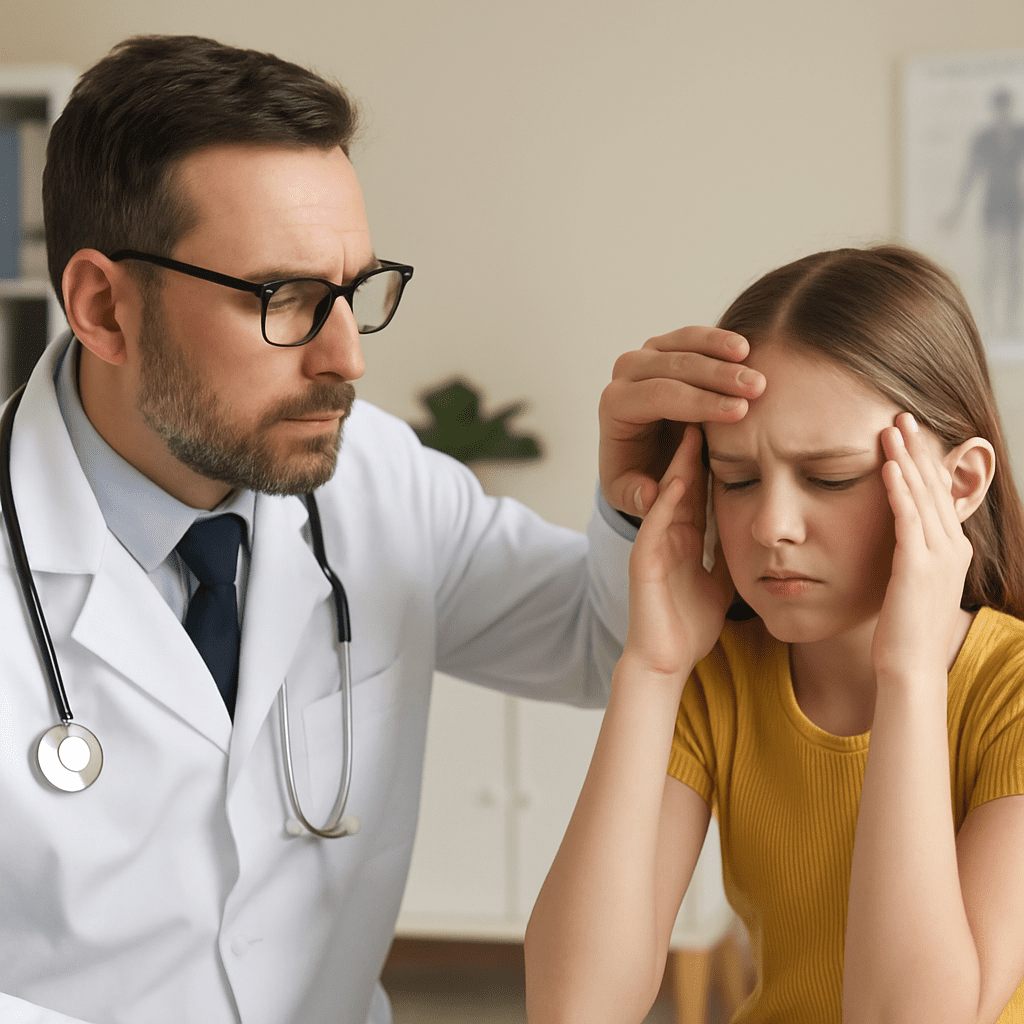
Causes and Triggers: What triggers the pain?
The exact cause of migraines has not yet been fully deciphered. Scientists assume a genetic predisposition, in which the brains of affected individuals react hypersensitively to internal and external stimuli. This leads to an excessive release of inflammatory messenger substances (like CGRP) in the blood vessels of the meninges, which triggers the throbbing pain.
However, the individual attacks are triggered by so-called „triggers.“ These triggers are highly individual. What inevitably leads to an attack in person A can leave person B completely unharmed.
The Role of Diet: Histamine and Company.
Nutrition plays a central role for many affected individuals. In particular Histamine-containing foods as triggers are well-known in neurological practice. Histamine is a tissue hormone and neurotransmitter that dilates blood vessels – precisely the mechanism that causes pain during a migraine attack.
Foods that are high in histamine or that promote the body's own histamine release (so-called histamine liberators) should be consumed with caution by sensitive individuals. These include:
- Aged cheese (Camembert, Brie, Parmesan)
- Red wine and sparkling wine
- Smoked or highly processed meats and sausages (salami, ham)
- Chocolate and cocoa
- Tomatoes, citrus fruits, and strawberries
- Flavor enhancers (glutamate), often found in convenience foods or soy sauce.
Hormonal fluctuations
Women are affected by migraines about three times more often than men. This is due to the female hormonal cycle. The sudden drop in estrogen levels shortly before menstruation is a strong trigger.
Who Preventing cycle-related neurological complaints wants to carefully observe their body. For pure menstrual migraines, gynecologists and neurologists can jointly develop strategies. This ranges from the targeted, short-term intake of long-acting painkillers or special triptans in the days before the period to taking hormone preparations that stabilize the cycle (e.g., the pill in a long cycle) to completely eliminate hormonal fluctuations.
Stress and the „Weekend Effect“
It's paradoxical: Migraines often don't occur during the peak of stress, but precisely when the stress subsides—on weekends or at the start of a vacation. The body, which has been under adrenaline for days, winds down, and this sudden „letting go“ triggers the oversensitive nervous system.
Irregular sleep (both too much and too little), shift work, dehydration, extreme weather changes (föhn winds), or bright, flickering light can also be triggers.
Diagnosis and the most powerful tool: the diary
There is no blood test or scan that can definitively confirm a migraine. The diagnosis is made purely on clinical grounds, based on the patient’s medical history and the ruling out of other causes.
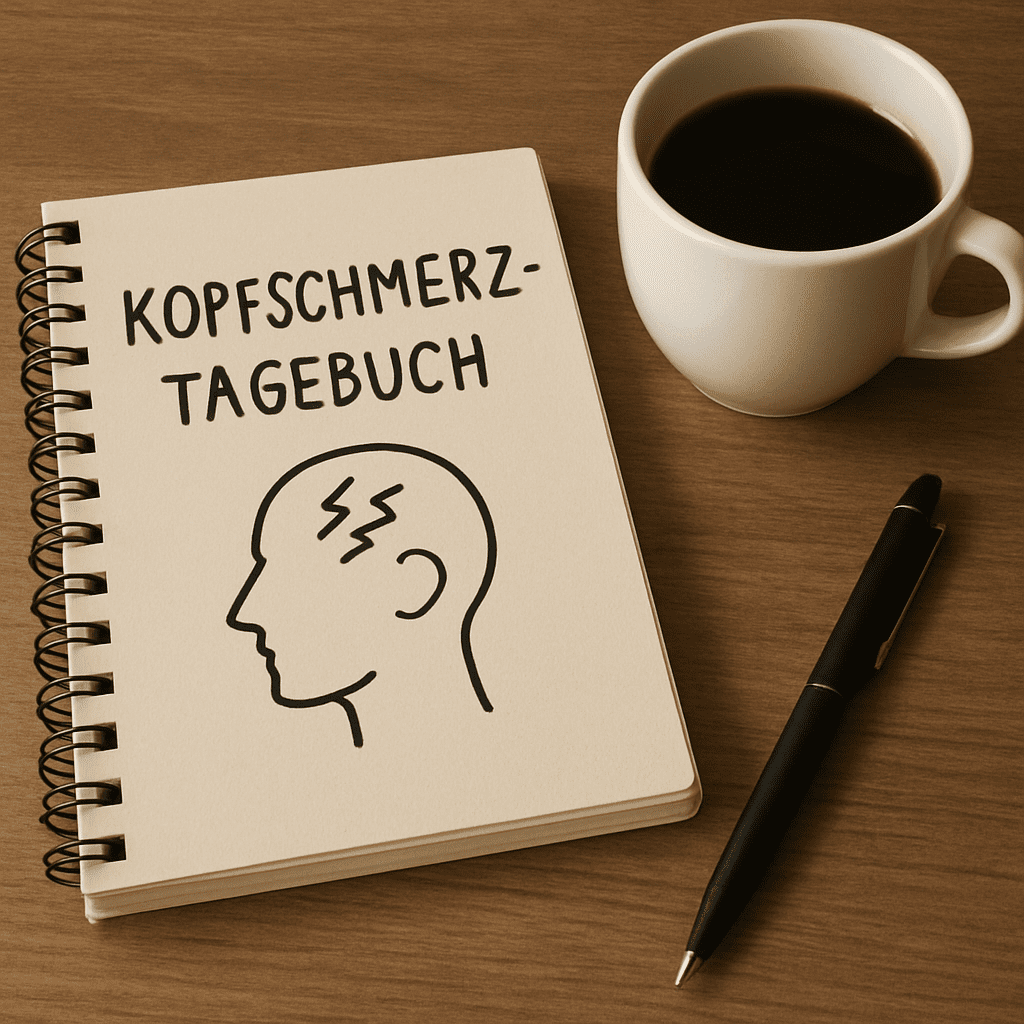
The Headache Diary
To recognize patterns, identify triggers, and check the effectiveness of medications, there is an indispensable tool. Every patient should, at least for a few months, keep a How to Keep a Headache Diary Properly.
But how do you keep it „properly“? A good diary shouldn’t just include a „yes/no“ entry for each date. It needs to be detailed without overwhelming the patient. The following information should be recorded:
- Date and time: When did the pain start, and when did it stop?
- Pain intensity: On a scale of 1 (very easy) to 10 (unbearable).
- Pain characteristics and location: Stabbing, pricking, dull? One-sided or bilateral?
- Accompanying symptoms Aura, nausea, light sensitivity?
- Possible triggers: What did you eat? Was there stress? Did you have your period? How was the weather?
- Medication What medication did you take, when, and in what dosage? And importantly: Did it work?
Today, there are excellent smartphone apps that not only track this data but also analyze it statistically and can export it as a clear PDF for your doctor's appointment.
Emergency Assistance: The Emergency Plan for an Attack
Despite all precautions, not every attack can be avoided. In this case, the motto is: act quickly and decisively.
What to do in case of an acute attack?
The most important rule is: Don't hesitate for too long. Waiting in the hope that „it will get better on its own“ wastes valuable time. Once the pain cascade in the brain is in full swing, it becomes harder for medications to reach their target site, and the pain becomes refractory (unresponsive to therapy). What to do in case of an acute attack, is therefore a question that everyone affected should be able to answer with a clear, medically coordinated emergency plan.
Radiation shielding in a dark room
Even before medication can be taken, the brain must be protected from further stimuli. Immediate Radiation shielding in a dark room is instinctively the right thing for most patients. Retreat, close the curtains, turn off all electronic devices (no phone, no TV), and ensure absolute silence. A dark, well-ventilated room helps the overstimulated nervous system calm down. Lie down and try to sleep, if possible. Sleep is often the brain's best natural „reset button.“.
Drug therapy for acute treatment: Triptans and others.
For mild to moderate attacks, classic painkillers (analgesics) such as ibuprofen, acetylsalicylic acid (ASA), or paracetamol are often sufficient in a sufficiently high dosage. They are often combined with caffeine, which accelerates absorption in the gastrointestinal tract.
But what if that's not enough? This is where the most important drug class in modern migraine therapy comes into play: Triptans.
Anyone using triptans should be mindful of Triptan effects and side effects to be well-informed. They act completely differently than normal painkillers. Triptans mimic the effect of the messenger substance serotonin in the brain (they are so-called serotonin receptor agonists). They dock specifically onto the dilated blood vessels in the brain, constrict them back to their normal size, and simultaneously block the release of further inflammatory substances.
Important information regarding effects:
- Triptans work only for migraines and cluster headaches, not for tension headaches.
- They should be taken as early as possible – however not during the aura phase, but only when the headache begins.
- They are available as tablets, orally disintegrating tablets, nasal sprays, or injections. Sprays and injections work extremely quickly and are ideal when nausea makes swallowing tablets impossible.
Possible side effects: Because triptans have a vasoconstricting effect, they can cause short-term symptoms in the rest of the body. Typical symptoms include feelings of heat or cold, tingling, dizziness, and a feeling of tightness in the chest or throat. The latter is often harmless but can be frightening. For the same reason, triptans must not be not can be taken by patients with uncontrolled hypertension, coronary heart disease (CHD), or after a stroke.
Symptom management: For nausea and photophobia
A migraine attack often paralyzes the entire gastrointestinal tract. The stomach no longer empties, medications lie uselessly there and are not absorbed into the bloodstream. In order to Relieve migraines, light sensitivity, and nausea to be able to do so, doctors often prescribe antiemetics (medications for nausea, such as metoclopramide or domperidone).
The antiemetic should always be given approximately 15 to 20 minutes bear should be taken along with the actual painkiller. It not only relieves the agonizing nausea but also gets the stomach moving again. This way, the subsequent painkiller (or triptan) can reach the small intestine much faster and more effectively and be absorbed by the blood.
Light sensitivity can only be acutely alleviated by dimming the lights or wearing special migraine glasses (with tinted lenses, often FL-41 tint), which filter out specific blue-green light wavelengths.
Naturopathy and home remedies for throbbing headaches
In addition to conventional Western medicine, there are numerous complementary and alternative therapies. Those who wish to treat mild ailments or reduce medication use can turn to Home remedies for throbbing headaches fall back
- Peppermint oil Generously applied to the temples, forehead, and neck, 10% peppermint oil provides muscle relaxation through its cooling effect and blocks pain receptors. Studies show that it can be as effective as acetaminophen for mild attacks.
- Cold applications: A cool pack or a cold washcloth on the forehead or nape of the neck constricts the blood vessels and relieves throbbing. (Caution: Some patients respond better to warmth on the nape of the neck; experimentation is required here.).
- Ginger Fresh ginger tea or ginger drops have a natural antiemetic (anti-nausea) and mild anti-inflammatory effect.
- Caffeine plus lemon: A strong espresso with the juice of half a lemon. The caffeine constricts blood vessels, while the vitamin C in the lemon can support the body's pain inhibition. A popular home remedy when the attack is just starting.
Long-term prevention: Breaking the vicious cycle
Taking painkillers should occur on a maximum of 10 days per month. If taken more frequently, there is a risk of so-called „medication-overuse headache“ (MOH) – the body paradoxically reacts to the withdrawal of painkillers with new headaches.
Anyone who suffers from migraines more than three to four times a month, whose attacks are extremely long or untreatable, should seriously consider prophylaxis. The goal is to reduce the frequency, duration, and intensity of attacks by at least 50 percent.
Medical prophylaxis
There are a variety of active ingredients that have proven themselves. Preventive medications for prophylaxis however, they usually need to be taken daily and over several months before they show their full effect. Classic medications include:
- Beta-blocker Originally blood pressure reducers (e.g., Metoprolol, Propranolol), they dampen the overexcitability of the brain.
- Antidepressants In particular, amitriptyline in very low doses modulates pain processing in the brain while improving sleep quality.
- Anticonvulsants Medications from epilepsy treatment (e.g., topiramate) stabilize nerve cell membranes.
- Botulinum Toxin (Botox): With chronic migraines (more than 15 headache days per month), Botox is injected into specific head and neck muscles. It blocks the release of pain messengers.
- CGRP Antibodies (The Migraine Shot): The most revolutionary innovation in recent years. These monoclonal antibodies (like erenumab or fremanezumab) are injected once a month. They specifically block the inflammatory messenger substance CGRP or its receptor. For many severely affected patients, this was an absolute game-changer.
Micronutrients: The Power of Minerals
Even a gentler approach can achieve a lot. A significant deficiency in certain nutrients can lower the brain's threshold for irritation. Particularly high-dose Magnesium for chronic headaches has proven effective in numerous studies. Magnesium stabilizes cell membranes and prevents nerves in the brain from firing excessively. It also has a muscle-relaxing effect.
Neurologists often recommend taking 600 milligrams of elemental magnesium per day (preferably as magnesium citrate or glycinate, as these are well-tolerated). Vitamin B2 (riboflavin, 400 mg daily) and coenzyme Q10 (150 mg daily) can also strengthen the energy metabolism of nerve cells (the mitochondria) and thus have a prophylactic effect. Since high-dose magnesium can have a laxative effect, the dose should be increased slowly.
Relaxation Techniques and Stress Management
Since stress is one of the main triggers, actively reducing tension is crucial. Yoga, Tai Chi, meditation, and autogenic training are valuable tools.
However, the best scientifically researched and proven treatments for migraines are Relaxation exercises according to Jacobson for stress, also known as Progressive Muscle Relaxation (PMR). Edmund Jacobson's principle is simple yet extremely effective: Different muscle groups of the body are consciously tensed strongly for a few seconds, one after another, and then deeply relaxed. The focus is on the contrast between tension and the deep relaxation that follows. Through regular practice (ideally 15 to 20 minutes daily), the nervous system learns to perceive and „let go“ of muscular tension and nervous overstimulation early on, even in stressful everyday life. This significantly lowers the baseline tension level and removes the breeding ground for migraines.
Living with Migraine: A Regulated Routine
Besides medication and relaxation exercises, a consistent life rhythm is paramount for migraine patients. The migraine brain loves routines and hates surprises.
- Sleep hygiene: Go to bed and get up at the same time every day, including weekends. Sleeping in too late on Sundays often triggers so-called weekend migraines.
- Keep blood sugar levels stable: Do not skip meals. A drop in blood sugar (hypoglycemia) is a massive stressor for the brain. Eat complex carbohydrates that release sugar slowly into the blood (whole grains, oatmeal).
- Fluid intake: Drink at least 2 to 3 liters of water or unsweetened tea a day. Dehydration is a strong pain trigger.
- Endurance sports Regular, moderate endurance exercise (jogging, swimming, cycling, Nordic walking) three days a week for about 30 to 45 minutes has been shown to reduce the frequency of attacks. Important: Avoid physical overexertion, as extreme peak loads can trigger attacks.
- Self-compassion: Learn to say no. Don't constantly push your own limits. Those who listen to their body's first warning signs (such as yawning, neck tension, or irritability) and then ease up can nip some attacks in the bud.
Conclusion: Master your migraines, don't let them master you.
A migraine diagnosis can be a significant blow to one's quality of life, but it by no means means you have to resign yourself to your fate. The path to a largely pain-free life requires patience, precise self-observation, and often a bit of trial and error until the individually perfect combination of therapies is found.
Meticulously keep records of your attacks to understand your enemies (the triggers). Rely on effective acute medication with triptans and antiemetics, and do not hesitate to use preventive measures such as high-dose magnesium, Jacobson relaxation techniques, or medically prescribed prophylactics.
Explain to those around you what a migraine really is. The more understanding friends, family, and colleagues have for this complex neurological condition, the less pressure you, as a sufferer, will experience. With the right tools, a competent neurologist by your side, and an adapted lifestyle, you can regain control. Be mindful of yourself and your body – it will thank you.
