
High blood pressure (hypertension) is often called the „silent killer“ because it can go unnoticed for years without causing noticeable symptoms, while it silently damages the heart and blood vessels. One of the most commonly prescribed and effective medications worldwide to stop this process is Amlodipine.
In this comprehensive guide, you'll learn everything you need to know about this tried-and-tested medication – from optimal dosage to potential side effects and practical tips for your everyday life.
What is amlodipine and how does it work in the body?
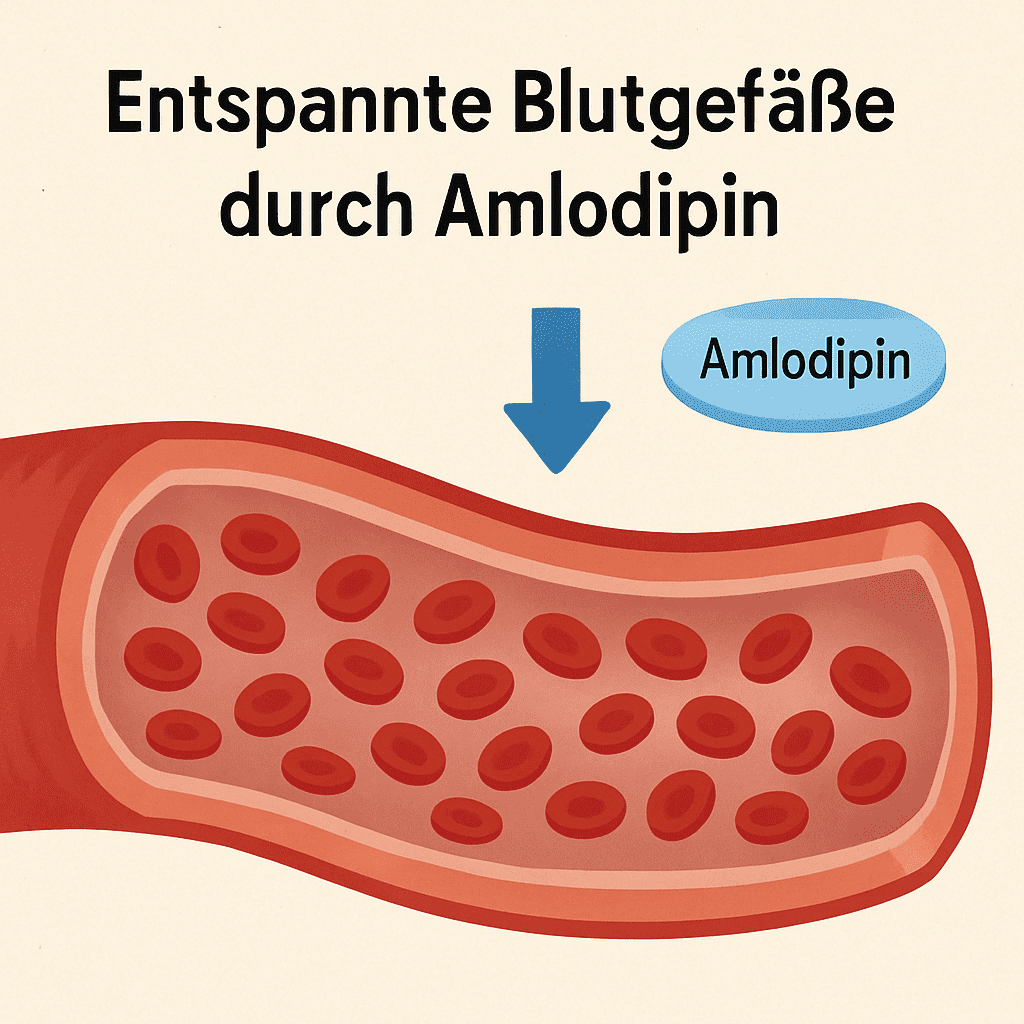
Amlodipine belongs to a class of drugs known as calcium channel blockers (or calcium antagonists). The Mechanism of action for relaxing arterial walls is fascinating and effective at the same time: The medication blocks the influx of calcium into the muscle cells of the blood vessels. Since calcium is needed for muscle contraction, this blockade causes the muscles in the vessel walls to relax. The blood vessels widen, blood can flow more easily, and blood pressure decreases.
Patients often ask themselves about the exact Difference between calcium channel blockers and ACE inhibitors. While amlodipine acts directly on the muscles of the blood vessels to widen them, ACE inhibitors intervene in a specific hormonal system (the renin-angiotensin system) that regulates blood pressure. Both approaches are highly effective, which is why doctors tailor the medication to the patient's individual profile or sometimes even combine both active ingredients.
The therapy is usually started at a low dose of 5 mg. If this does not sufficiently lower the blood pressure, the doctor can increase the dose to Amlodipine 10mg increase daily.
Applications: More than just lowering blood pressure
Amlodipine's primary use is to lower high blood pressure. However, the medication does more: it is also very successfully used for Treatment of the Symptoms of Chronic Stable Angina (Angina pectoris). By widening the blood vessels, the heart muscle is better supplied with oxygen-rich blood, which effectively prevents sudden chest pain and a feeling of tightness in the chest.
Proper intake in everyday life
The regularity of intake is key to therapeutic success. Many patients are unsure about best time of day for blood pressure medication since amlodipine is metabolized very slowly by the body and has a consistent, 24-hour effect, the exact time is of secondary importance. The only thing that matters is that you take your tablet Every day at the same time take it – whether in the morning for breakfast or in the evening before going to bed.
What to do if you forget a pill?
The Missing a daily dose of heart medication even the most diligent patients. If you realize you've missed a dose, take it as soon as you remember. However, if it's almost time for your next dose (less than 12 hours), skip the missed tablet and continue with your regular schedule. Never take double the amount to make up for a missed dose.
Amlodipine Side Effects: What You Should Know
Every effective medication can have side effects. If you are concerned about Amlodipine side effects inform, do you often come across typical side effects of calcium channel blockers. These include initial headaches, fatigue, a feeling of warmth or redness in the face (flush). These symptoms are usually mild and disappear on their own after a few weeks of acclimatization.
Practical tips for dealing with side effects
- Ankle edema A well-known side effect is water retention in the legs. But How to reduce medication-induced ankle swelling, is no secret: put your legs up as often as possible, wear light compression stockings if necessary, and pay attention to regular exercise such as walking to activate the muscle pump in your calves.
- Circulatory problems The Managing Dizziness When Standing Up (orthostatic hypotension) only requires a little patience. Don't jump out of bed abruptly in the morning. First, sit on the edge of the bed for a minute before standing up to allow your circulation to adjust.
Caution Pay attention Signs of severe reactions to blood pressure medications. If you suddenly experience severe difficulty breathing, an extreme tightness in your chest, or swelling of your face, lips, or throat, contact emergency medical services immediately. However, such allergic reactions are extremely rare.

Lifestyle, Diet, and Important Interactions
Amlodipine is a powerful tool, but it works best in conjunction with the right lifestyle. Additionally, certain interactions must be taken into account.
Nutrition and Beverages
The Interactions of grapefruit with cardiovascular medications are medically well-documented. Grapefruit juice contains substances that block the breakdown of amlodipine in the liver. This can lead to too much of the active ingredient accumulating in your blood and your blood pressure dropping dangerously low. For safety's sake, therefore, remove grapefruit from your diet.
Regarding the Alcohol and Blood Pressure Treatment Safety A glass of wine occasionally is usually harmless. However, excessive alcohol consumption can not only raise blood pressure itself, but can also lead to severe dizziness in combination with amlodipine. Therefore, enjoy alcohol only in moderation.
Lifestyle Modifications
Supplement your medical therapy with targeted Nutrition and Lifestyle Tips for Managing High Blood Pressure. The so-called DASH diet (lots of vegetables, whole grains, little animal fat) and a low-salt diet greatly support vascular health. Additional Natural ways to support cardiovascular health are
- Weight loss in overweight individuals
- Regular aerobic exercise (e.g., swimming, cycling, brisk walking)
- Active stress management through yoga or meditation
- Giving up nicotine
Long-term therapy and success monitoring
High blood pressure is a chronic condition. Therefore, many users wonder about the Long-term effects of daily hypertension treatment. The good news is: Amlodipine is excellent for long-term therapy. In the long run, it protects your blood vessels, relieves the heart muscle, and massively reduces the risk of serious subsequent conditions such as heart attacks, strokes, or kidney damage.
To ensure that your dose is adjusted to the optimal level, the Monitoring blood pressure response at home essential. How to measure correctly:
- Please sit quietly for 5 minutes before taking the measurement.
- Ideally, measure in the morning before taking medication and in the evening.
- Keep a blood pressure log. This will provide your doctor with valuable data for your next appointment.
Conclusion
Amlodipine is a safe, well-researched, and extremely effective medication for controlling high blood pressure and angina pectoris. If you pay attention to taking it regularly, keep potential interactions in mind, and support your therapy with a healthy lifestyle, you are making the best possible contribution to a long and heart-healthy life. Always speak with your doctor about any questions or new side effects – often, a small adjustment in dosage is enough to restore your well-being.
