
If you've been told your blood pressure is too high, it can feel like a silent alarm in your body. You likely feel perfectly healthy, which can make taking daily medication frustrating. However, medical research shows that the benefits of a lower systolic pressure are enormous, actively protecting your heart and kidneys from long-term wear and tear.
This is where Valsartan comes in. This medication acts like a relaxation signal for your circulatory system. Cardiologists classify it as belonging to a family of drugs called Angiotensin II Receptor Blockers (ARBs). Instead of allowing the body to significantly narrow blood vessels, an ARB keeps these pathways wide open, allowing the heart to pump with ease.
Valsartan is a crucial tool in conditions such as heart failure. The correct dosage and knowledge about interactions, such as with potassium in the diet, ensure safe and effective treatment in everyday life.
The garden hose trick: How valsartan relaxes blood vessels
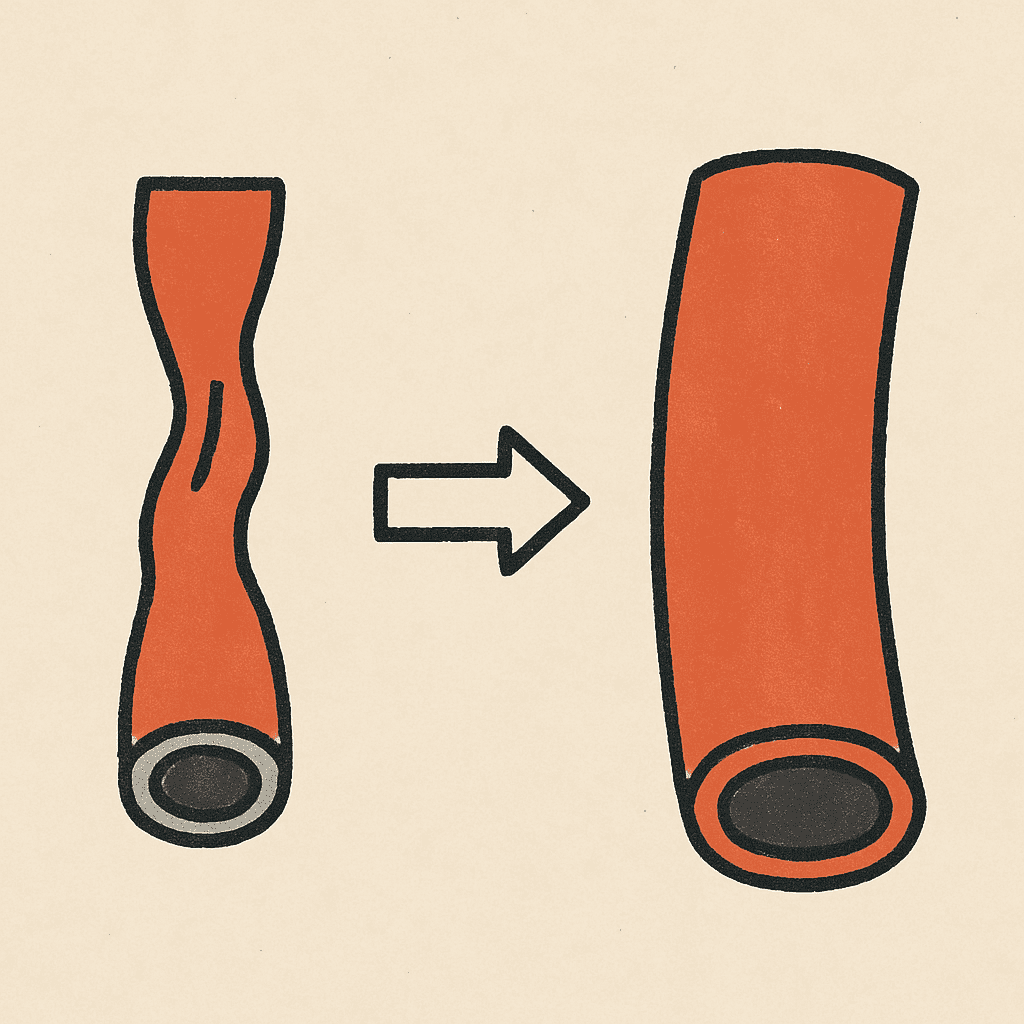
Imagine your blood vessels are like a simple garden hose. If you squeeze it in the middle, the pressure inside rises dramatically because the water has less space. The body naturally produces a substance called angiotensin II, which acts just like this pressure, constricting the arteries significantly. If this happens constantly, the heart has to work much harder to pump the same amount of fluid through the body.
To stop this dangerous narrowing, valsartan acts as a targeted blocker. Angiotensin II functions like a key, and the blood vessels like a lock. The mechanism of action of angiotensin II receptor blockers locks this lock so that the key cannot enter. By keeping this constricting messenger away, the tablet causes vasodilation – the widening and relaxation of blood vessels.
Smooth blood flow protects the entire cardiovascular system from long-term damage, as the heart no longer has to pump against high resistance. However, precise dosage and correct timing are crucial for optimal effect.
Why Valsartan 160? The Perfect Dose and Timing
The choice of Valsartan 160 is often based on a strategy called dose titration. This involves starting with a lower dose and gradually adjusting it. The 160-mg tablet is a common target dose that safely relaxes the blood vessels without overloading the system.
Unlike a fast-acting pain reliever, the average time for heart medication to take full effect, usually two to four weeks. The body needs this time to build up a steady, consistent level of the active ingredient in the blood. Physical changes are often not noticeable right away, but during follow-up exams, the Blood pressure readings measurably lower.
Because maintaining this constant level is so important, the tablet must be taken daily, not just during stressful situations. Missing doses causes the blood vessels to constrict severely again. This consistent, daily protection is especially important when the medication is intended to fulfill an even greater role, such as strengthening a weakened heart.
Strengthening a weakened heart: Valsartan and heart failure
In addition to simply lowering blood pressure, valsartan plays a crucial role in the medical treatment of congestive heart failure. When a heart is too weak to pump blood effectively, it struggles to push fluid through narrowed blood vessels. Since valsartan keeps the blood vessels wide open, this resistance is immediately reduced. An unkinked garden hose makes the pump’s job much easier—and that’s exactly how the heart’s overall efficiency is significantly improved.
The relief of this daily burden prevents the heart muscle from stretching and thickening over time – a harmful process that doctors refer to as cardiac remodeling indicate. As soon as the heart heals and the blood pumps more effectively, positive physical changes often become noticeable. The most common signs of improvement in heart failure include:
- Significantly easier breathing during everyday tasks like climbing stairs.
- Less swelling and fluid retention in the ankles and lower legs.
- More stable, consistent energy levels throughout the day.
To ensure this long-term cardiovascular protection, a change in treatment strategy is sometimes necessary—for example, switching from an ACE inhibitor to a sartan.
Sartans (ARBs) vs. ACE Inhibitors: Why Your Doctor Changed Your Prescription
Treatment often begins with an older medication such as lisinopril. This belongs to the class of ACE inhibitors, which are highly effective but have a well-known side effect: a persistent cough. The main difference between sartans and ACE inhibitors for high blood pressure lies in how the body reacts to the medication.
This dry cough arises because ACE inhibitors inhibit the breakdown of a natural messenger substance called bradykinin in the lungs. To fix this, doctors often switch to an angiotensin II receptor blocker like Valsartan. The comparison shows clear differences in tolerability:
- ACE inhibitors They effectively relax the blood vessels, but the buildup of bradykinin often causes a dry, hacking cough.
- Sartans (ARBs): They use a completely different mechanism to relax the exact same blood vessels, thereby bypassing the neurotransmitter that triggers the cough.
Switching medications therefore means you get the same strong heart protection without being bothered by a persistent cough. However, a newly adjusted, lower blood pressure level may initially cause mild dizziness, which requires a short adjustment period.
Staying Strong: Dealing with Common Side Effects and Dizziness
Starting a new medication requires a brief adjustment period for the body. Because valsartan relaxes blood vessels so effectively, a brief drop in blood pressure may occur when changing position. When researching Valsartan Side Effects It turns out that this slight dizziness is a completely normal reaction as the body adjusts to a healthier blood pressure.
To stay stable, the „slow stand-up technique“ is excellent for Dealing with Common Side Effects of Blood Pressure Medications. Just sit on the edge of the bed for a full minute before getting up, so that blood flow can naturally work against gravity.
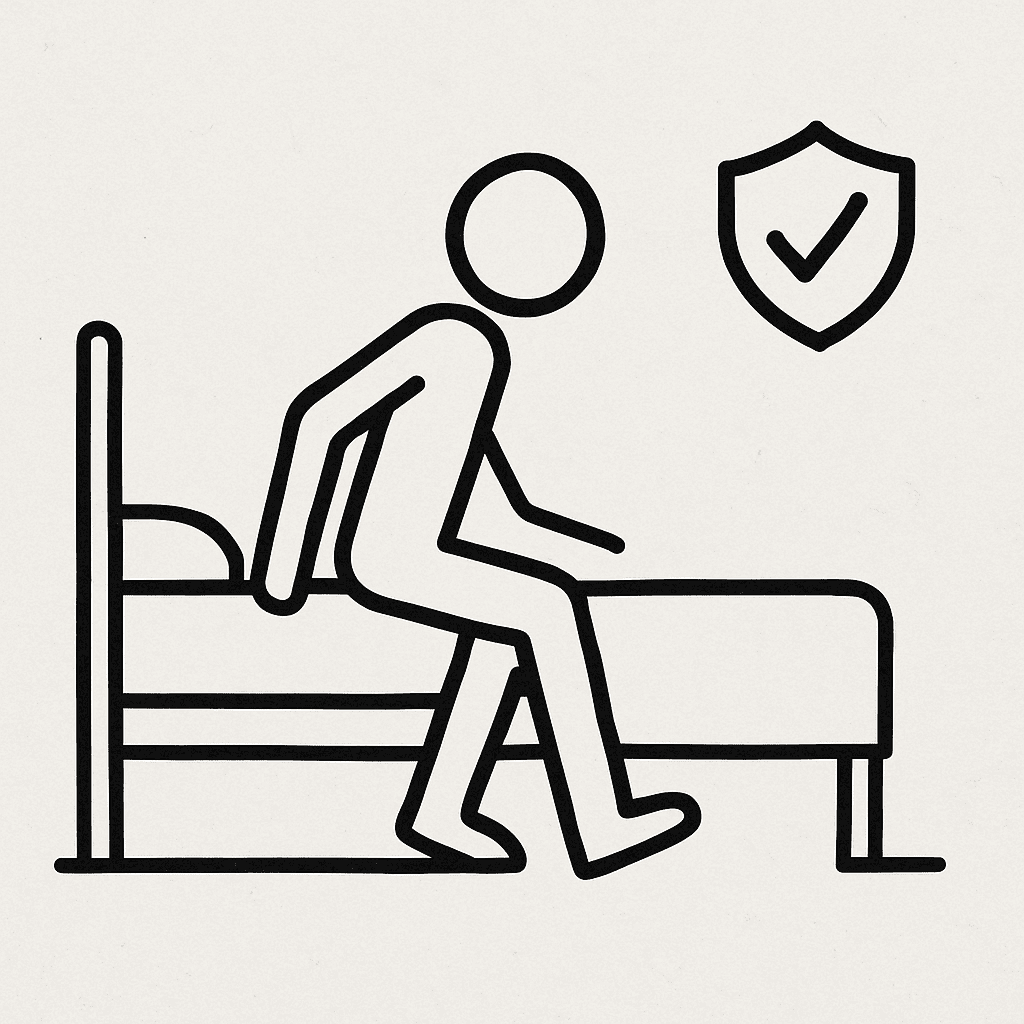
This simple precaution against dizziness turns a potentially uncomfortable moment into a safely managed everyday situation. While these feelings of dizziness usually subside within a week, you should see a doctor immediately if you experience actual fainting. Normal adjustments should not cause extreme weakness.
The Hidden Kidney Connection: Monitoring and Potassium Safety
Regular blood tests are very important with this therapy, even if you feel completely healthy. They are used to monitor kidney function during drug treatment. This usually involves checking creatinine, a standard waste product. Low levels confirm that the body's own filters are processing the medication without additional strain.
Another important value is serum potassium, which measures the amount of potassium in the bloodstream. Valsartan subtly alters how the kidneys process this particular mineral. While the medication effectively relaxes the blood vessels, it naturally causes the body to retain more potassium than usual.
This internal change requires more conscious food choices. People often buy well-intentioned „salt substitutes“ for heart health, but these products frequently replace sodium with high doses of potassium. The combination of these highly concentrated alternatives with prescribed medication explains why pharmacists strongly recommend avoiding such products.
To ensure optimal potassium levels, it is perfectly sufficient to avoid these substitute products and maintain a normal, balanced diet.
The Warning: NSAIDs and Understanding Product Recalls
When you have a headache, reaching for a pain reliever is almost a reflex. However, taking valsartan requires caution regarding potential interactions with nonsteroidal anti-inflammatory drugs (NSAIDs). These common medications constrict blood vessels, counteract the relaxing effect of the medication, and put a strain on the kidneys. A brief guide:
- Sure: Paracetamol is generally safe for occasional pain.
- Uncertain Ibuprofen and naproxen should be avoided without consulting a doctor.
Beyond the medicine cabinet, alarming headlines in the news can occasionally cause concern. For example, it was important to understand the background of nitrosamine impurities in generics when tiny traces of manufacturing chemicals were discovered in certain batches. The drug itself remains completely safe; it was merely impurities in the factories that were quickly rectified by regulators.
If this ever affects your own medication, knowing how to behave correctly during a drug recall will prevent unnecessary panic. Never stop taking your medication abruptly, as this can cause dangerous blood pressure spikes. Instead, contact your pharmacy immediately to get a clean replacement batch.
The solution for everyday life: What to do if you've missed a dose?
Everyone forgets a pill occasionally. The general rule for dealing with a missed dose of medication is to take it as soon as you remember, unless your next dose is almost due. Never take two pills at once, as a double dose can lower your blood pressure dangerously and cause dizziness.
Such slips are easiest to avoid by linking the medication to a habit that runs automatically anyway. This trick, known as habit stacking, helps build a reliable medication routine without having to rely solely on memory. Simply place the tube next to your morning coffee cup or toothbrush.
Consistency is the absolute key to the safety of long-term cardiovascular treatment, so that the blood vessels remain relaxed day after day.

The Big Picture: Living Well with Valsartan
Valsartan is far more than just a chemical name – it's a reliable partner for the heart. As an important component of long-term cardiovascular treatment, it keeps blood vessels open and relaxed. However, it shouldn't have to work alone. Simple lifestyle habits for reducing the risk of high blood pressure, such as reduced salt intake and daily walks, significantly ease the medication's job.
With knowledge of how this medication protects the body, you can proactively advocate for your health. Use this four-step checklist for your next doctor's visit:
- Check your current blood pressure readings.
- Ask if you need to watch your potassium intake.
- Go through all current vitamins and supplements.
- Confirm that your daily dose is still correct.
Taking medication daily is not just about correcting a number on paper. It's a continuous investment in your own health. By combining your daily pill with healthy habits, you effectively protect your heart and kidneys for a longer, healthier life.
