
Possible causes: Where is the pain coming from?
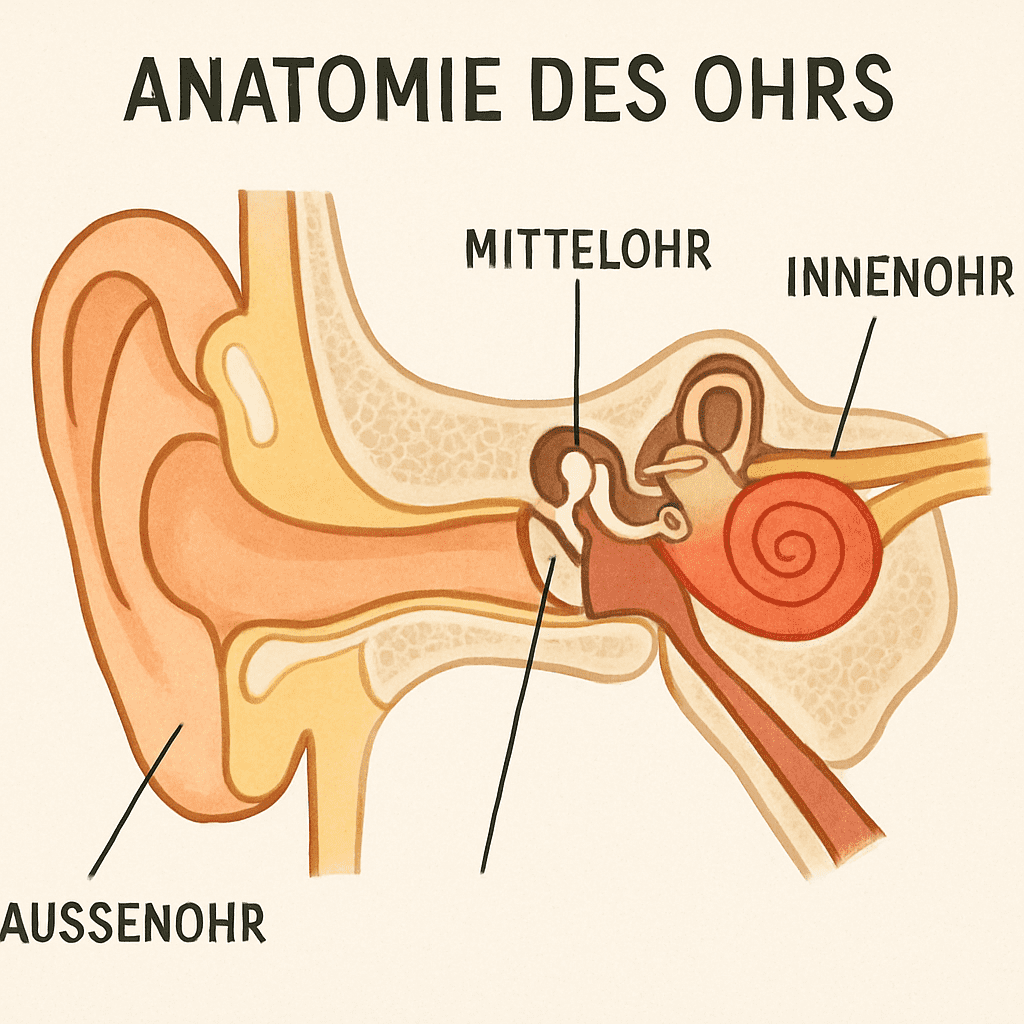
Um Ohrenschmerzen richtig behandeln zu können, muss man die Ursache kennen. Das Ohr gliedert sich in Außenohr, Mittelohr und Innenohr. Je nachdem, wo das Problem liegt, äußern sich die Beschwerden unterschiedlich.
External otitis (otitis externa)
Eine häufige Ursache ist eine External otitis. Sie entsteht oft durch kleine Verletzungen der Haut im Gehörgang – etwa durch Wattestäbchen – oder durch Feuchtigkeit. Besonders im Sommer sind Ohrenschmerzen nach dem Schwimmen verbreitet, auch als „Badeotitis“ bekannt. Chlor- oder Meerwasser weicht die Schutzschicht der Haut auf, wodurch Bakterien oder Pilze leichter eine Infektion auslösen können.
Middle ear infection (otitis media)
Mittelohrentzündungen betreffen vor allem Kinder, können aber auch bei Erwachsenen auftreten. Die Symptome sind oft pochende Schmerzen, Fieber, ein ausgeprägtes Krankheitsgefühl und Hörminderung. Häufig geht ein Schnupfen oder eine Erkältung voraus, bei der Bakterien über den Nasen-Rachen-Raum ins Mittelohr gelangen.
The direct comparison
Ein einfacher Test hilft bei der Unterscheidung: Zieht man sanft an der Ohrmuschel oder drückt auf den Knorpel vor dem Gehörgang (Tragus) und der Schmerz verschlimmert sich dabei, spricht das für eine Gehörgangsentzündung. Bei einer Mittelohrentzündung sitzt der Schmerz tief hinter dem Trommelfell; ein Ziehen an der Ohrmuschel verändert ihn in der Regel nicht.
Specific types of pain and what they mean
Die Art des Schmerzes, der Zeitpunkt des Auftretens und Begleiterscheinungen liefern wichtige Hinweise auf die Ursache.
Stabbing pain and difficulty swallowing
Stechende Ohrenschmerzen können durch einen akuten Infekt, einen Fremdkörper im Ohr oder – seltener – einen Trommelfellriss ausgelöst werden.
Schmerzen beim Schlucken haben ihren Ursprung oft nicht im Ohr selbst. Da Hals, Rachen und Ohr über Nervenbahnen eng verbunden sind, strahlen Schmerzen bei einer Mandel- oder Rachenentzündung häufig bis ins Ohr aus.
Jaw pain and tension
Manchmal ist das Ohr medizinisch unauffällig, und der Schmerz kommt vom Kiefergelenk. Nächtliches Zähneknirschen, Zahnfehlstellungen oder Nackenverspannungen können das Kiefergelenk belasten, das anatomisch direkt an den Gehörgang grenzt. Dieses Phänomen wird als Craniomandibuläre Dysfunktion (CMD) bezeichnet.
One-sided or two-sided?
Bei Erwachsenen treten Ohrenschmerzen meist einseitig auf, etwa bei einer lokalen Gehörgangsentzündung. Beidseitige Schmerzen deuten eher auf einen systemischen Infekt oder eine Grippe hin.

Ear pressure and accompanying symptoms
Ein dumpfes Druckgefühl im Ohr ohne eigentliche Schmerzen kann den Alltag ebenfalls beeinträchtigen.
Problems with the Eustachian tube
Dieses Druckgefühl entsteht meist durch eine Belüftungsstörung der Eustachischen Röhre (Ohrtrompete), die das Mittelohr mit dem Nasen-Rachen-Raum verbindet und den Druckausgleich regelt. Bei einer Erkältung schwillt die Schleimhaut an, die Röhre blockiert, und es entsteht ein Unterdruck im Mittelohr.
Oft helfen einfache Maßnahmen:
- Decongestant nasal sprays (do not use for longer than 7 days)
- Kaugummi kauen oder Gähnen
- Das Valsalva-Manöver: Nase zuhalten und sanft Luft in die Nase pressen, bis es im Ohr knackt
Warning signs: Dizziness and tinnitus
Kommen Schwindel oder Tinnitus hinzu, sollte man das ärztlich abklären lassen. Diese Symptome können darauf hinweisen, dass das Innenohr – mit Gleichgewichtsorgan und Gehörhaarzellen – betroffen ist. Mögliche Ursachen sind ein Hörsturz, eine fortgeschrittene Mittelohrentzündung oder das Menière-Syndrom.
What to do in an emergency? Relief and proven home remedies
Wenn die Ohren nachts plötzlich schmerzen und keine Apotheke geöffnet hat, gibt es einige Maßnahmen, um die Zeit bis zum Arztbesuch zu überbrücken.
Classic home remedies
Wärme kann bei vielen Ohrenbeschwerden lindernd wirken. Eine Rotlichtlampe, die im Abstand von etwa 30 bis 50 Zentimetern für 10 Minuten auf das betroffene Ohr gerichtet wird, fördert die Durchblutung.
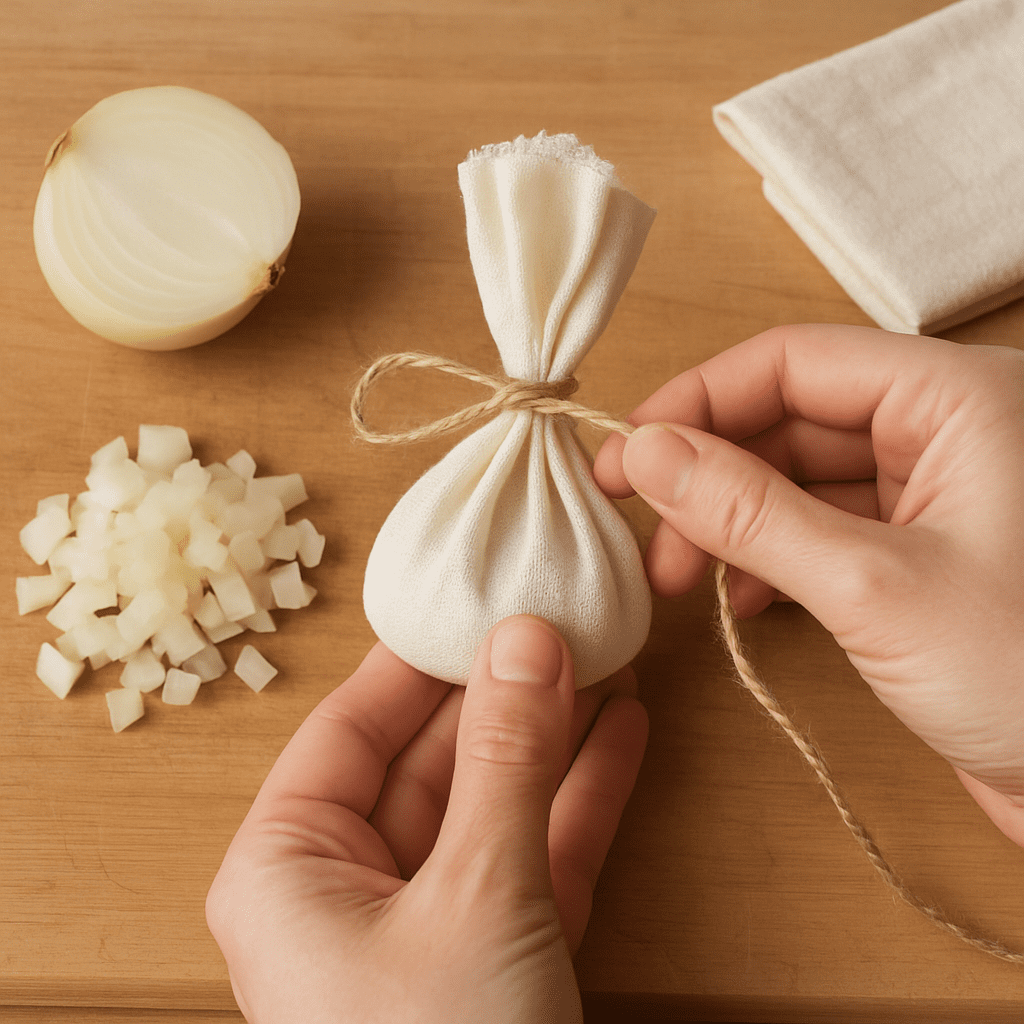
Bewährt hat sich auch das Zwiebelsäckchen: Die ätherischen Öle der Zwiebel wirken antientzündlich und antibakteriell. So wird es gemacht:
- Finely chop one medium onion.
- Die Würfel kurz in der Pfanne oder Mikrowelle leicht erwärmen (nicht kochen).
- Fill the warm onion pieces into a clean cotton cloth or sock and tie it shut.
- Das Säckchen für etwa 20 bis 30 Minuten auf das betroffene Ohr legen und bei Bedarf mit einem Stirnband fixieren.
Treating ear pain in children
Since the Eustachian tube in children is much shorter and more horizontal than in adults, they are significantly more prone to ear infections. If you Relieve ear pain in young children When it comes to colds, it's important to calm the child down first, as stress and crying can increase head pressure. In addition to the onion compress, it helps to slightly elevate the child's upper body in bed so that the mucous membranes can decongest better. Sufficient fluids and, if necessary (and in consultation with the pediatrician), an age-appropriate pain reliever like ibuprofen or paracetamol will ensure a restful night.
Medication and ear drops
The pharmacy has various over-the-counter preparations. Decongestant nasal drops are – as already mentioned – very effective for ventilating the ear from the inside.
Anyone who uses special ear drops must pay attention to the Proper use of ear drops Please note the following tips:
- Warm the bottle in your closed hand for a few minutes before use. Cold drops in the ear can lead to severe dizziness.
- Lie on your side so that the aching ear is facing up.
- Gently pull the earlobe back and up (for adults) or back and down (for children) to straighten the ear canal.
- Apply the drops and lie still for a few minutes.
- Important warning: Ear drops must never be used if there is suspicion that the eardrum may be injured (e.g., if fluid is draining from the ear), unless specifically prescribed by a doctor!
When should you seek medical advice?
Ear pain should never be taken lightly. However, When to see a doctor for an earache?
In general: In cases of severe, sudden pain, a prompt visit to an ENT (Ear, Nose, and Throat) doctor or your general practitioner is advisable. Seek medical help immediately and without delay in the following situations:
- If the pain does not improve after one to two days despite home remedies.
- With a high fever or a stiff neck.
- When fluid, pus, or blood drains from the ear (this indicates a ruptured eardrum).
- When sudden hearing loss or deafness occurs.
- In case of extreme swelling or redness behind the earlobe (suspected mastoiditis, a dangerous bone infection).
- When babies and very young children are affected by earaches.
The doctor can look deep into the ear canal with an otoscope, assess the eardrum, and accurately determine whether bacteria, viruses, a buildup of earwax, or an anatomical peculiarity is the cause. Often, targeted treatment with anti-inflammatory ointments, antibiotics (for bacterial infections), or a professional ear cleaning is enough to provide quick relief.

Conclusion: Take ear pain seriously and act correctly
Whether it’s an annoying feeling of pressure, a slight tugging sensation, or a throbbing pain, earaches are always a warning sign from the body. When earaches occur as a symptom, they indicate that there is irritation or inflammation somewhere between the jaw, throat, and inner ear.
By understanding the various causes—from swimmer’s ear to middle ear infections and jaw tension—you can better identify the source of your symptoms. Traditional home remedies like the tried-and-true onion poultice and the use of decongestant nasal sprays often provide excellent first aid. However, if symptoms are persistent, extremely painful, or accompanied by dizziness, this is no substitute for seeing a doctor. Listen to your body, take it easy, and give your ears the care and attention they need so you can soon enjoy your daily life again without discomfort.
