
The awakening of nature in spring, cuddling with a beloved pet, or simply sleeping in one's own bed – what means pure joy for most people is the beginning of an extremely exhausting time for others. Watery eyes, sneezing fits, a constant tickle in the throat, and a stuffy nose severely limit quality of life. In these cases, the diagnosis is often: allergic rhinitis.
This is far more than just a cosmetic or slightly annoying problem. Those who suffer from chronic allergic inflammation of the nasal lining lose efficiency, sleep poorly, and feel exhausted during the day. Fortunately, one is not helplessly at the mercy of this condition. With the right knowledge, targeted behavioral changes, and modern treatment options, the condition can be managed very well today.
In this comprehensive guide, you'll learn everything you need to know to breathe freely again – from accurate diagnosis and the sensible use of medications to practical tips for your everyday life.
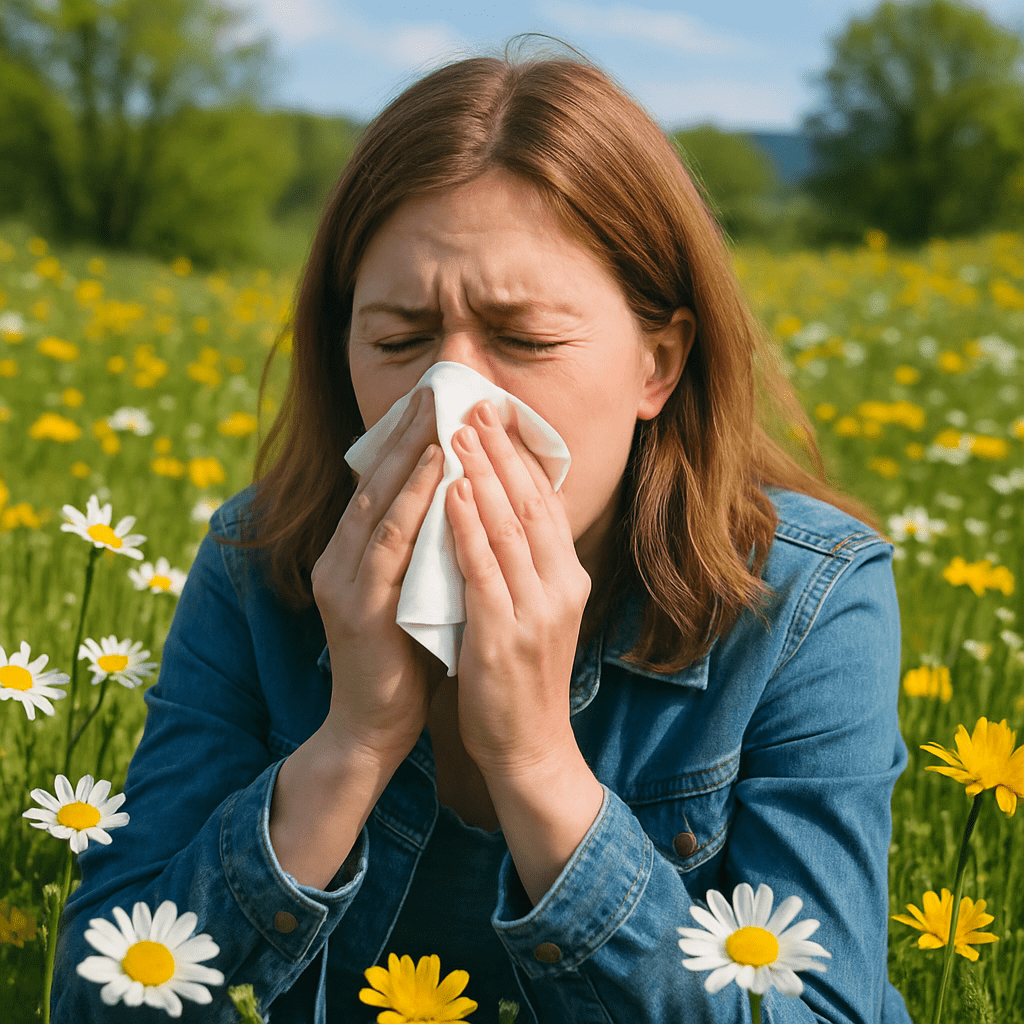
What exactly is allergic rhinitis?
Allergic rhinitis is an overreaction of the human immune system to substances in our environment that are actually completely harmless, known as allergens. When these allergens – such as pollen, house dust mite feces, animal dander, or mold spores – come into contact with the mucous membranes of the nose and eyes, the body sounds a false alarm.
The immune system produces antibodies (IgE) that bind to mast cells. Upon re-exposure to the allergen, these mast cells release large amounts of inflammation-promoting mediators, primarily histamine. Histamine is the main culprit behind the tormenting symptoms.
Among the classic Allergy Symptoms belong
- Frequent, convulsive sneezing (sneezing fits)
- A severe runny nose with watery, clear discharge (runny cold)
- A chronically stuffy nose due to swollen mucous membranes
- Itchy, burning, red, and watery eyes (allergic conjunctivitis)
- Itching in the nose, roof of the mouth, throat, and sometimes also in the ears
- Exhaustion, fatigue, and poor concentration
There are fundamentally two forms: The seasonal allergic rhinitis (classic hay fever), which only occurs at certain times of the year when specific pollen are airborne, and which perennial (perennial) rhinitis, which is usually caused by dust mites or mold.
Important Distinction: The Difference Between a Cold and Hay Fever
Especially during transitional seasons like spring and fall, when both pollen is in the air and cold viruses are circulating, it's often difficult to tell the difference. Are you sneezing because of birch pollen, or is a cold coming on? Difference between cold and hay fever can, however, be determined by several clear criteria:
- Occurrence and Duration: A cold builds up slowly over days and usually disappears again after one to two weeks. Hay fever occurs extremely suddenly as soon as you come into contact with the allergen and persists as long as the exposure lasts (often for months).
- Nature of Nasal Secretions: In the case of an allergy, mucus is almost always watery, thin, and clear. In contrast, with a progressing infection, the secretion often becomes thick, yellowish, or greenish.
- Accompanying symptoms Itchy, watery eyes are a clear sign of an allergy. On the other hand, body aches, fever, and a severe sore throat are definitely indicative of a viral infection.
- Sting attacks While people with a cold might sneeze occasionally, allergy sufferers often have veritable volleys of sneezes in succession.
The first step to relief: Medical diagnosis
To effectively combat your symptoms, you need to know your „enemy.“ A visit to an ENT doctor, allergist, or dermatologist is therefore essential.
The gold standard for identifying trigger substances is the skin prick test. Prick Test Procedure at the Dermatologist is a simple and quick procedure. First, the inside of your forearm is cleaned and marked with a pen. The doctor or medical assistant then applies various standardized allergen solutions (e.g., birch, grasses, dust mites, cat) to the skin.
Afterward, the skin is minimally and superficially pricked with a fine lancet („prick test“) at each droplet. This is hardly painful and feels more like a light scratch. After a waiting period of about 15 to 20 minutes, the result is read. If a red, itchy wheal forms at a spot (similar to a mosquito bite), it indicates sensitization to the respective allergen. Blood tests (RAST test) are often conducted additionally to detect specific IgE antibodies in the blood.

Allergen Avoidance: How to Avoid the Most Common Triggers
The most effective way to relieve allergy symptoms is to avoid the trigger (allergen avoidance). Depending on the diagnosed allergy, there are different and very effective strategies for this.
1. For pollen allergies (hay fever)
If you your Relieve hay fever symptoms want, timing is everything. Be sure to use a digital Pollen calendar for allergy sufferers. There are now excellent smartphone apps (e.g., from the German Weather Service or various foundations) that provide up-to-date, local pollen count information.
- Adjust ventilation behavior: In rural areas, most pollen is released in the early morning hours; in the city, concentrations are highest in the evening. Only ventilate your home during periods of low pollen levels or after a heavy rain shower.
- Block out pollen Install special pollen screens on the windows, especially in the bedroom.
- Wash hair Wash your hair in the evening before bed so you don't spread pollen on your pillow and inhale it during the night.
- Change clothes: Never take off worn street clothes in the bedroom.
2. For house dust mite allergy
The house dust mite loves it warm, humid, and dark. Therefore, the bedroom is its preferred habitat. The following House dust mite allergy bedding tips are crucial for a peaceful night's sleep:
- Use encasings Cover your mattress, pillows, and duvet with special mite-proof and allergen-proof encasings. Health insurance often covers the costs for these if an allergy is proven.
- Washing correctly: Wash your regular bedding weekly at at least 60 degrees Celsius to kill mites and wash out allergy-causing proteins.
- Optimize climate: Keep the bedroom cool (below 20 degrees) and dry (humidity below 50%). Air out the bed thoroughly in the morning with the covers off.
- Sanitizing stuffed animals: Stuffed animals belonging to children should be washable. If not, place them in the freezer for 24 hours to kill mites, and then gently wash them.
3. In case of pet dander allergy
Strictly speaking, you don't react to the animal's hair, but to proteins in their saliva, dander, or urine that stick to the hair.
- Bedroom is off-limits. Pets should generally not have access to the bedroom.
- Utilize technology: A high-quality Air purifier for pet dander allergy With a HEPA filter (High-Efficiency Particulate Air) of class H13 or H14, you can work wonders. It effectively filters out the fine allergenic particles that float invisibly in the room air for hours. Ideally, place the device in the rooms where you and the animal spend most of your time.
- Clean floors: Use vacuum cleaners with special HEPA filters for allergy sufferers, so that the vacuumed allergens are not blown back into the room.
4. Hidden Enemies in Your Own Home
Sometimes the complaints are there, even though no obvious triggers can be identified. Then it's important to find the hidden Finding allergens in the home to be able.
- Mold Check critical areas such as the bathroom, window seals, behind large cabinets on exterior walls, and in the basement. Mold spores are highly allergenic.
- Eliminate dust collectors: Open bookshelves, heavy curtains, thick carpets, and many decorative items are dust magnets. Reduce them or switch to smooth, easily wipeable surfaces.
- Houseplants Some houseplants (like Ficus benjamina) can release their own allergens, and potting soil often molds unnoticed. Hydroponic systems are often a better choice for allergy sufferers.

Help from the Pharmacy: Using Allergy Medication Correctly
If allergen avoidance is not enough or simply impossible in everyday life (who can stay indoors permanently in spring?), then Allergy medication (Antihistamines) are used. They are an important pillar of treatment to maintain quality of life and prevent complications.
Antihistamines: Quick Relief in Tablet Form
Antihistamines block the receptors that histamine in the body wants to bind to. This stops the allergic cascade. They usually work very quickly (often within an hour) and effectively relieve sneezing, itching, and runny nose.
A short Antihistamine Side Effects at a GlancePreviously (1st generation medications like dimetindene) these tablets made people extremely tired and severely impaired their ability to drive. Today, almost exclusively 2nd and 3rd generation active ingredients are used (e.g., cetirizine, loratadine, desloratadine, fexofenadine, levocetirizine). Here too, mild fatigue, headaches, or a dry mouth can occasionally occur as a side effect. Tip: It is best to take active ingredients such as cetirizine in the evening before going to bed. This way, you sleep through any potential fatigue and wake up largely symptom-free in the morning.
Nasal Sprays: Local Relief at the Site of Action
If the nose is severely blocked and tablets alone are no longer sufficient, topical nasal sprays are the treatment of choice. However, a strict distinction must be made here!
Decongestant nasal sprays (sympathomimetics): Active ingredients such as xylometazoline constrict blood vessels in the nose, clearing it within minutes. Caution You absolutely must here Avoid nasal spray addiction! Such sprays may be used for a maximum of 5 to 7 days at a time. If used for longer, a habituation effect (rebound effect) will occur. The mucous membrane will swell chronically as soon as the effect wears off („Privinismus“). One always needs more spray – a vicious cycle begins, which can permanently damage the mucous membrane. Therefore, they are not a permanent solution for allergy sufferers.
2. Cortisone-containing nasal sprays (glucocorticoids): You are the most effective form of treatment for moderate to severe allergic rhinitis. The Corticosteroid Nasal Sprays: How to Use however, it requires knowledge: cortisone does not work immediately, but builds up its anti-inflammatory effect over days. You must therefore use the spray regularly and preventatively (e.g., start it shortly before pollen season). The correct application technique is essential: Never spray directly onto the nasal septum (risk of nosebleeds). Hold the bottle with your right hand in your left nostril (and vice versa) and aim slightly outwards towards your ears. Only inhale lightly while spraying, do not sniff strongly, otherwise the active ingredient will end up in your throat instead of your nose. Since the active ingredient remains local, systemic side effects of the cortisone are hardly to be expected with correct dosage.
Root Cause Treatment: Specific Immunotherapy (SIT)
All the methods mentioned so far only alleviate the symptoms. The only way to effectively treat the cause of the allergy is desensitization. Through regular administration of the allergen, a tolerance is essentially trained into the immune system. The body learns again that pollen or mite droppings are not dangerous enemies.
The Hyposensitization: Procedure and Duration requires patience, but usually pays off. The treatment usually takes 3 to 5 years. There are two main methods:
- SCIT (Subcutaneous Immunotherapy) In this process, the doctor injects the allergen in increasing doses into the subcutaneous fat tissue of the upper arm. Initially weekly, later mostly only every four to six weeks. After the injection, you must remain in the practice for 30 minutes for observation.
- SLIT (Sublingual Immunotherapy): The allergens are administered by the patient at home daily as drops or a rapidly dissolving tablet placed under the tongue. This is particularly attractive for children or people with little time for doctor's visits.
Why is this lengthy therapy so important? In addition to dramatically improving quality of life, it primarily helps to Preventing allergic asthma to be able to. Without treatment, allergic rhinitis tends to undergo a so-called „floor change“ in about one in three patients. The inflammation migrates from the upper respiratory tract (nose) one floor lower into the lungs, leading to chronic allergic bronchial asthma. SIT significantly reduces this risk.

Naturally Breathe Deeply: Home Remedies and Everyday Routines
In addition to conventional medicine, there are proven, gentle methods that are extremely beneficial for irritated mucous membranes and excellently support drug therapy.
Are you looking for a Home remedies for a stuffy noseInhalation is a classic. A bowl of hot (not boiling!) water, a towel over your head, and take deep breaths. The hot steam moisturizes the dried-out mucous membranes and loosens stuck-on secretions. You can add some sea salt to the water. Be careful with essential oils like eucalyptus or menthol: These can lead to allergic reactions or asthmatic spasms in already irritated allergic airways. Saltwater is the safest choice.
An even more effective method for mechanically cleaning the nose is the nasal rinse. If you How to use a nasal rinse correctly, wash pollen, dust, mite allergens, and excess mucus effectively out of the nasal passages. Here’s how:
- Use lukewarm tap water.
- Dissolve a special, measured saline nasal rinse salt in it. It is absolutely necessary to use a isotonic Prepare a solution (the salt concentration must match that of human blood, approximately 0.91%). Pure water stings like hell and causes the mucous membranes to swell.
- Bend your head over the sink, tilt it to the side, open your mouth (so the water doesn't run down your throat), and let the water flow in through the upper nostril. It will flow out through the other nostril.
- An evening application (for hay fever) reliably washes away the day's allergens.
The pitfalls of nutrition: Beware of cross-allergies
Many allergy sufferers experience an unpleasant surprise when they eat seemingly healthy fruits or nuts: suddenly their mouths start itching, their lips swell, or their throats scratch. This phenomenon is called oral allergy syndrome or cross-allergy.
The reason for this lies in botany. The allergy-triggering proteins in some pollens are structurally extremely similar to the proteins in certain foods. The allergic person's immune system can no longer distinguish between them and reacts to the apple in the same way as to birch pollen.
A good overview is provided by Cross-Reactivity Food Chart. Here are the most common combinations summarized at a glance:
| Primary Allergy (Pollen) | Possible Food Cross-Reactions | | :— | :— | | Birch, alder, hazel (Early bloomers) | Apples, pears, cherries, peaches, plums, hazelnuts, walnuts, almonds, carrots, celery, soy | | Grasses, rye Tomatoes, peas, beans, lentils, peanuts, soy, grain flours Mugwort (Herbal Pollen) | Celery, carrots, fennel, chamomile, paprika, sunflower seeds, various spices (anise, coriander, cumin, pepper) | | Latex (No pollen, but common) | Bananas, avocados, kiwis, chestnuts, figs |
Everyday tip: Most heat-labile allergens in fruit (like in apples) are destroyed by cooking or baking. A raw apple causes itching, whereas applesauce or apple pie is usually tolerated without problems. There are also often significant differences between varieties – old apple varieties (like Boskoop or Santana) are often much better tolerated by allergy sufferers than new supermarket breeds (like Granny Smith or Gala).
Conclusion: Back to carefree quality of life
Allergic rhinitis is bothersome, but you don't have to put up with the symptoms. The secret to successful relief almost always lies in combining different measures.
Have the specialist precisely clarify which substances you are allergic to. Reduce your exposure to allergens in your immediate environment through smart ventilation, special bedding, and technical aids like air purifiers. Use modern and well-tolerated medications to control acute symptoms and stop inflammation of the nasal lining. Support your nose with soothing rituals like an evening nasal rinse. And above all: think long-term and consider immunotherapy not only to combat current symptoms but also to prevent serious secondary diseases like asthma.
With the right strategy, you can enjoy spring to the fullest again, sleep deeply and soundly, and finally breathe freely again!
