
Have you ever noticed your shoes feeling uncomfortably tight by evening, or your legs feeling unusually heavy? Medical professionals call this fluid buildup edema – a condition that causes uncomfortable swelling throughout the body.
Imagine your body is like a sponge that has absorbed way too much water. Furosemide acts as a diuretic—often called a water pill—which gently squeezes that sponge to direct excess fluid into your bladder.
In clinical practice, doctors rely on this treatment to eliminate this severe, waterlogged feeling. Taking it at the right time facilitates planning toilet visits, helps in recognizing normal side effects, and allows for a safe adjustment of the daily routine for a better quality of life.
The Magnet Effect: How Furosemide 20 mg Uses Salt to Flush Out Excess Fluid
The kidneys filter the blood. The mechanism of action of loop diuretics shows exactly how water pills help. Deep within the kidney is a U-shaped tube that processes salt. Taking furosemide 20 mg blocks salt reabsorption in this tube. Since water follows salt like iron filings follow a magnet, this unabsorbed salt draws the backed-up fluid directly into the bladder.
This „magnetic effect“ creates a clear difference between loop and thiazide diuretics:
- Location: Furosemide acts much deeper in the kidney tubules.
- Strength Loop diuretics remove significantly more fluid in a much shorter amount of time.
- Purpose: Thiazides gently lower blood pressure, while loop diuretics aggressively drain severe, uncomfortable swelling.
The rapid elimination of this excess fluid brings immediate physical relief to the heavy body. Due to this strong diuretic effect, the medication is an indispensable support in the treatment of severe fluid accumulation.
Treating Edema and Heart Failure: Why Furosemide is a Lifesaver for Swollen Legs
When the heart doesn't pump efficiently, the body absorbs too much water like a sponge. This physical buildup, known as fluid overload, causes the lungs and limbs to feel incredibly heavy. Doctors prioritize treating edema in heart failure because flushing out this dammed-up fluid immediately reduces the heart's daily workload and makes breathing significantly easier.
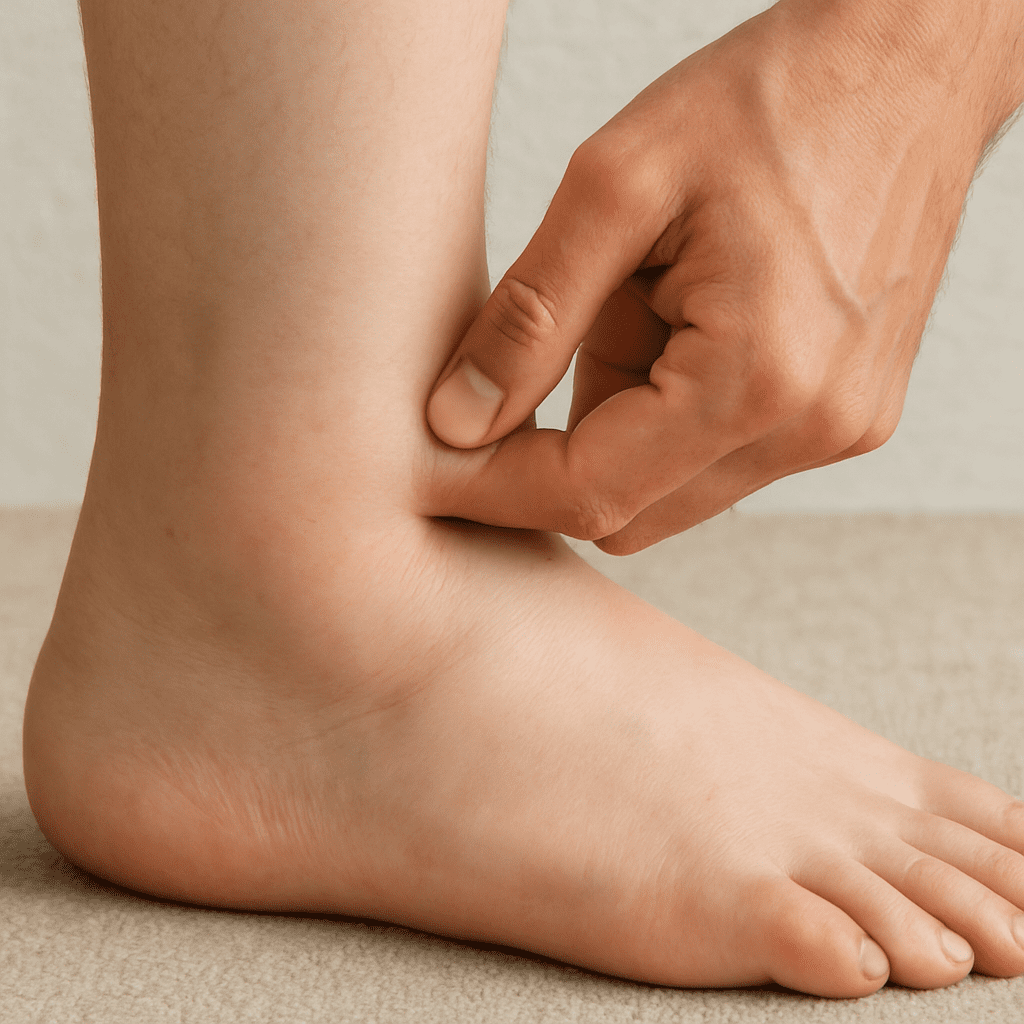
You can easily check your own progress at home. If you gently press your thumb into your ankle and a small indentation remains after releasing it, it's referred to as „pitting edema.“ To reduce swelling in the legs and ankles, observe how these temporary indentations disappear as the water pill eliminates excess fluid.
The loss of this extra water weight directly impacts blood pressure, as less fluid is forcefully pushing against the walls of blood vessels. However, since this draining process requires frequent bathroom trips, proper timing is crucial for an uninterrupted daily routine.
The Right Timing: Why Morning Doses Prevent Nighttime Bathroom Trips
The best time of day to take water pills is usually right after you wake up. Lasix works quickly, reaching its peak effect—and therefore the peak in urination—two to six hours after you swallow the pill.

Successfully managing everyday life requires strategy. The following tips will help with daily planning when taking diuretics:
- Taking it at 8:00 AM ensures the main effect wears off before dinner.
- When traveling, the tablet should be taken two hours before leaving home.
- Naps after 4:00 PM should be avoided to protect sleep.
The comparison between oral and intravenous administration is like the difference between a local train and an express train. Hospitals use infusions for immediate relief, while daily tablets are absorbed gradually. However, this rapid fluid loss also flushes out vital minerals, which is why maintaining electrolyte balance requires special attention.
Protecting the „inner batteries“: Why potassium and hydration are crucial
The body runs on microscopic „batteries“ powered by electrical minerals like potassium. Because water pills aggressively flush out fluid, they can accidentally wash away these vital minerals, causing an electrolyte imbalance called hypokalemia (potassium deficiency).
The rapid shift in fluids often triggers typical Furosemide side effects Early signs of dehydration from diuretic use include extreme thirst, dark urine, or sudden dizziness upon standing. To safely manage this fluid loss, routine blood tests to monitor kidney function during treatment are mandatory.
Always pay attention to physical reactions. The following signs of electrolyte imbalance should be reported to a doctor:
- Severe muscle cramps, especially in the calves.
- Unexplained weakness or severe fatigue.
- A fluttering or racing heartbeat.

Enjoying potassium-rich foods helps patients taking diuretics simply replace the minerals that are flushed out. Nevertheless, even the best diet is of little use if everyday habits unknowingly block the medication's effect.
The Hidden Adversaries: How NSAIDs and Salt Block Medication Effects
Everyday painkillers can secretly work against prescribed medication, even with perfect potassium levels. Taking common painkillers leads to an interaction with nonsteroidal anti-inflammatory drugs (NSAIDs), which constrict the blood vessels in the kidneys. This tightening prevents the medication from reaching the internal filters, causing uncomfortable fluid to become trapped in the body.
Your own dinner plate harbors another adversary and underscores why doctors place such importance on dietary restrictions when taking water pills. Water follows salt like metal follows a magnet. Highly salted meals throw additional magnets into the system, pulling water back into the tissues faster than the medication can remove it.
Avoiding these everyday pitfalls ensures the best possible long-term effect of fluid-reducing medications. Those who refrain from high-sodium foods and check the labels of painkillers enable the kidneys to easily flush away severe swelling. The success of this strategy can be checked through a simple daily routine.
The Path to Better Fluid Balance: Daily Weight Checks and Warning Signs
Knowledge about water pills is now sufficient to actively improve one's quality of life. The best tool for this is the personal scale. The „scale method“ of daily weight checks in the morning helps to ensure stable weight and maintain mobility. This routine builds confidence and enables proactive management of potential fluid fluctuations.
While increased bathroom trips are expected, be aware of emergency symptoms of fluid overload. Contact a doctor immediately if the following occurs:
- A sudden weight gain of one kilogram (two pounds) or more overnight.
- New shortness of breath, especially when lying flat.
- Extreme dizziness or severe muscle cramps.
